




Journal
| Title | Date | Excerpt |
|---|---|---|
| Functional Near-Infrared Spectroscopy in Neuropsychology | Since the pioneering work of Jobsis and colleagues, near-infrared light has been used to track cortical oxygenation, and modern functional Near-Infrared… | |
| Cognitive Training in Schizophrenia: Effectiveness and Transfer | People with schizophrenia often experience cognitive difficulties that disrupt daily life more than positive symptoms. Problems with working memory, processing… | |
| Bilingualism and cognitive resilience in the aging brain | Across neighbourhoods from Parramatta to Footscray, households shift between languages mid-sentence. This everyday multilingualism has long been treated as a… | |
| The insula, interoception and emotion regulation in practice | The insula is a key brain region for interpreting internal bodily signals and connecting them with feelings, attention and action. Its contribution to… | |
| Supporting cognitive decline in Down syndrome: assessment and care | Cognitive decline in Down syndrome is increasingly recognised as a major health priority, particularly because adults with the condition face a substantially… | |
| Neuropsychological drivers of epilepsy medication adherence | Staying on track with antiseizure medication is one of the most persistent challenges in chronic neurological care. Forgetfulness, complex regimens, side… | |
| Scent as a Signal: Olfactory Assessment in Neurodegeneration | Smell is often described as the most evocative sense, yet clinically it remains one of the most under-examined. In neurodegenerative conditions ranging from… | |
| Executive function training in older adults: a meta-analytic view | Across retirement communities around Australia, group classes promising sharper memory have multiplied. Behind that commercial enthusiasm sits a more cautious… | |
| Cognitive Effects of Repetitive Mild Traumatic Brain Injury in Athletes | Repetitive mild traumatic brain injury, often discussed alongside concussion, can affect attention, memory, processing speed, mood and executive function. A… | |
| Processing Speed In HIV-Associated Neurocognitive Disorders | Processing speed is often the first cognitive function to change in people living with HIV-associated neurocognitive disorders (HAND). A person may remember… |
General Information
Important information about the meetingIndustry
Support and exhibition opportunitiesCzech Republic
Beautiful country situated in the very heart of EuropeContact
How can we help you?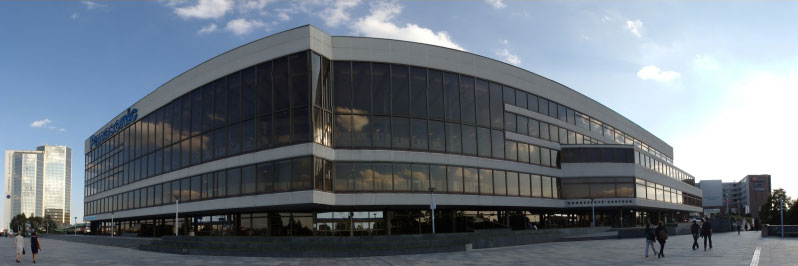
Prague Congress Centre (KCP)
5.května 65140 21 Prague 4
Czech Republic
Phone: +420 261 171 111
Website: www.kcp.cz