



Journal
| Title | Date | Excerpt |
|---|---|---|
| Cognitive flexibility and creativity in healthy older adults | Healthy ageing is not a uniform decline. Many older adults retain broad knowledge, vocabulary, social judgement and the capacity to invent, while speed,… | |
| Neuropsychological effects of migraine and headache disorders | Migraine and other headache disorders can affect cognition as well as cause pain. During an attack, many people report slowed thinking, poor concentration,… | |
| Teleneuropsychology for Rural and Underserved Communities | Teleneuropsychology uses secure video, digital assessment tools and remote clinical supervision to extend neuropsychological care beyond major hospitals. For… | |
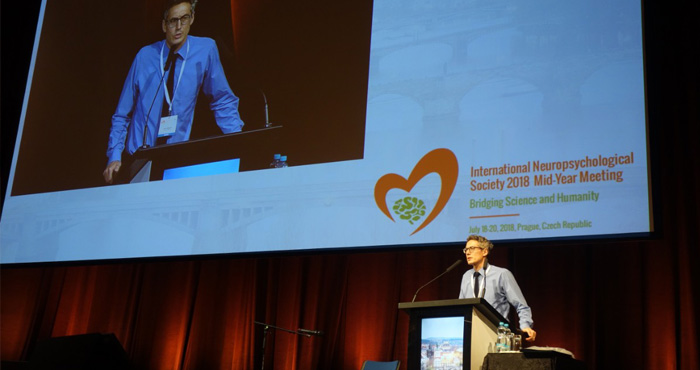
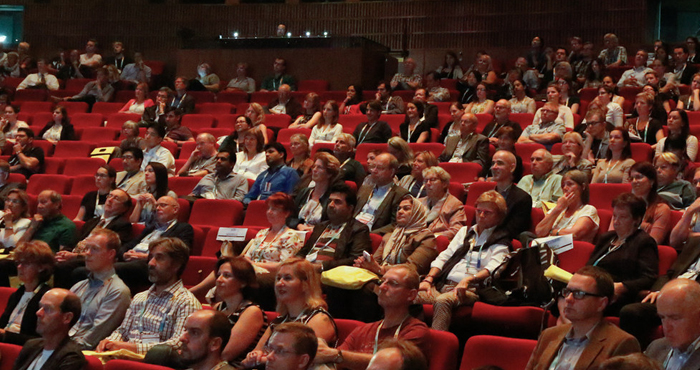
| Processing speed and social functioning in psychosis | INS 2018, the International Neuropsychological Society’s mid-year meeting, was held in Prague, Czech Republic, from 18–20 July 2018. It joined neuroscience,… | |
| Cognitive outcomes in children with hydrocephalus and shunt treatment | At the INS 2018 mid-year meeting in Prague, held from 18 to 20 July 2018, clinicians and researchers examined how neuroscience can support humane care. The… | |
| Assessing Metacognition After Traumatic Brain Injury | Metacognition is the capacity to notice, understand and regulate one’s own thinking. After traumatic brain injury, a person may struggle to recognise memory… | |
| Neuroprotective effects of exercise on cognitive aging | Regular physical activity is increasingly recognised as a practical way to support brain health across later life. Aerobic movement, strength training, balance… | |
| Integrating Neuropsychological Feedback Into Patient and Family Counselling | Neuropsychological assessment can give patients and relatives a clearer picture of memory, attention, language, emotional regulation and executive functioning.… | |
| What patients should know about ECT and memory | Electroconvulsive therapy (ECT) can be a highly effective treatment for severe depression, catatonia, bipolar disorder and some psychotic illnesses. It is… | |
| Measuring emotional recognition in frontotemporal dementia | Frontotemporal dementia (FTD) can alter how a person reads faces, voices and social situations, even when memory appears relatively preserved. Emotional… |
General Information
Important information about the meetingIndustry
Support and exhibition opportunitiesCzech Republic
Beautiful country situated in the very heart of EuropeContact
How can we help you?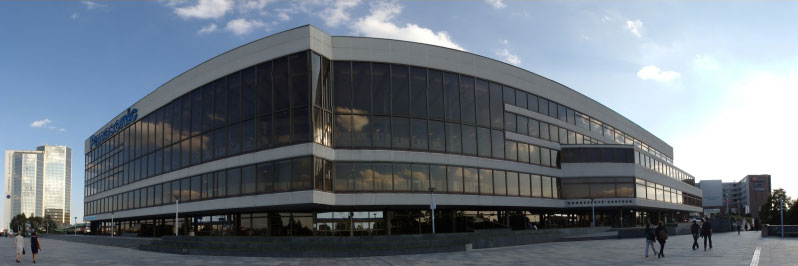
Prague Congress Centre (KCP)
5.května 65140 21 Prague 4
Czech Republic
Phone: +420 261 171 111
Website: www.kcp.cz