


Long-term cognitive outcomes in childhood epilepsy
Cognitive trajectories in childhood epilepsy syndromes are best understood as developmental pathways rather than fixed predictions. Seizure frequency, developmental timing, treatment, sleep, education and family environment can interact, producing uneven progress in memory, language, attention and executive skills. Learn more about 静的ストレッチングが筋腱ユニットに及ぼす即時効果.
Recognising these interactions is essential because a single low assessment score may reflect fatigue, medication effects or an acute seizure rather than stable decline. Repeated, age-appropriate evaluation helps clinicians distinguish temporary difficulties from enduring impairment and shape support throughout childhood and adolescence.
Cognitive patterns differ across syndromes
Cognitive profiles vary substantially among childhood epilepsy syndromes. Dravet syndrome and Lennox–Gastaut syndrome commonly involve global developmental impairment, although attention, communication and behavioural strengths can fluctuate considerably over time.
Infantile spasms are associated with particular risks when diagnosis and treatment are delayed. In these conditions, prolonged seizure activity and epileptic encephalopathy may affect developing networks, so early control is closely linked to opportunities for developmental progress.
Focal epilepsy syndromes often show a narrower pattern, such as verbal or visual memory difficulty, but outcomes remain individual. Some children stabilise, some show a stepwise change following seizures or surgery, and others experience increasing difficulty as academic and social demands grow.
Treatment can alter the developmental course
Antiseizure medication is the usual starting point, but selecting a regimen requires balancing seizure control, cognition, behaviour, growth and family preferences. In suitable cases, ketogenic therapy, epilepsy surgery or neurostimulation may reduce seizures enough to support learning and daily functioning.
Assessment should not rely only on an overall cognitive score. Neuropsychological testing can map processing speed, learning, recall, language, executive function and social cognition, while school reports and caregiver observations reveal changes in everyday settings. Serial testing at meaningful developmental intervals is more informative than isolated comparisons.
Movement, sleep and medication routines also matter. Physiotherapists should separate flexibility goals from neurological recovery goals; evidence on immediate stretching effects can inform the former, although it does not show that stretching improves cognition in epilepsy.
Australian pathways shape access to care
Australian care combines public hospitals, private neurology and Medicare rebates, while many antiseizure medicines receive support through the Pharmaceutical Benefits Scheme. Access remains uneven because complex epilepsy services are concentrated around Sydney, Melbourne, Brisbane, Perth and Adelaide, often leaving families elsewhere with longer waits.
For children in regional, rural and remote areas, telehealth and shared care can reduce travel, but access to age-appropriate psychologists and neurologists remains inconsistent. Aboriginal and Torres Strait Islander children benefit when assessment is coordinated with local Aboriginal health services, family-approved supports and, where needed, appropriate interpreters.
State and territory road rules set different seizure-related conditions for learning licences and driving, making timely neurological advice important for adolescents. School learning plans, education services and disability funding can complement medical treatment by supporting classroom access and developmental progress.
Family, school and transition matter
Daily habits can expose or magnify cognitive strain: fragmented sleep, missed medication, long commutes to appointments and difficulty sustaining attention during lessons or after-school sport. Consistent routines and communication with teachers can reduce avoidable disruption without treating every symptom as a direct consequence of seizures.
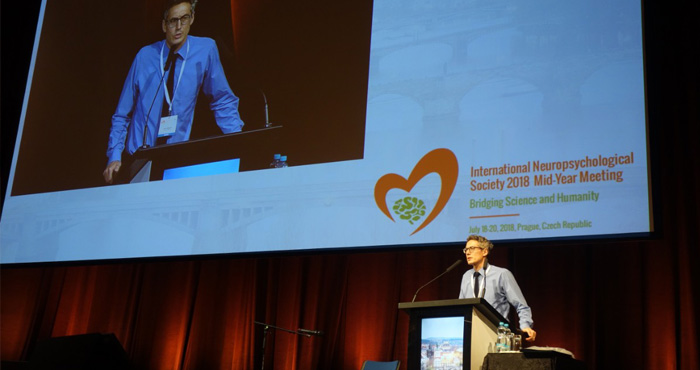
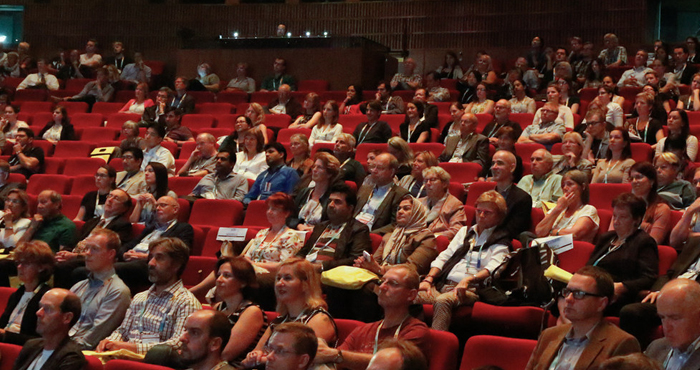
International collaboration helps translate longitudinal data into better care. At the INS 2018 meeting in Prague on 18–20 July, researchers and clinicians compared assessment methods and patient-centred outcomes. For delegates staying nearby, the Hotel Holiday Inn page offered practical accommodation information around the meeting venue.
Planning for change rather than a single prognosis
Prognosis should be revisited as the child grows because cognitive demands change faster than test scores alone suggest. Seizure control, age at onset, MRI findings, medication burden, psychosocial wellbeing and access to education all deserve separate attention rather than being collapsed into one risk estimate.
A comparison framework can keep discussions precise while preserving uncertainty. The following profiles describe common patterns rather than rules for an individual child and should be reconciled with serial assessment, school evidence and family priorities.
| Childhood syndrome | Common cognitive pattern | Factors affecting the course | Long-term priorities |
|---|---|---|---|
| Dravet syndrome | Global developmental impairment with fluctuating attention, language, memory and social communication | Early onset, prolonged seizures, medication effects, sleep disruption and behavioural difficulties | Seizure and sleep management, communication support, adaptive education and family respite |
| Lennox–Gastaut syndrome | Global impairment with prominent attention, memory, language and executive difficulties | Multiple seizure types, abnormal interictal activity, medication burden and limited sleep | Stable routines, behavioural support, accessible learning and communication strategies |
| Infantile spasms, or West syndrome | Increased risk of global delay, particularly in language and memory, with widely variable outcomes | Delayed treatment, spasm burden, brain injury and ongoing seizures | Prompt seizure control, repeated developmental assessment and targeted language intervention |
| Focal epilepsy syndromes | Domain-specific difficulties in language, memory, attention or executive function, with variable overall trajectories | Seizure focus and frequency, surgery, medication effects, schooling and psychosocial context | Targeted neuropsychological rehabilitation, educational adjustments and longitudinal monitoring |
General Information
Important information about the meetingIndustry
Support and exhibition opportunitiesCzech Republic
Beautiful country situated in the very heart of EuropeContact
How can we help you?
Prague Congress Centre (KCP)
5.května 65140 21 Prague 4
Czech Republic
Phone: +420 261 171 111
Website: www.kcp.cz