





Journal
| Title | Date | Excerpt |
|---|---|---|
| Compensation Strategies That Fit Into Daily Routines | Memory slips are part of normal cognition, and most Australians reach for a practical workaround long before considering clinical advice. Whether the goal is… | |
| Pupillometry as a Window into Cognitive Effort During Memory Testing | When clinicians ask patients to remember word lists or stories, the responses reveal only the final outcome: what was recalled or forgotten. Yet between… | |
| When Listening Fades: Cognitive Aging Meets Hearing Loss | For many older Australians, the world gradually becomes harder to hear. Conversations in noisy cafés along Sydney's harbour or announcements at Brisbane train… | |
| Insomnia and executive function in clinical practice | Insomnia is more than difficulty falling asleep. Repeated night waking, early morning awakening and unrefreshing sleep can weaken attention, working memory,… | |
| Music therapy and cognition in dementia: a critical look | Dementia affects almost 500,000 Australians, a figure projected to more than double by 2058 according to the Australian Institute of Health and Welfare.… | |
| Assessing apathy in neurodegenerative disease | Apathy is a common yet frequently underestimated feature of Parkinson’s disease, Alzheimer’s disease, frontotemporal dementia, progressive supranuclear palsy… | |
| Patterns of vascular cognitive impairment after subcortical stroke | Vascular cognitive impairment following a subcortical stroke is increasingly recognised as a distinct clinical entity. Unlike cortical infarcts, small deep… | |
| Neuropsychology of Chronic Pain: Assessment and Intervention | Chronic pain changes far more than sensory experience. Persistent headaches, spinal pain, neuropathic symptoms and widespread musculoskeletal pain can disrupt… | |
| Culture, context and the lived experience of ADHD | Attention-deficit/hyperactivity disorder is diagnosed through patterns of inattention, impulsivity and hyperactivity, yet those patterns never appear in a… | |
| Pediatric autoimmune encephalitis and the road back to learning | Pediatric autoimmune encephalitis is an inflammatory brain disorder in which the immune system disrupts neural function. Children may develop seizures,… |
General Information
Important information about the meetingIndustry
Support and exhibition opportunitiesCzech Republic
Beautiful country situated in the very heart of EuropeContact
How can we help you?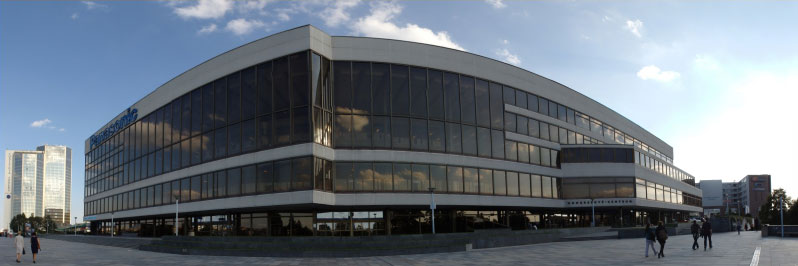
Prague Congress Centre (KCP)
5.května 65140 21 Prague 4
Czech Republic
Phone: +420 261 171 111
Website: www.kcp.cz