



Cognitive rehabilitation for multiple sclerosis
Multiple sclerosis (MS) can affect attention, processing speed, memory, executive function and verbal fluency, even when physical symptoms appear stable. Cognitive rehabilitation addresses these changes through structured assessment, practical strategies and repeated practice that connect directly with work, study, relationships and independent living.
The evidence base has developed from small, carefully designed trials into a broader clinical approach. Computerised training, compensatory techniques, education, fatigue management and psychological support may all have a place, provided treatment is matched to the person’s impairment, goals and daily environment.
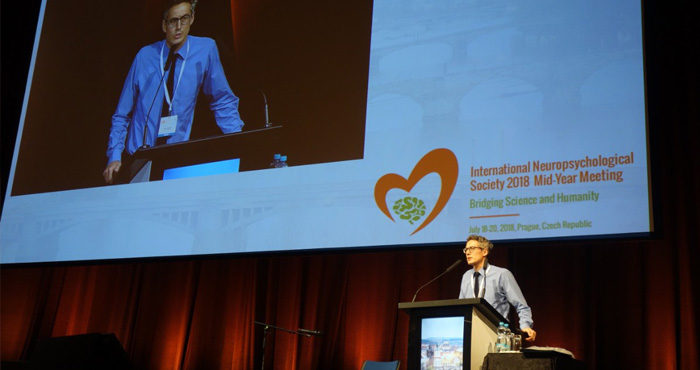
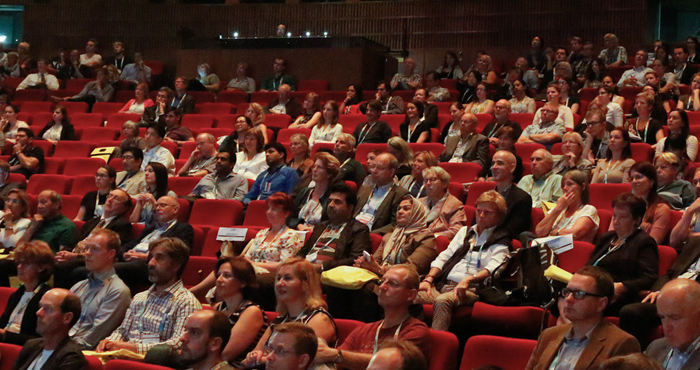
The 2018 International Neuropsychological Society mid-year meeting in Prague placed this work within a wider conversation about neuroscience, culture and humane patient care. Its programme, workshops and poster discussions remain useful reminders that effective rehabilitation requires scientific discipline alongside careful listening.
What assessment should establish
A neuropsychological assessment should distinguish cognitive impairment from factors that can temporarily reduce performance. Fatigue, depression, anxiety, sleep disruption, pain, medication effects and heat sensitivity can all influence results. In Australia, a person travelling to a clinic in Sydney or Melbourne may also be coping with long commutes, shift work or substantial distances between regional services.
Assessment commonly examines processing speed, sustained and divided attention, learning and recall, language, visuospatial skills and executive functioning. Standardised tests are valuable, but interviews and functional observation reveal whether missed appointments, unfinished paperwork or difficulty following a recipe are the issues that matter most. Goals should be written in everyday terms and reviewed at regular intervals.
Training and compensatory strategies
Restorative approaches use repeated cognitive exercises to strengthen specific skills, such as working memory or attention. Compensatory rehabilitation teaches methods that reduce the impact of impairment: calendars, smartphone alerts, written routines, environmental labels, chunking information and completing one task before starting another. The strongest clinical rationale usually comes from combining these methods with education about fatigue and self-monitoring.
Digital programmes can make practice more accessible, particularly for people outside major cities. However, access to reliable internet, confidence with technology and the quality of therapist feedback vary across the local market. A clinician should track whether gains transfer to real activities rather than assuming improvement on an app represents meaningful functional change.
Culture, identity and meaningful goals
Cognitive rehabilitation works best when examples and strategies reflect a person’s language, family structure, work demands and cultural identity. A bilingual Australian may perform differently across languages, while an older person from a migrant community may prefer family-supported sessions or printed materials. Cultural humility also means checking whether a reported memory problem reflects communication style, unfamiliar testing conventions or genuine neurological change. Resources exploring Greek cultural context can help clinicians approach community perspectives with curiosity, although individual preferences must guide care.
The patient’s goals may include returning to a professional role in Brisbane, managing children’s school schedules in Perth or participating in community life in Adelaide. Therapists can rehearse these tasks, measure performance and adapt the plan as MS fluctuates. A graded return to work may involve shorter sessions, written instructions, quieter workspaces and scheduled recovery periods rather than an unrealistic demand to maintain previous output immediately.
Fatigue, heat and everyday access
Heat can intensify MS symptoms, a particularly relevant consideration during Australian summers. Planning demanding activities for cooler parts of the day, using air conditioning, taking planned rests and recognising early cognitive fatigue can preserve attention. These strategies should be integrated with sleep advice, physical activity and medical management rather than presented as a substitute for neurological care.
Service delivery must account for geography and cost. Someone in rural Queensland may rely on telehealth, while a person in Canberra may combine hospital appointments with community rehabilitation. Medicare arrangements, private health cover and out-of-pocket fees can shape how often therapy is practical. Under the National Disability Insurance Scheme, eligibility and plan goals may affect access to supports, so clinicians should document functional needs clearly without promising funding outcomes.
Measuring outcomes and coordinating care
Outcome measures should include cognitive scores, patient-reported fatigue, confidence and performance in chosen activities. A useful review might ask whether the person can remember medication instructions, complete an online form or sustain a conversation in a noisy café. Family or support workers can provide valuable observations, with consent, while the person with MS remains central to decisions.
The Prague meeting venue and its emphasis on shared professional learning reflect the value of multidisciplinary practice; details about the conference venue show the setting in which neuropsychologists, researchers and clinicians exchanged ideas. Neurologists, occupational therapists, speech pathologists, psychologists, nurses and rehabilitation physicians should communicate goals and avoid duplicating exercises. Practical guidance on transport and access, such as the information provided for getting around Prague, also illustrates a wider principle: rehabilitation should prepare people for the real cognitive demands of navigating their communities.
General Information
Important information about the meetingIndustry
Support and exhibition opportunitiesCzech Republic
Beautiful country situated in the very heart of EuropeContact
How can we help you?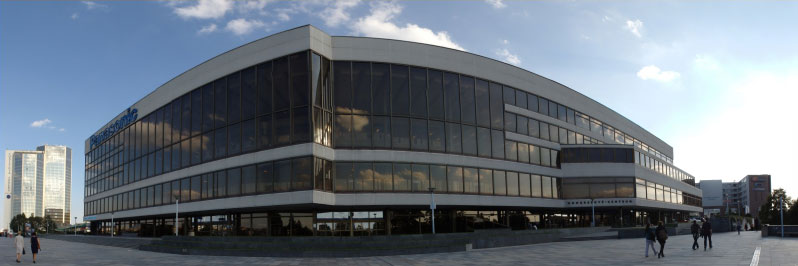
Prague Congress Centre (KCP)
5.května 65140 21 Prague 4
Czech Republic
Phone: +420 261 171 111
Website: www.kcp.cz