



Episodic future thinking in neurological populations
Episodic future thinking is the ability to imagine oneself experiencing a specific event at a particular point in the future. It draws on autobiographical memory, prospective memory, language, emotion and executive control. For people with neurological conditions, this capacity can influence rehabilitation, treatment adherence, decision-making and everyday independence.
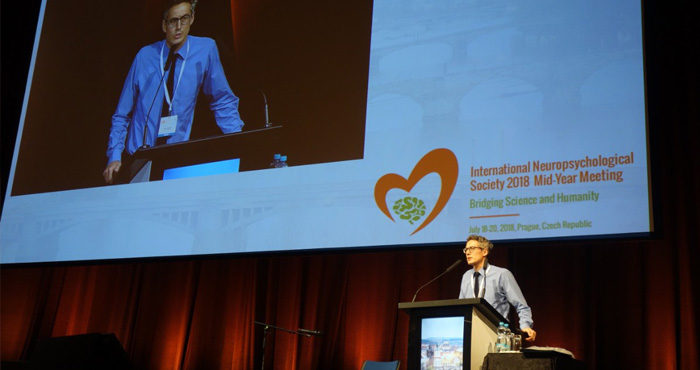
The subject was highly relevant to the scientific and clinical exchange associated with the INS 2018 meeting in Prague. Its emphasis on linking neuroscience with humane patient care provides a useful framework for considering how future-oriented cognition can be assessed across cultures, health systems and stages of recovery.
What the ability involves
When a person imagines attending a family gathering next Saturday or returning to work after a stroke, they combine personal memories with details about place, people, sensations and likely emotions. This differs from simply knowing that an event will occur. The imagined episode needs a personal viewpoint and enough detail to guide behaviour.
Episodic future thinking overlaps with autobiographical recollection, prospective memory and mental time travel, yet the processes are not identical. Someone may remember how they usually take medication but still struggle to picture taking it tomorrow morning. Clinicians therefore examine both the richness of imagined events and whether the person can use those images to organise action.
Neurological conditions and altered foresight
Damage to the frontal systems, hippocampus or broader memory networks may reduce the ability to generate specific future scenarios. This can occur after traumatic brain injury, stroke, epilepsy, multiple sclerosis or neurodegenerative disease. People may produce vague statements such as “I will do something with friends” rather than a distinct, time-bound event.
Parkinson’s disease and acquired brain injury can also affect motivation, initiation and emotional prediction. A patient might understand a rehabilitation goal intellectually while finding it difficult to imagine the reward or personal meaning attached to achieving it. Assessment should distinguish impaired future simulation from depression, fatigue, aphasia, limited education or cultural differences in storytelling.
Assessment in clinical practice
Tasks often ask patients to describe a plausible event from the near or distant future, with prompts covering who will be present, where it will happen, when it will occur and how it may feel. Responses can be rated for specificity, sensory detail, spatial information and emotional content. Repeated sampling across several time periods gives a more reliable picture than a single question.
A culturally responsive interview matters in Australia, where a person living in remote Northern Territory may organise life around long travel distances, community obligations and seasonal conditions, while a patient in Sydney may rely on public transport, work rosters and digital reminders. Clinicians should avoid treating unfamiliar routines as evidence of poor imagination.
Clinical uses and practical limits
Future-event simulation can support goal setting in cognitive rehabilitation. A therapist might help a patient construct a detailed plan for catching a tram in Melbourne, attending a medical appointment or preparing a meal. Linking the imagined event to calendars, phone alerts and written steps can convert an abstract intention into a practical sequence.
The approach has limits when executive dysfunction, severe amnesia, psychosis or language impairment is prominent. It should complement neurological examination, functional observation and reports from family or support workers. In perioperative populations, cognitive planning may sit alongside broader medical preparation, including specialist guidance on airway management when surgery and neurological vulnerability intersect.
Comparing common neurological presentations
The same future-thinking task can reveal different patterns depending on the underlying condition. A person with hippocampal injury may offer a brief, generic scenario, whereas someone with frontal damage may generate details but fail to sequence actions or judge feasibility.
| Population | Possible difficulty | Useful clinical emphasis |
|---|---|---|
| Stroke | Reduced specificity, initiation or language access | Short prompts, visual supports and functional goals |
| Traumatic brain injury | Poor planning, self-monitoring or emotional prediction | Stepwise rehearsal and realistic barriers |
| Parkinson’s disease | Slowed generation, apathy or reduced reward anticipation | Motivation, cueing and personally meaningful outcomes |
| Multiple sclerosis | Fatigue, slowed processing and inconsistent recall | Brief sessions and repeated assessment |
| Dementia | Loss of episodic detail and temporal orientation | Familiar routines, carer input and capacity-sensitive planning |
These distinctions are guides rather than diagnostic rules. A patient may show more than one pattern, and performance can change with sleep, medication, pain or mood. Australian services also need to consider whether a test has suitable norms for culturally and linguistically diverse communities, including Aboriginal and Torres Strait Islander people.
Rehabilitation and everyday behaviour
Intervention may begin with a personally important event, such as a Sunday family lunch or a return to a local football club. The clinician can ask the patient to visualise the setting, identify likely obstacles and rehearse a coping response. This combines episodic simulation with implementation intentions: if a barrier occurs, a prepared action follows.
In Australia, access may involve a public hospital, private neuropsychology clinic, community rehabilitation team or NDIS-funded support. The National Disability Insurance Scheme can fund assistance linked to functional goals, but documentation must connect cognitive strategies with participation and daily life. Telehealth can extend care across regional areas, although internet access, privacy and carer availability affect its usefulness.
Research, culture and conference exchange
Research increasingly combines behavioural tasks with functional neuroimaging, computational measures and ecological testing. Mobile prompts can record whether a person’s imagined plans predict real-world follow-through. Researchers must still manage practice effects, privacy obligations under Australian law and the difference between laboratory performance and life outside the clinic.
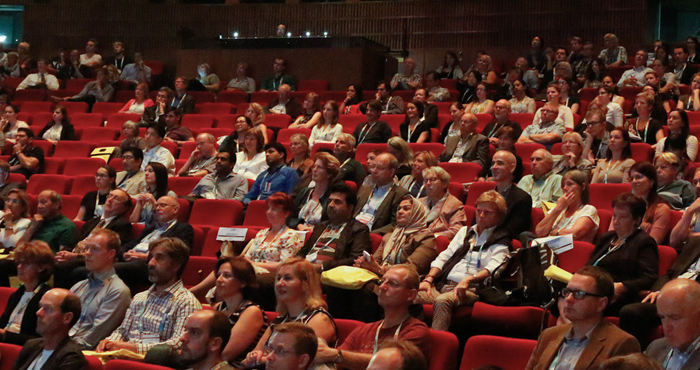
The broader programme of the Prague meeting placed scientific advances beside clinical application and humane care; its programme highlights reflect that bridge. Discussions of future-oriented cognition are strongest when they include patients’ values, family narratives and cultural concepts of time rather than treating prediction as a purely neural output.
Translating findings into patient care
A useful clinical formulation asks three questions: can the person generate a specific future event, can they judge whether it is achievable, and can they translate it into action? The answers may diverge. Someone might imagine a rich holiday but be unable to book transport, manage medication or adapt when plans change.
Documentation should record the patient’s own words, the supports used and the functional outcome. When collaboration is needed across services, clinicians can use the conference contact pathway as an example of clear, accessible communication: identify the purpose, provide relevant context and make the next action explicit. Such precision helps future thinking become a practical part of neurological care rather than an isolated laboratory concept.
General Information
Important information about the meetingIndustry
Support and exhibition opportunitiesCzech Republic
Beautiful country situated in the very heart of EuropeContact
How can we help you?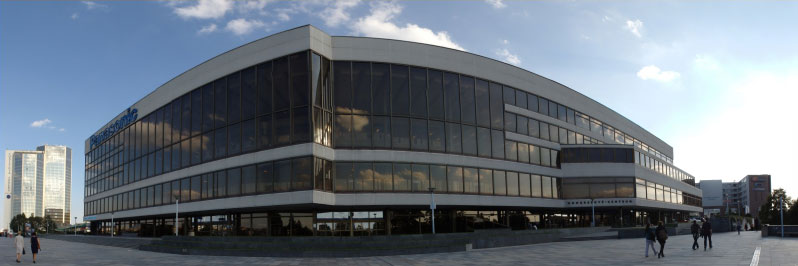
Prague Congress Centre (KCP)
5.května 65140 21 Prague 4
Czech Republic
Phone: +420 261 171 111
Website: www.kcp.cz