



Preoperative Neuropsychology and Functional Outcomes in Epilepsy Surgery
Epilepsy surgery can reduce seizure frequency or achieve seizure freedom, yet its value is measured across a much wider landscape. Memory, language, mood, employment, relationships and independence all influence whether a person experiences the operation as a meaningful improvement.
Preoperative neuropsychological assessment helps the clinical team estimate cognitive risk before treatment. It also establishes a baseline against which postoperative change can be judged. This is especially important when surgery targets regions involved in verbal memory, visual memory, attention or language.
For Australian patients, the pathway may involve a public tertiary hospital in Melbourne, Sydney, Brisbane or Perth, or a private referral network with considerable travel between regional centres. Waiting lists, Medicare arrangements, private health cover and access to an epilepsy nurse can shape how quickly assessment and rehabilitation are delivered.
The best practice is collaborative rather than purely test-based. Neuropsychologists, epileptologists, neurosurgeons, radiologists, speech pathologists, psychiatrists, patients and families each contribute information about the person’s everyday abilities and priorities.
Assessment Before Surgery
A detailed history begins with seizure onset, frequency, medication effects, education, occupation and previous neurological events. The neuropsychologist may assess intellectual ability, processing speed, attention, executive skills, verbal and visual learning, memory retrieval, language and emotional wellbeing.
Results are interpreted alongside MRI, video-EEG, functional imaging and, where necessary, language or memory lateralisation studies. A low score does not automatically indicate surgical risk. It may reflect fatigue, medication burden, anxiety, limited schooling, bilingual language use or the cumulative impact of uncontrolled seizures.
The assessment should also explore practical goals. A university student in Sydney may be most concerned about reading load and examinations, while a tradesperson outside Newcastle may prioritise safety, driving, concentration and returning to physical work. A family discussion can clarify which changes would represent genuine functional gains.
From Test Scores to Daily Function
Cognitive outcomes are best understood as patterns over time. Someone with stable test scores may still function better because seizures have stopped, sleep has improved and medication has been reduced. Conversely, a small decline in verbal memory may have major consequences for a teacher, lawyer or person managing complex medication schedules.
Clinicians can combine formal testing with patient-reported outcomes, family observations and occupational information. Measures of quality of life should include confidence, social participation, fatigue, independence and the ability to resume valued activities.
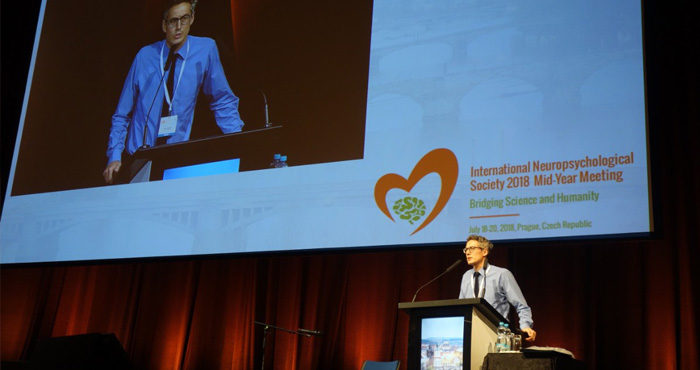
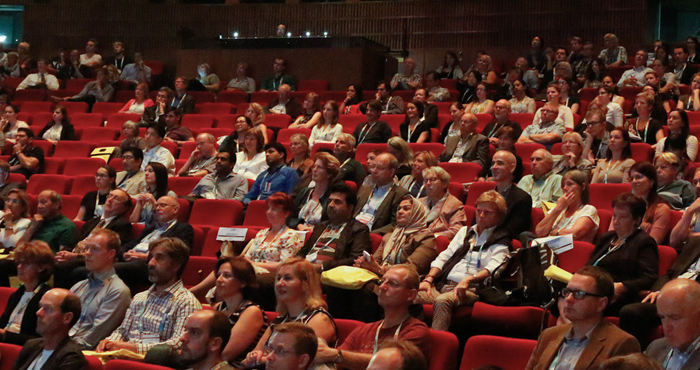
A visual record of the wider professional and educational setting is available through the conference photo gallery, which reflects the collaborative spirit surrounding neuropsychology meetings. That same spirit is useful in epilepsy care: interpretation improves when cognitive findings are discussed with the people who know the patient’s daily environment.
Comparing Outcome Domains
The timing of follow-up matters. Early postoperative testing may capture temporary effects of anaesthesia, pain, sleep disruption or medication changes. Later reviews can show whether skills have stabilised and whether rehabilitation strategies are transferring into work, study and home life.
| Outcome domain | Preoperative focus | Postoperative functional question |
|---|---|---|
| Memory | Learning, retention and retrieval profile | Can the person manage new information and routines? |
| Language | Naming, fluency and comprehension | Has communication changed in conversation or work? |
| Executive skills | Planning, flexibility and inhibition | Can daily tasks be organised safely and independently? |
| Mood | Anxiety, depression and adjustment | Has emotional wellbeing improved or needs emerged? |
| Quality of life | Seizure burden, confidence and participation | Is life broader, safer or more satisfying? |
A meaningful outcome may involve modest cognitive change alongside major gains in seizure control. The reverse is also possible: seizure reduction may be limited, while better coping, medication review and rehabilitation still improve participation. Clear baseline documentation prevents these complex results from being reduced to a single score.
Culturally Safe Australian Pathways
Cultural safety should be built into consent, assessment and follow-up. For Aboriginal and Torres Strait Islander patients, clinicians should support self-determined communication, allow appropriate family or community involvement and recognise the effects of distance, transport and historical mistrust. Interpreters should be used when needed rather than relying on relatives.
Australian services also need to accommodate multilingual communities, including patients who use Mandarin, Arabic, Vietnamese or Greek at home. Test norms may not fully represent every language or educational background, so the clinician should document limitations and use multiple sources of evidence.
Useful planning points include:
- Confirm language, cultural and accessibility needs before testing.
- Allow breaks for fatigue, seizures, pain or medication effects.
- Discuss driving rules with reference to current Australian requirements.
- Include family, carers or support people with the patient’s consent.
Practical supports may include:
- A written medication and appointment plan.
- Early referral to speech pathology or occupational therapy.
- Telehealth reviews for people in regional and remote areas.
- Coordination with employers, schools or disability services.
Planning Follow-Up and Rehabilitation
Postoperative care should begin before surgery, with realistic expectations about memory, language, mood and seizure control. Patients benefit from knowing which symptoms require urgent review and which temporary changes may improve during recovery.
Rehabilitation can involve memory aids, environmental adjustments, speech-language therapy, psychological care and graded return to study or employment. In complex cases, integrated support resembles the broader principle described in palliative care integration: care works best when clinical treatment, communication and the person’s lived priorities are connected.
Australian teams may need to coordinate metropolitan surgery with local neurologists, general practitioners and allied health providers. Follow-up should therefore include a clear written summary, accessible contact points and a plan for reviewing medication, driving, work capacity and psychosocial wellbeing.
Education is valuable for clinicians as well as patients. Archived professional resources such as the CENES programme can support continuing discussion about neuroscience, clinical practice and humane care. Functional outcomes become more meaningful when every member of the team understands how cognitive change affects real life.
General Information
Important information about the meetingIndustry
Support and exhibition opportunitiesCzech Republic
Beautiful country situated in the very heart of EuropeContact
How can we help you?
Prague Congress Centre (KCP)
5.května 65140 21 Prague 4
Czech Republic
Phone: +420 261 171 111
Website: www.kcp.cz