




Decision-Making Deficits in Substance Use Disorders
Choices around alcohol and other drugs are often described as voluntary, yet neuropsychology shows how reward learning, stress, attention and impulse control can narrow the available options. For clinicians, the central issue is how brain-based vulnerabilities interact with trauma, social context, withdrawal and the immediate availability of substances. Learn more about リウマチ患者の栄養管理と食事指導のポイント.
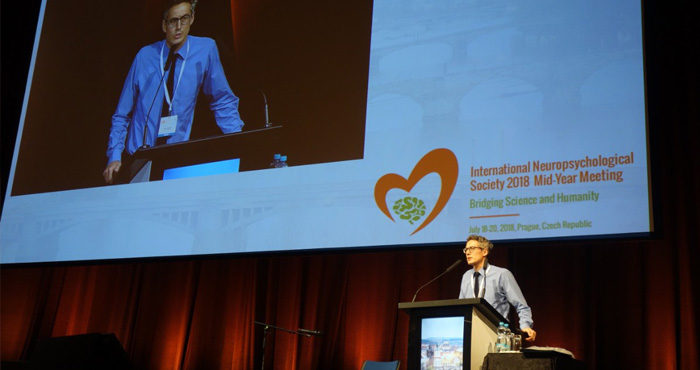
This perspective was central to the International Neuropsychological Society meeting in Prague in 2018, where research was considered alongside humane care and cultural awareness. It remains relevant in Australia, from alcohol-related harm in regional communities to methamphetamine and opioid treatment in Sydney, Melbourne, Perth and remote areas.
What decision-making means clinically
Decision-making is more than knowing that a substance may cause harm. It involves delaying gratification, weighing uncertain outcomes, updating beliefs after negative consequences and selecting a safer response under pressure. A person may perform adequately on a quiet office task yet struggle when tired, distressed or exposed to drug-associated cues.
Common findings include preference for immediate rewards, reduced sensitivity to delayed consequences and difficulty learning from losses. These patterns can appear alongside executive dysfunction, poor working memory and diminished cognitive flexibility. Assessment should therefore examine everyday choices rather than relying on a single score.
Brain systems and reward learning
Repeated substance exposure can strengthen cue-driven motivation through interactions among the prefrontal cortex, striatum, amygdala and stress systems. The result is a powerful pull towards short-term relief or stimulation, even when the person can clearly describe long-term risks.
Neuropsychological interpretation must remain cautious. Similar changes may arise with sleep deprivation, depression, acquired brain injury or neurological illness. A useful clinical comparison is the evolving care in Huntington’s disease, where cognitive, emotional and motor factors also need to be separated rather than attributed to one symptom.
Assessment in Australian services
Testing should be culturally responsive and suited to the setting. Standardised measures may not reflect the communication styles, educational histories or lived experiences of Aboriginal and Torres Strait Islander clients. An interpreter, cultural consultant or trusted Aboriginal health worker may improve the validity of the assessment.
Australian clinicians also work across very different service environments. A client in inner-city Melbourne may have frequent access to specialist care, while someone in the Northern Territory may face long travel, limited privacy and disrupted continuity. In regional Queensland or Western Australia, practical risk assessment must include transport, housing, family responsibilities and local drug supply.
Signs that warrant closer attention
Patterns in daily life often reveal impaired judgement more clearly than a formal test. Relevant observations include:
- Repeatedly choosing immediate substance access over medication, work or essential spending
- Underestimating overdose, driving or mixing-substance risks
- Returning to use after a clear consequence without changing the plan
- Struggling to compare treatment options or retain safety advice
These signs should be interpreted with compassion. Cognitive impairment can fluctuate with intoxication, withdrawal, poor nutrition and sleep loss. Reviewing decisions across several appointments gives a more reliable picture than labelling a person after one crisis.
Supporting safer choices
Intervention can reduce the cognitive load placed on a person during high-risk moments. Clear written plans, visual reminders, staged goals and rehearsed coping responses are often more effective than lengthy explanations delivered during distress. Motivational interviewing can explore ambivalence without turning treatment into a debate.
Physical health also affects concentration and self-control. In Australia, linking addiction care with general practice, pharmacies and community health centres may help address hepatitis, diabetes, dental problems and food insecurity. Practical nutrition guidance is relevant when appetite, medication effects or unstable housing complicate recovery.
Treatment approaches and their limits
Cognitive remediation may target attention, planning and inhibition, while contingency management makes healthy behaviour more immediate and visible. Medication-assisted treatment, including opioid agonist therapy, can reduce craving and create a more stable platform for psychological work. Family involvement is valuable when consent, safety and cultural preferences are respected.
No intervention should assume that poor choices reflect poor motivation. A person with severe executive dysfunction may need shorter appointments, repeated information and help managing money or appointments. The goal is supported autonomy: improving the conditions in which safer decisions can occur.
Comparing clinical priorities
The historical INS 2018 meeting site reflects a useful bridge between neuroscience, clinical practice and humane patient care. That bridge matters when evidence must be adapted to Australian markets, prescribing systems and community expectations rather than copied mechanically from overseas studies.
| Clinical focus | Typical difficulty | Helpful response |
|---|---|---|
| Immediate reward | Choosing relief over future benefits | Short-term, visible incentives |
| Inhibition | Acting quickly around cues | Cue management and delay plans |
| Learning from consequences | Repeating risky patterns | Review without blame and modify the environment |
| Working memory | Forgetting safety information | Brief written instructions and repetition |
| Uncertainty | Poorly weighing variable outcomes | Concrete scenarios and supported planning |
From assessment to humane care
Decision-making impairment should guide support, not define a person’s identity. Clinicians can preserve dignity by explaining findings in plain language, checking understanding and involving the client in selecting realistic goals. Risk management is strongest when it addresses housing, relationships, mental health and access to care alongside substance use.
For Australian services, effective practice combines neuropsychological evidence with local knowledge: the realities of Medicare-funded appointments, pharmacy access, remote outreach, public transport in major cities and the importance of family and community connections. This approach recognises brain vulnerability while protecting agency and hope.
General Information
Important information about the meetingIndustry
Support and exhibition opportunitiesCzech Republic
Beautiful country situated in the very heart of EuropeContact
How can we help you?
Prague Congress Centre (KCP)
5.května 65140 21 Prague 4
Czech Republic
Phone: +420 261 171 111
Website: www.kcp.cz