



Cross-Cultural Validation of the Montreal Cognitive Assessment
The Montreal Cognitive Assessment (MoCA) is widely used as a brief screen for mild cognitive impairment, dementia and related changes in thinking. Its short format is practical, yet scores can be influenced by language, schooling, culture, health literacy and familiarity with testing. Cross-cultural validation is therefore essential before applying a translated version in routine Australian care. Learn more about Cómo Se Prepararon Los Finalistas Para La Gran Cita.
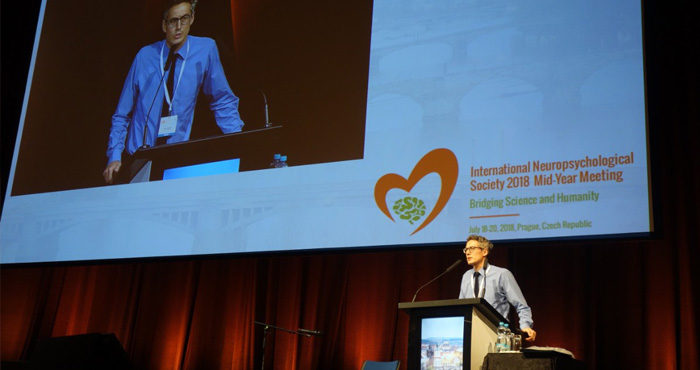
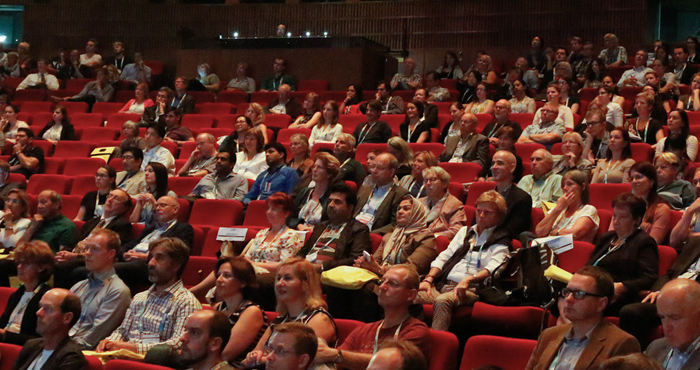
The subject fits the spirit of the International Neuropsychological Society meeting held in Prague from 18–20 July 2018. That event connected neuroscience and clinical practice with humane care and cultural awareness—principles that remain important when interpreting cognitive results across Australia’s diverse communities.
| Validation issue | Why it affects MoCA results | Australian consideration |
|---|---|---|
| Language and translation | Direct translation may change item difficulty or meaning | Use an approved language version and a qualified interpreter |
| Education and literacy | Schooling can affect instructions, reading and written responses | Consider educational history, including interrupted or overseas schooling |
| Cultural familiarity | Naming, memory and abstraction items may favour one cultural background | Check whether stimuli are recognisable and meaningful |
| Normative data | A raw score may not have the same meaning across groups | Compare with appropriate age, education and language norms |
| Sensory and health factors | Hearing, vision, fatigue and illness can depress performance | Make reasonable adjustments and document testing conditions |
Why Cultural Validation Matters
A translated cognitive screen is not automatically equivalent to the original. Linguistic structure can alter word length, category familiarity, fluency demands and the ease of following multi-step instructions. Cultural adaptation may require reviewing images, examples, calculations and naming items, followed by testing with people who reflect the intended population.
Validation studies should examine reliability, internal consistency, test–retest performance and agreement with established clinical diagnoses. Sensitivity and specificity are especially important: a cut-off that works in one population may produce avoidable false positives or missed cases in another. The INS committee provides useful historical context for the professional and scientific community behind the Prague meeting.
The Australian Context
Australia is linguistically and culturally varied. A person assessed in suburban Melbourne may speak Vietnamese at home, while someone in the Northern Territory may use an Aboriginal language, Kriol or English as an additional language. Aboriginal and Torres Strait Islander peoples may have educational, health and cultural experiences that are poorly represented by standard metropolitan norms.
Distance also shapes practice. A clinician in a regional Queensland town or a remote Western Australian community may have limited access to neuropsychology, interpreters and specialist follow-up. Telehealth can help, although sound quality, privacy, digital access and the need for an appropriate support person must be considered. A culturally safe process matters as much as the score.
Education, Bilingualism and Communication
Years of education are an imperfect proxy for literacy and learning opportunity. Older Australians may have left school early, attended schools overseas or experienced disrupted education. Conversely, a high level of formal education does not guarantee familiarity with a particular test language. Recording educational quality, first language, preferred language and literacy is more informative than relying on a single number.
Bilingual speakers may perform differently according to the language used, their age of acquisition and how often they use each language. An interpreter should translate instructions faithfully without coaching or simplifying tasks. Australian clinicians commonly work with accredited interpreters, and family members should not automatically be expected to interpret sensitive clinical information.
Choosing Norms and Cut-Offs
A useful validation study recruits participants who resemble the clinical population, including age, education, language background and relevant medical conditions. Researchers should report recruitment methods clearly and avoid treating a culturally diverse sample as a single uniform group. Results should be compared with appropriate healthy controls and, where possible, with people who have confirmed cognitive disorders.
The total MoCA score should never replace clinical judgement. Functional history, medication effects, mood, sleep, hearing, vision and neurological examination all influence interpretation. In an Australian memory clinic, a borderline result may justify a fuller assessment rather than a firm label, particularly when the person has used an interpreter or has limited familiarity with written English.
From Screening to Humane Care
Good practice begins before the first item is administered. Explain the purpose of screening, obtain consent, check glasses and hearing aids, allow a suitable pace and record any deviations from standard procedures. Cultural safety includes respecting kinship structures, preferred forms of address and the patient’s right to involve a trusted support person.
Practical arrangements can affect attendance and engagement. For professionals travelling to a conference or training event, Prague accommodation was part of the original INS 2018 site’s planning information; in Australia, comparable planning may involve long drives from regional areas, public hospital schedules or limited local lodging. Preparation—even the small routines explored in finalist preparation—can make assessment more consistent, provided it supports comfort rather than coaching performance.
When culturally appropriate language versions, sound psychometrics and careful clinical interpretation work together, the MoCA becomes a more equitable screening tool. Its value lies less in a number alone than in how that number informs respectful conversation, further assessment and practical support.
General Information
Important information about the meetingIndustry
Support and exhibition opportunitiesCzech Republic
Beautiful country situated in the very heart of EuropeContact
How can we help you?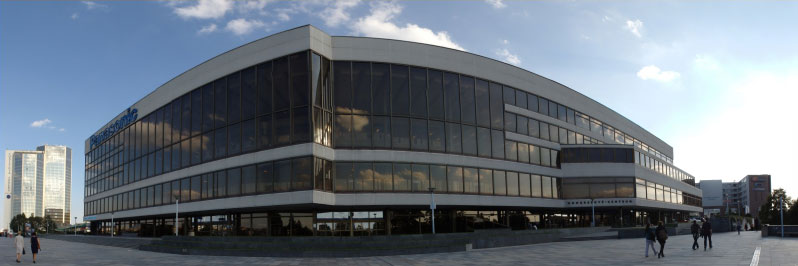
Prague Congress Centre (KCP)
5.května 65140 21 Prague 4
Czech Republic
Phone: +420 261 171 111
Website: www.kcp.cz