



Prospective memory in epilepsy: clinical insights from Prague
Prospective memory is the capacity to remember to do something later, from taking medication before breakfast to keeping an appointment. In epilepsy, seizures, treatment effects and disrupted brain networks can interfere with this future-directed thinking, making assessment more than a matter of test scores.
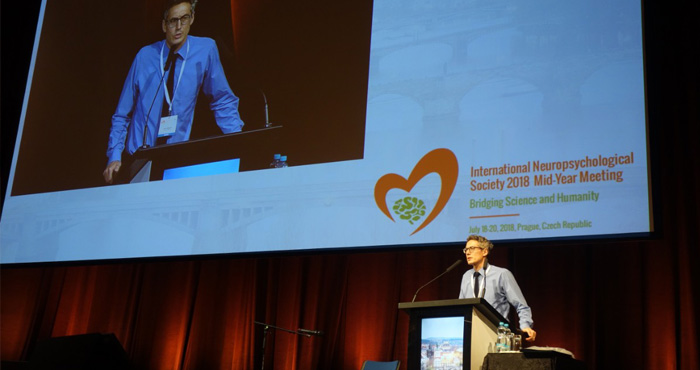
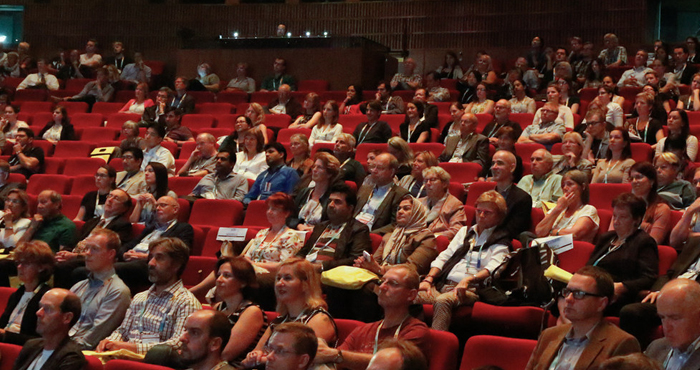
The INS 2018 mid-year meeting brought researchers and clinicians together in Prague from 18–20 July 2018. Its scientific programme, posters and continuing education workshops focused on connecting advances in neuropsychology with humane patient care.
For Australian neuropsychologists, neurologists and GPs, the task is to turn research findings into a usable referral pathway. Medicare arrangements, public waiting lists and culturally responsive service design influence which assessment is feasible and how its results reach the person receiving care.
Why prospective memory deserves clinical attention
Epilepsy is heterogeneous: focal epilepsy, especially temporal-lobe involvement, may affect different systems from generalised epilepsy. Prospective remembering relies on medial temporal and frontostriatal networks, while antiseizure medicines can introduce sedation or slowed processing. These general patterns cannot predict an individual outcome.
Difficulties often emerge when the environment offers few cues, delays are long or familiar routines are disrupted. Missed medication doses, forgotten appointments or skipped safety checks can then have more impact than a modest laboratory deficit. A useful assessment links performance to these everyday consequences rather than treating change as a personal failing.
Building a balanced assessment
A comprehensive evaluation samples unprompted intentions, event-based and time-based tasks, and responses with and without cueing. It may compare remembering to perform an action with recalling information, working memory and executive control, since strong performance on one component does not guarantee intact everyday planning.
Repeated testing also supports learning and strategy use. Interviews, diaries or simulations can reveal whether a patient remembers an intention only when someone else provides a prompt. Reports should describe the level of assistance required, not simply whether the task was passed.
Culture, language and interpretation
Memory and visuospatial tasks depend on education, language, cultural experience and familiarity with test materials. A related INS journal discussion of visuospatial assessment and culture offers a useful reminder that unfamiliar tasks can look like cognitive impairment when scoring ignores context.
For Australian teams, this means checking language proficiency, schooling and relevant cultural experience before interpreting a low score. Professional interpreters and, where appropriate, Aboriginal health practitioners or local clinical staff can support explanation and consent. Cultural safety involves testing and discussing results in ways that respect the person’s goals and community context.
An assessment pathway for Australia
A GP referral is the usual route to a Medicare-rebated neuropsychology assessment, although eligibility and billing vary between public and private services. In Melbourne, Sydney and Brisbane, public hospital neurology and neuropsychology services may coordinate assessment around epilepsy clinic appointments, which can involve lengthy waiting lists. Some private clinics bulk-bill; others charge a gap that should be discussed before booking.
A practical referral identifies seizure type and frequency, current antiseizure medicines, recent medication changes, sleep concerns and the everyday actions that are difficult. It also records the person’s priorities, such as managing medication independently, returning to work or travelling safely. In Australian clinical talk, a ‘memory review’ may cover baseline assessment or later reassessment, so referrals should make that scope explicit.
Equity across distance and communities
Rural and remote Australia adds travel, service scarcity and technology barriers. Telehealth can broaden access, including through outreach linked with services such as the Royal Flying Doctor Service, but it should not substitute automatically for a face-to-face assessment. Vision, hearing, connection quality, fatigue and the availability of a support person all need checking.
For Aboriginal and Torres Strait Islander patients, a culturally safe service may involve community-controlled health services, trusted local health workers and appropriate interpreter support. These arrangements should be offered according to the patient’s preferences rather than assumptions about language or ability. Clear feedback about results is especially important when specialist follow-up is distant.
Selecting measures and interpreting patterns
No single task captures the full range of prospective remembering. The clearest approach is convergence across task demands, history and functional evidence, with attention given to medication, mood, sleep and seizure-related factors.
| Assessment component | Main contribution | Important caution |
|---|---|---|
| Uncued intention task | Captures self-initiated future action | Sensitive to unfamiliar instructions |
| Event-based and cued tasks | Separates memory from cue dependence | Practice effects may inflate later scores |
| Diary or simulation | Connects intention with daily routines | Requires consistent support and recording |
| Collateral information | Checks performance outside the clinic | Reporter recall may be uneven |
A useful report states which cues helped, which routines remain vulnerable and what changes might reduce risk. It should also separate observed findings from the clinician’s hypotheses.
Turning evidence into shared care
The INS 2018 sponsorship and exhibition material highlights the potential of partnerships linking science, professional education and patient-facing services. For clinicians, that connection matters because reliable assessment depends on shared standards, accessible referrals and sustained local support, not a one-off testing event.
The strongest care plans pair neuropsychological findings with neurology review, medication discussion and practical supports involving occupational therapy, family or community services. The endpoint is meaningful change: fewer missed actions, safer routines and greater confidence in daily life.
General Information
Important information about the meetingIndustry
Support and exhibition opportunitiesCzech Republic
Beautiful country situated in the very heart of EuropeContact
How can we help you?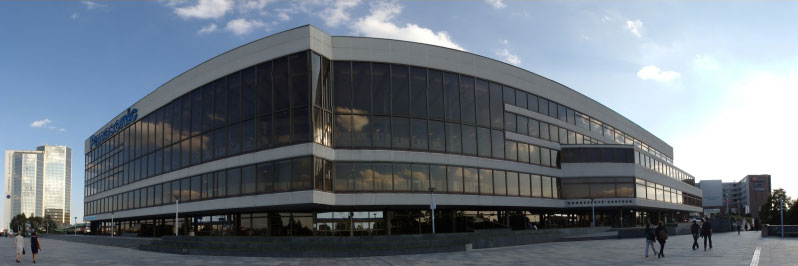
Prague Congress Centre (KCP)
5.května 65140 21 Prague 4
Czech Republic
Phone: +420 261 171 111
Website: www.kcp.cz