




Emotion regulation in mild cognitive impairment
Mild cognitive impairment (MCI) is usually framed as a change in memory or thinking that has not yet crossed the threshold for major neurocognitive disorder. Emotional self-regulation deserves equal attention: anxiety, irritability, apathy and rumination can impair daily function even when basic independence remains intact. Treatment works best when mood, motivation and cognition are assessed as interacting systems.
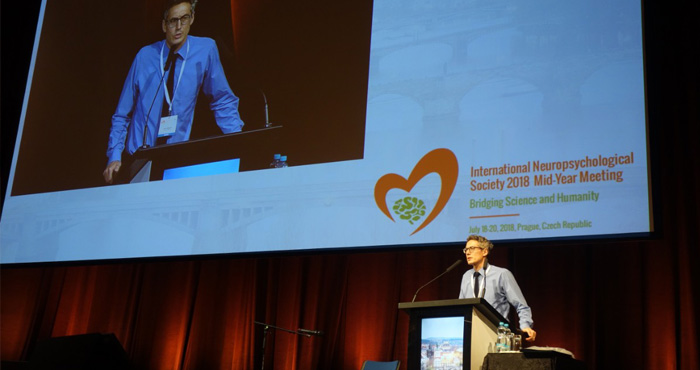
The INS 2018 mid-year meeting in Prague, held from 18 to 20 July, brought neuropsychologists together around a central aim: connecting scientific advances with humane patient care. Its program, posters and continuing education workshops linked laboratory findings with cultural context and clinical decisions, giving affect regulation in MCI a credible place within the meeting’s wider discussions.
For Australian clinicians and families, translating these ideas requires more than importing a test or therapy protocol. Patients may describe trouble concentrating as “brain fog”, and some hesitate to raise mood changes because they see them as ordinary ageing. Clinicians need clear explanations, careful inquiry and services that respect cultural, linguistic and socioeconomic differences.
Why emotion regulation matters
Standard assessments often concentrate on episodic memory, executive function and processing speed. Emotional factors can influence every stage of cognition, from encoding new information to retrieving it under pressure. Persistent worry may consume working-memory resources, while depression or apathy can reduce engagement with familiar activities and treatment.
Emotion regulation includes noticing feelings, understanding their context, reappraising a situation and redirecting an impulsive response. It does not mean suppressing emotion. The clinical aim is flexibility: helping someone experience an appropriate emotional response, recover after stress and return to valued activities. Changes in this capacity may also provide clues about early neurological disease.
Assessment in everyday contexts
A useful assessment connects test performance with daily life. Clinicians should ask how often the person becomes distressed, whether frustration affects relationships and what happens when memory demands rise. Sleep, medication, pain, hearing loss and social isolation also matter. Australian patients frequently use plain phrases such as “brain fog” or “memory worries”, which should be explored without being treated as diagnostic labels.
For Aboriginal and Torres Strait Islander clients, assessment should begin with cultural safety, appropriate consent and the patient’s preferred ways of communicating. A practical guide to culturally responsive memory assessment can support that process. Professional interpreters, family involvement and community knowledge are often more informative than an immediate score comparison.
Brain, behaviour and treatment
Prefrontal control systems, limbic responses and hippocampal memory networks operate together rather than as isolated mechanisms. Stress can sharpen emotional reactions while weakening access to executive resources. This interaction may help explain why some people with MCI appear capable on a quiet, structured assessment but struggle to manage frustration, embarrassment or uncertainty in social settings.
Interventions may include psychoeducation, cognitive-behavioural strategies, behavioural activation, sleep treatment and caregiver support. Techniques such as reappraisal and problem-solving can be adapted to individual preferences, while mindfulness-based approaches may help when they are accessible and acceptable to the patient. Additional neuropsychology practice resources can help clinicians connect these interventions with broader assessment and rehabilitation principles.
What the Prague meeting highlighted
The INS 2018 program placed neuroscience alongside cultural consideration and clinical practice. Poster discussions and continuing education sessions demonstrated how scientific findings become meaningful only when they can be applied respectfully in assessment, communication and long-term support. The meeting’s emphasis on humane care was particularly relevant to MCI, where fear of decline can shape how patients and families respond to uncertainty.
The meeting also showed the value of shared cases and interdisciplinary exchange. Neuropsychologists, speech pathologists, psychologists and medical specialists may each observe different aspects of emotional and cognitive change. A photo gallery and informal discussion added a human dimension, while the organised program and venue information supported sustained professional exchange rather than isolated presentations.
An Australian pathway to care
In Australia, a general practitioner can investigate reversible contributors to cognitive symptoms, review medication and arrange Medicare-funded medical care. A comprehensive neuropsychology assessment may require private payment or private-health rebates, so clinics should explain costs and likely timelines upfront. Telehealth has expanded access for people in regional and remote areas, although cultural and technical checks still matter.
People under 65 with disability may explore supports through the National Disability Insurance Scheme, while older adults can contact My Aged Care; MCI alone does not automatically establish eligibility. In Melbourne, Sydney, Perth and regional centres, Aboriginal Medical Services and Community Controlled Health Services provide culturally grounded care pathways that can complement specialist assessment. A coordinated service combines cognitive evaluation, emotional support, practical strategies and regular review, preserving function while reducing uncertainty for patients and their families.
General Information
Important information about the meetingIndustry
Support and exhibition opportunitiesCzech Republic
Beautiful country situated in the very heart of EuropeContact
How can we help you?
Prague Congress Centre (KCP)
5.května 65140 21 Prague 4
Czech Republic
Phone: +420 261 171 111
Website: www.kcp.cz