



Cognitive Changes After Chemotherapy in Breast Cancer Survivors
Many breast cancer survivors describe a frustrating change after treatment: familiar words take longer to retrieve, conversations become harder to follow, and routine tasks demand unusual effort. Often called “chemo brain,” cancer-related cognitive impairment can continue after chemotherapy has finished, although fatigue, poor sleep, pain, anxiety, menopause-related symptoms and other medicines may contribute.
The experience differs across individuals. A survivor in Melbourne returning to work may notice slower multitasking, while someone in regional Queensland may struggle to access neuropsychological assessment close to home. Understanding these changes requires careful clinical evaluation, culturally responsive communication and practical support rather than assumptions about treatment or recovery.
What Cognitive Changes Can Look Like
Common concerns include reduced attention, slower processing speed, forgetfulness and difficulty finding words. Planning several tasks, learning new information or switching between demands can also feel more tiring. These symptoms may be subtle in everyday life but become obvious when a person resumes paid employment, study, parenting or complex household responsibilities.
Research suggests that chemotherapy can affect cognitive performance through inflammatory processes, treatment-related fatigue, hormonal changes and the broader stress of cancer. Breast cancer survivors may also receive endocrine therapy, radiation or other medicines that influence concentration and mood. A baseline assessment, when available, helps clinicians distinguish new difficulties from earlier learning, health or mental health concerns.
Why Assessment Needs a Wider Lens
A neuropsychological assessment usually combines an interview, questionnaires and standardised tasks covering memory, attention, language and executive function. Results should be interpreted alongside sleep quality, mood, pain, menopausal symptoms, medication use and work demands. A single low score does not automatically prove that chemotherapy caused permanent brain damage.
The comparison with other neurological conditions is useful because cognitive complaints are not specific to cancer treatment. Discussions of emotional sequelae show why fatigue, mood and disease-related stress need to be considered alongside test performance. In Australia, referral pathways may involve a GP, breast cancer nurse, oncology team and a neuropsychologist, with costs varying between public services, private clinics and private health insurance.
Everyday Strategies That Can Reduce Cognitive Load
Small environmental changes can make demanding tasks more manageable. Written instructions, phone reminders, labelled storage and one-task-at-a-time routines reduce the amount of information held in working memory. Rest breaks are more effective when planned before exhaustion becomes severe, particularly for people balancing treatment recovery with employment or caring responsibilities.
Australian survivors may need to navigate long travel from rural or remote communities to metropolitan hospitals in Sydney, Brisbane, Perth or Adelaide. Telehealth can help with follow-up and education, although reliable internet access and privacy are not universal. Local pharmacies, cancer support organisations and hospital rehabilitation services can provide practical assistance, while Medicare access and private fees should be clarified before appointments.
Support for Work, Family and Cultural Needs
Returning to work often exposes cognitive changes that were less visible during treatment. A gradual schedule, written meeting summaries, quieter workspaces and additional time for unfamiliar tasks may help. Employers and survivors can discuss reasonable adjustments without requiring every detail of a private medical history.
Family expectations also shape recovery. Some people may prefer direct conversations about memory and fatigue; others may value family involvement in appointments or communication in a first language. Aboriginal and Torres Strait Islander survivors, migrants and people living far from specialist centres may benefit from culturally safe services and interpreters. Australian consumer health choices also vary, from hospital-based rehabilitation to commercial supplements and online “brain training,” so claims should be checked with qualified clinicians.
Building Better Evidence and Care
Research is strongest when it follows survivors over time and includes people with different ages, education levels, cultural backgrounds and treatment histories. Patient-reported outcomes matter because a modest change on a test may have a major effect on driving, shopping, study or employment. Clinicians should explain uncertainty clearly and avoid presenting normal test results as proof that a person’s concerns are unreal.
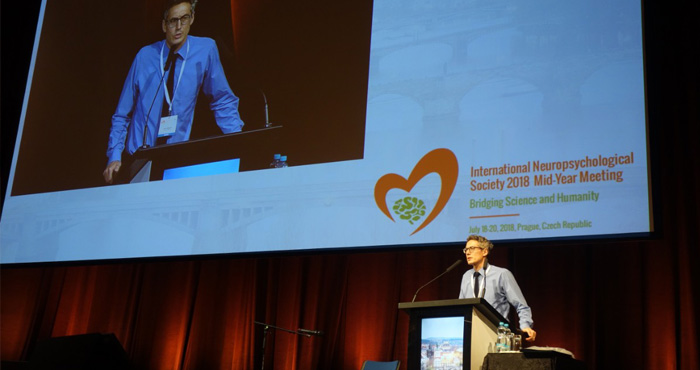
Professional education helps bridge neuroscience and humane care, a central aim of the 2018 International Neuropsychological Society meeting in Prague. Students and early-career clinicians can explore this connection through the INS student program. Critical appraisal is equally important: reviews such as withdrawal review illustrate why researchers should examine changing evidence, publication decisions and the reliability of claims before translating findings into practice.
Practical Points for Daily Planning
Useful habits can protect attention during recovery:
- Keep a single calendar for medical, work and family commitments
- Carry a notebook or use a phone note for questions and instructions
- Schedule cognitively demanding tasks during the most alert part of the day
- Ask for written follow-up after complex appointments
Support people can make assistance more respectful and effective:
- Offer reminders without taking over every decision
- Reduce background noise during important conversations
- Break large tasks into short, agreed steps
- Record changes in sleep, mood, medication and fatigue for clinicians
General Information
Important information about the meetingIndustry
Support and exhibition opportunitiesCzech Republic
Beautiful country situated in the very heart of EuropeContact
How can we help you?
Prague Congress Centre (KCP)
5.května 65140 21 Prague 4
Czech Republic
Phone: +420 261 171 111
Website: www.kcp.cz