





Virtual reality for social cognition in schizophrenia
Virtual reality for social cognition training in schizophrenia enables controlled rehearsal of social skills, difficult conversations and ambiguous social cues. Head-mounted displays place participants where avatars speak and respond, while therapists adjust complexity without unnecessary risk.
Schizophrenia-spectrum illness can affect emotion recognition, Theory of Mind and social prediction, although difficulties vary. Immersive exercises should complement supported conversation, occupational rehabilitation, family work and cognitive behavioural therapy.
Australia’s geography creates access barriers. Sydney, Melbourne and Brisbane commuters negotiate crowded platforms, while rural and remote catchments may cover thousands of kilometres with few specialists. Local and telehealth delivery can help when equipment, connectivity and clinical support remain accessible.
Funding and governance matter. Medicare, the National Disability Insurance Scheme and private insurers offer different pathways, while the Privacy Act 1988, Australian Privacy Principles and state or territory confidentiality laws govern sensitive information. Services should make data handling and patient-defined benefits transparent.
Why immersive practice can help
Social-cognition work often uses photographs, scripted role-play or group discussion. Rehearsing a café encounter can feel unlike real life. Virtual environments let participants meet the same person from different viewpoints, then repeat the exchange with altered voice, expression or intent.
Avatars make mentalising interactive: a participant decides whether an avatar is teasing, dismissing or confused, then tests an interpretation through speech. Feedback should explain reasoning rather than label the participant as deficient. Real-world practice remains essential for transfer.
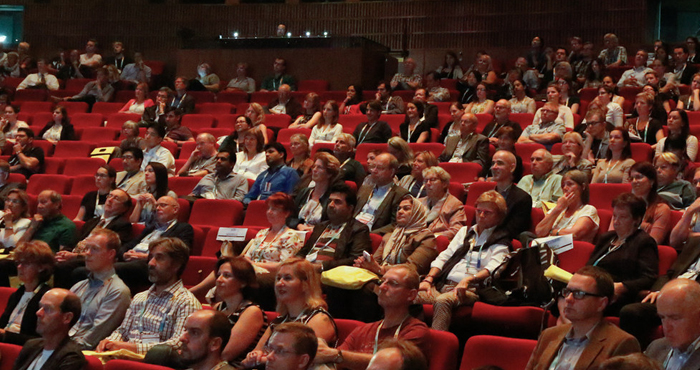
Connecting neuroscience with humane care is visible in the INS 2018 meeting archive. Its Prague context reinforces why a technically impressive tool should remain subordinate to therapeutic goals, cultural safety and participant preferences.
Designing scenarios for Australian life
Scenarios should reflect familiar routines without pretending Australia has one social culture. Options might involve a delayed train, pharmacy query, workplace meeting or community event. Examples from Perth, Hobart or regional towns should come from participants rather than templates.
Paid co-design with consumers, families and clinicians, including Aboriginal and Torres Strait Islander services, can prevent assumptions about directness, eye contact, family roles, humour or silence. Multilingual materials and varied avatars can support diverse communities without stereotyping.
Comfort and accessibility determine whether training is usable. Sessions should offer seated and standing modes, alternatives for voice input, adjustable text and brief exposure. Clinicians need protocols for cybersickness, headset fit, hearing access, technical failure and permission to stop.
Keeping evidence and safety central
Evidence is promising but limited. Studies vary in headset design, scenarios and comparisons, so a virtual task score is not proof of social recovery. Stronger evidence comes from trials comparing immersive training with credible non-immersive therapy and testing transfer to unfamiliar situations and daily life.
Safety screening should cover acute psychosis, severe distress, motion sensitivity, trauma history and personal preference. A clinician should remain available, explain what others can see, avoid surprise changes and set stopping rules. Virtual reality can feel exposing, so privacy, dignity and consent matter.
Teams can place results in a broader neuropsychological framework using Barany clinical resources, rather than treating one exchange as a global measure of cognition. The intervention is best selected through shared goals and clinical judgement.
Delivering care across Australia
A hub-and-spoke model could support specialists, community teams and GPs. Headsets can be used in metropolitan clinics, while remote practitioners guide telehealth and local staff support setup. Portable equipment and supervised home use may improve reach if troubleshooting and follow-up are funded.
Headset sales through Australian online and electronics retailers have not produced consistent reimbursement for immersive mental-health treatment. Medicare Mental Health Treatment Plans can support eligible psychological care, including telehealth, while NDIS plans and private cover vary. Services should verify eligibility.
Device telemetry may expose gaze, speech errors and response timing. Privacy duties apply to the clinic, software supplier and cloud platform. Teams should minimise collection, explain each data type, document consent, secure storage and establish data-breach response and deletion procedures.
Measuring meaningful change
Assessment should combine simulated performance with real-world goals. Measures can include emotion recognition, perspective taking, Goal Attainment Scaling, the Australian WHODAS 2.0, patient-reported functioning and caregiver observations. Baseline, midpoint and follow-up assessment reveals whether learning transfers.
Although its focus differs, the INS journal discussion of patient and caregiver perspectives offers a parallel: lived experience can reveal change that laboratory scores miss. Brief mobile diaries can capture encounters on public transport, at work or socially.
Services should monitor reach, acceptability, cybersickness, dropout, staff time and cost alongside clinical outcomes. Report urban, regional and remote results separately where numbers permit, so headset access does not conceal a digital divide.
A practical adoption framework
A staged program can test feasibility without presenting an emerging tool as established care:
- Co-design scenarios with paying consumers, carers and culturally safe services, then revise them through pilot testing.
- Use immersive sessions alongside usual care or credible non-immersive therapy, with independent outcome assessment.
- Set safety, consent and stop criteria, and apply Australian privacy requirements to all device telemetry and vendor arrangements.
- Evaluate functioning, participant experience, adverse effects, equity, cost and transfer to unfamiliar settings.
- Train facilitators in technical support, cultural safety, motivational interviewing and responses to distress.
Clinical governance should identify who owns the equipment, reviews data and responds after an adverse event. Research governance can compare supported virtual practice with current treatment rather than measuring novelty effects alone.
This standard keeps virtual reality responsive to an Australian system shaped by distance, funding pathways and cultural diversity, while preserving the priorities of people receiving care.
General Information
Important information about the meetingIndustry
Support and exhibition opportunitiesCzech Republic
Beautiful country situated in the very heart of EuropeContact
How can we help you?
Prague Congress Centre (KCP)
5.května 65140 21 Prague 4
Czech Republic
Phone: +420 261 171 111
Website: www.kcp.cz