


Neuropsychology and post-stroke depression
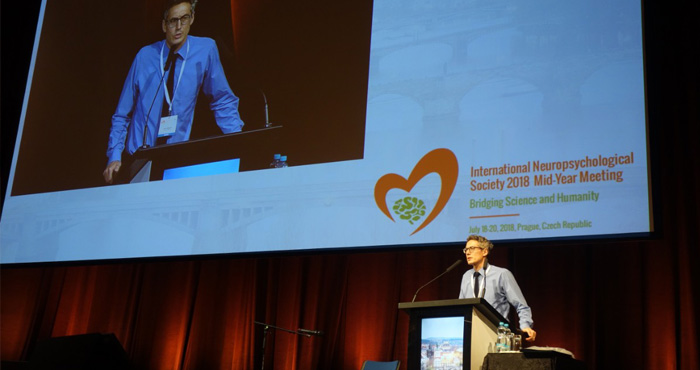
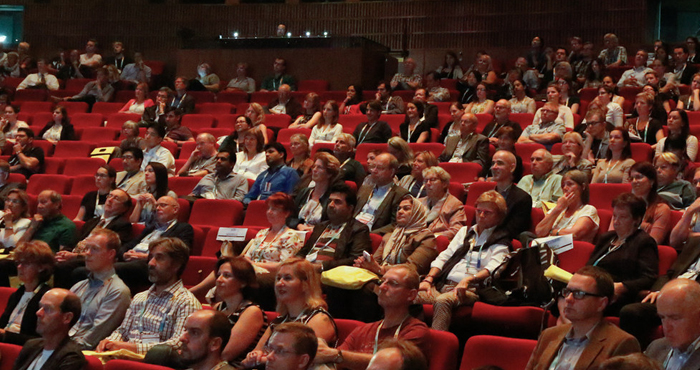
The International Neuropsychological Society’s 2018 mid-year meeting in Prague, held from 18 to 20 July, brought scientific advances into conversation with humane patient care. Its emphasis on neuroscience, culture and clinical practice creates a useful foundation for examining the relationship between mood and cognitive recovery after stroke.
Post-stroke depression is common, yet its presentation varies considerably. Persistent low mood and loss of interest may occur alongside apathy, irritability or emotional lability, while grief, fatigue and adjustment to disability can produce similar symptoms. Distinguishing these experiences supports appropriate treatment and prevents a person’s distress from being dismissed.
Neuropsychological correlates are associations rather than simple explanations. Disruption to frontal and limbic networks may influence emotional processing, but pain, medication effects, sleep disturbance and social isolation also matter. Assessment must therefore combine interview information with carefully selected cognitive measures rather than rely on a single score.
The clinical value of neuropsychology in stroke recovery lies in connecting these domains throughout rehabilitation. This wider view recognises recovery as a long-term process involving families, workplaces and communities, not simply the resolution of acute medical symptoms.
Mood, motivation and emotional control
The timing of mood symptoms can influence how they are interpreted. A transient period of sadness shortly after stroke may differ from a sustained syndrome developing weeks or months later. Screening repeated through rehabilitation is therefore more informative than a single assessment near admission.
Apathy also requires careful consideration. Reduced initiation, slowed responses and diminished engagement can result from depression, frontal injury, fatigue or medication effects. Patients who appear unmotivated may be experiencing several overlapping difficulties that need separate treatment goals.
Cognitive networks and performance
Executive difficulties, such as impaired planning, cognitive flexibility and inhibition, often accompany depressive symptoms after stroke. These functions depend partly on the same frontostriatal networks involved in emotional regulation, providing a plausible neurological basis for their relationship.
That relationship is not uniform, however. Lesion location, stroke severity, premorbid mental health and educational background can all affect performance. Memory, language and processing speed should be measured with suitable cultural and language adaptations rather than treated as direct markers of mood.
Clinical assessment and differential diagnosis
Brief measures can help identify depressive symptoms and track change, but they cannot establish a diagnosis on their own. A clinical interview should explore duration, intensity, daily functioning, sleep, appetite, pleasure, energy and thoughts of self-harm or suicide. Neurocognitive findings add context to this account.
Differential diagnosis is equally important. Medication effects, adjustment to disability, bereavement, mania and delirium may resemble or coexist with depression. Sudden changes in mood or cognition warrant prompt medical review rather than an immediate interpretation as a depressive episode.
Measuring change across rehabilitation
Repeated cognitive testing can reveal improvement, stability or deterioration, yet practice effects may inflate later scores. Alternative test forms, consistent intervals and measures sensitive to fatigue help preserve the meaning of follow-up assessments. Participation in daily activities provides an equally important indicator.
Mood and cognition should also be assessed together. Improvement on a questionnaire does not necessarily translate into better community engagement, while stronger cognitive performance may remain overshadowed by persistent distress. Treatment review should consider both symptom change and its effect on meaningful daily roles.
Culture, communication and identity
Cultural context shapes how distress is expressed, understood and reported. In Australian clinics, patients may say they feel “flat” or “not right” rather than describing themselves as depressed. Exploring the meaning of those expressions avoids relying on a diagnostic label alone.
Professional interpreters should be used when language is not adequately shared. For Aboriginal and Torres Strait Islander patients, culturally safe assessment may involve family, community members and Indigenous health professionals. This supports a fuller account of wellbeing without assuming that symptoms or recovery goals are identical across individuals.
Australian care pathways
Access to psychological care commonly begins with a general practitioner and may involve public rehabilitation services, private psychologists or eligible Medicare rebates. Coordination between acute stroke units, community teams and primary care is essential because depressive symptoms often emerge after discharge, when formal rehabilitation has ended.
Geography creates further differences. Outside metropolitan areas, travel distances can make outpatient follow-up difficult, making telehealth and locally delivered rehabilitation particularly valuable. Licensing and driving requirements also vary by state and territory, so clinicians should check local rules when mood, attention or fatigue affects road safety.
Supporting lasting recovery
Psychological care should address sleep, pain, communication, social connection and activity loss alongside mood symptoms. Goals need to reflect the person’s priorities, whether those involve return to work, caring responsibilities, community participation or independent living. Family education can help relatives distinguish support from pressure to “try harder”.
An effective neuropsychological assessment does more than label a condition. It identifies how cognitive, emotional and social factors interact, clarifies barriers to participation and directs practical support. This comprehensive approach gives rehabilitation teams a stronger basis for helping people build a meaningful life after stroke.
General Information
Important information about the meetingIndustry
Support and exhibition opportunitiesCzech Republic
Beautiful country situated in the very heart of EuropeContact
How can we help you?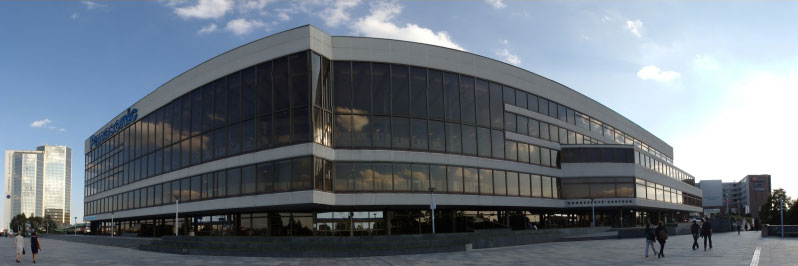
Prague Congress Centre (KCP)
5.května 65140 21 Prague 4
Czech Republic
Phone: +420 261 171 111
Website: www.kcp.cz