



Intelligence and cognitive training outcomes
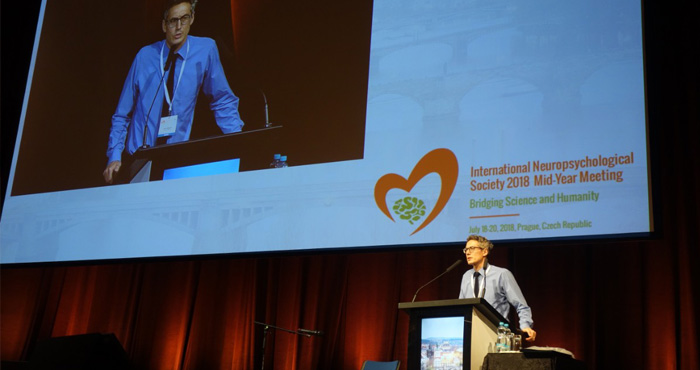
INS 2018 brought neuropsychologists to Prague from 18–20 July 2018, with posters, workshops and clinical sessions linking laboratory science to humane care. Against that setting, the influence of intelligence on cognitive training outcomes helps explain why people with similar training histories can respond differently.
Intelligence is not one fixed trait. Studies may draw on fluid reasoning, crystallised knowledge, processing speed, working memory or composite scores, while training may target attention, memory or executive control. Each pairing creates a different test of learning, transfer and neuroplasticity.
Baseline ability can affect initial performance, strategy choice, persistence and the practice needed to master a task. It can also influence how gains appear on familiar tests, so a post-training score change may reflect measurement sensitivity rather than broad functional improvement.
For Australian participants and clinicians, this matters because services must interpret progress without equating higher scores with greater intelligence. Culture, language, education, health and access shape assessment and response, making inclusive design and transparent outcome reporting essential.
Cognitive ability and neuroplasticity
Cognitive reserve describes the accumulated knowledge and coping strategies that help people manage neurological demands. It varies with education, occupation, health and cultural experience. Training may build specific skills more readily when a person can connect new material to established knowledge, but reserve also changes the meaning of errors and independence.
The relationship is not simply more intelligence leading to more benefit. Strong baseline performance can create ceiling effects, whereas lower starting scores may reveal larger absolute gains alongside greater difficulty learning the method. Motivation, fatigue, mood, sleep and metacognitive insight often explain variation that ability scores alone cannot.
Training design and measurement
Working-memory drills, strategy coaching, attention exercises and task-specific practice engage different mechanisms. An aptitude–treatment interaction can occur when learners with greater prior knowledge acquire rules faster, use cues more efficiently or transfer strategies to unfamiliar situations.
Outcomes should separate near transfer, meaning improvement on the practised task, from far transfer to daily activities. Ecological outcomes such as medication management, work performance or social participation may matter more to a person than a laboratory gain, yet they require longer follow-up and appropriately matched measures.
Prague’s INS 2018 programme also recognised that evidence grows through conversation: its social events and receptions gave delegates space to compare methods and build collaborations. Such exchange can reveal which measures are meaningful across settings and patient groups.
Culture, prediction and clinical care
Cultural context can influence familiarity with test instructions, educational material and feedback styles. A person may reason efficiently yet appear slow in a second language, or excel in verbally based tasks but struggle with spatial formats. Clinicians should examine item content, language and prior exposure before attributing a response to cognitive limitation.
Prediction tools can organise this complexity without removing judgement. In oncology, predicting outcomes with machine learning shows how large datasets can support prognostic stratification, while the same need for validation, interpretability and fairness applies when estimating who is likely to benefit from cognitive training.
Delivery across Australian communities
Australia’s cities offer varied testing conditions. Sydney services often work with culturally and linguistically diverse communities; Melbourne’s tram-based commuting can make group delivery near transport hubs practical; and community centres or public libraries provide familiar places for weekly skills sessions and peer support.
The market mixes public memory services, university clinics, private practitioners and consumer brain-training apps, so quality and evidence can vary widely. Under the Privacy Act 1988 (Cth), health information requires responsible handling, and providers delivering supports under the National Disability Insurance Scheme Act 2013 (Cth) must connect training goals to eligible participant needs.
Practical adaptation includes bilingual materials, flexible telehealth, accessible venues and routines that fit work, school and public transport schedules. Baseline assessment should also consider hearing, vision, mood and sleep, which routinely affect performance but may be mistaken for weak training response.
Recommendations for reliable programs
A sound programme uses intelligence testing as one source of information rather than a gatekeeper. The following measures make outcomes more interpretable, equitable and useful to participants, families and referring clinicians.
- Establish a baseline across relevant abilities using culturally and linguistically appropriate measures.
- Match the task to the person’s goals, including everyday function rather than test scores alone.
- Record adherence, practice dose, strategy use and confidence changes alongside performance.
- Compare gains with appropriate goals while monitoring for ceiling, floor and practice effects.
- Schedule follow-up to determine whether learning persists and transfers beyond trained tasks.
- Report subgroup results and adaptations without presenting group averages as individual predictions.
Training works best when progress is judged by meaningful change, not by conformity to a single cognitive profile. Intelligence may shape the route through training, yet motivation, appropriate challenge, cultural fit and sustained practice can alter the destination.
General Information
Important information about the meetingIndustry
Support and exhibition opportunitiesCzech Republic
Beautiful country situated in the very heart of EuropeContact
How can we help you?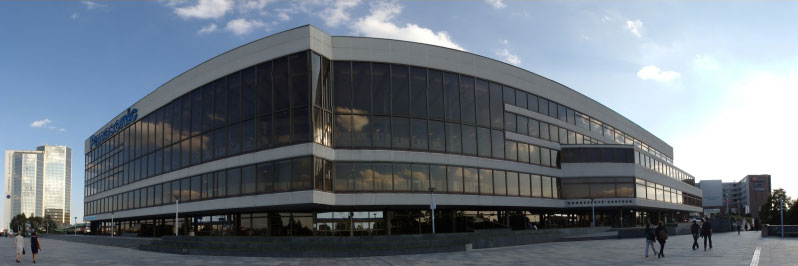
Prague Congress Centre (KCP)
5.května 65140 21 Prague 4
Czech Republic
Phone: +420 261 171 111
Website: www.kcp.cz