


Aerobic Exercise, the Hippocampus and Memory
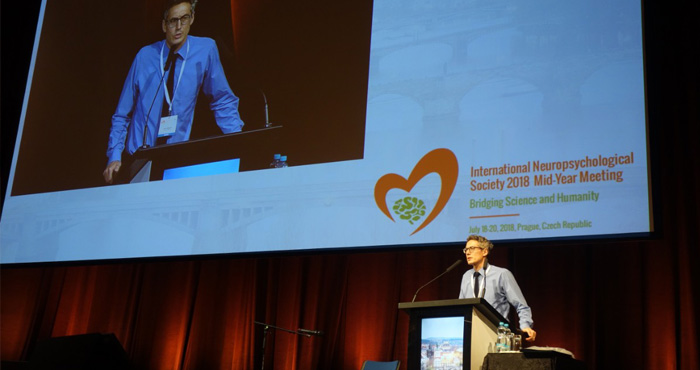
At the INS 2018 mid-year meeting in Prague in July, researchers and clinicians explored how neuroscience can improve humane patient care. A focused question follows: what happens to hippocampal structure and memory when people begin or increase aerobic exercise, and how can that evidence be used responsibly? Learn more about リウマチ性疾患の予防接種における医療者向けチェックリスト.
Aerobic exercise supports brain health through vascular, metabolic and molecular pathways, including increased cerebral blood flow and neurotrophic signalling. The practical message is more measured: cardio does not create a new hippocampus overnight; consistent activity can support memory and may slow age-related hippocampal atrophy.
What aerobic exercise may change
Regular sessions that raise heart rate appear particularly helpful for hippocampal health. Animal work links exercise with neurogenesis, synaptic plasticity and brain-derived neurotrophic factor; human studies report better cerebral blood flow and altered neurotrophin levels. Adult human neurogenesis remains difficult to verify directly, so these mechanisms are plausible contributors rather than a complete explanation.
Structural findings are generally modest, and responses vary with age, baseline fitness, genetics and training duration. Benefits are clearer in some older adults and people with impairments than in healthy younger adults. Exercise also supports mood and sleep, which can improve memory independently.
How hippocampal volume is measured
Structural MRI is used to estimate hippocampal volume before and after training, often comparing aerobic exercise with stretching or another active control. Measurement depends on scanner quality, segmentation methods and participant movement. Since exercise transiently alters blood flow and fluid balance, scan timing and consistent protocols are essential.
Small group differences do not automatically predict an individual’s memory gain. Clinical interpretation should combine imaging with standardised cognitive testing, functional goals and the patient’s experience of recall. This is the value of research-to-clinic evidence: group findings require careful translation into treatment decisions.
What the memory results mean
Memory outcomes may include delayed recall, spatial navigation, verbal learning and executive control. Some trials find gains in tasks supported by the hippocampus, while others detect no structural change despite better cognition. Acute improvement during exercise can also differ from lasting change, so follow-up testing matters.
Education, mood, cardiovascular health and social engagement can influence results, and repeated tests create practice effects. Randomised trials reduce some uncertainty, but adherence, comparison activities and study duration still limit generalisation. Aerobic activity is therefore a supportive intervention for cognition, not a universal cognitive enhancer.
Choosing a practical training dose
Most guidelines point towards at least 150 minutes of moderate aerobic activity each week, or 75 minutes of vigorous activity, alongside strength training. For people with low baseline fitness, starting with shorter walks and gradual increases is more sustainable than immediately chasing the target.
Intensity can be judged by the talk test: moderate effort permits conversation, whereas vigorous effort makes speech difficult. Australian gym culture often calls the session “cardio”, while walking groups describe moderate effort as a “chatty pace”. Either label is useful only when linked to a measurable response such as heart rate, breathlessness or perceived exertion.
Individual history still matters. People managing rheumatic disease, diabetes or cardiac conditions may need medical review before changing activity. Where immune suppression or vaccination timing is relevant, clinicians can use a rheumatic disease prevention checklist to coordinate exercise, treatment and infection-prevention advice.
Clinical judgement and safety
An MRI result should not override chest pain, fainting, severe breathlessness or new neurological deficits. Preexercise screening should be proportionate, and stable patients may begin light activity without extensive testing. Coordination between neuropsychologists, GPs, exercise physiologists and other specialists is more useful than relying on a scan alone.
Concussion care provides a particularly clear example of staged loading. Someone recovering from head injury may tolerate walking before high-intensity sport, and symptom responses should guide progression rather than a fixed timetable. Clinicians can consult a post-concussion return-to-play protocol when considering aerobic work, balance testing and graded reintegration into play.
Regular review helps clinicians adjust the programme for fatigue, pain, sleep disturbance and medication changes. It also makes the research outcome meaningful: better hippocampal volume is a biological signal, whereas safer daily functioning is the clinical goal.
Aerobic exercise in Australian life
Australian routines offer many ways to move. Melbourne’s Yarra River path, Sydney’s Bondi to Coogee coastal walk and Canberra’s Lake Burley Griffin circuit make aerobic activity social and practical. Community walking groups and local gyms provide different formats, so participation need not depend on being fit enough for a class.
Climate shapes the plan. Summer heat and high UV can make early-morning or indoor cycling safer, while cooler months suit longer walks. The familiar goal of “getting the steps in” can motivate activity, but it works best when translated into a comfortable, repeatable routine rather than a punitive target.
Funding also affects access. Medicare rebates generally apply to medical consultations, while exercise physiology or gym programmes may be partly covered by private health insurance or paid directly. Checking rebates, provider qualifications and community programmes helps families avoid unexpected costs, particularly in regional areas.
Translating evidence into care
The value of the INS meeting was its attempt to connect scientific advances with clinical reality. For exercise and memory, that means presenting imaging and trial results alongside adherence, cultural preferences, safety and individual priorities. An assessment that only asks for a scan misses most of what determines whether a programme works.
Used with judgement, aerobic training is a credible brain-health strategy: it can support hippocampal structure and memory in some groups, particularly when activity is progressive and sustained. Its strongest clinical value lies in combining a measurable biological response with better everyday cognitive function.
General Information
Important information about the meetingIndustry
Support and exhibition opportunitiesCzech Republic
Beautiful country situated in the very heart of EuropeContact
How can we help you?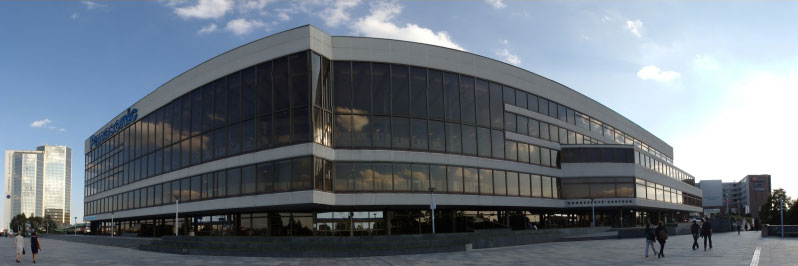
Prague Congress Centre (KCP)
5.května 65140 21 Prague 4
Czech Republic
Phone: +420 261 171 111
Website: www.kcp.cz