



From Neuroscience Discovery to Better Patient Care
Neuropsychology sits between experimental science and everyday clinical decisions. Researchers investigate memory, attention, language, emotion, and brain networks under carefully controlled conditions, while clinicians work with people whose symptoms are shaped by health, identity, environment, and personal history.
How Neuropsychology Bridges the Gap Between Lab and Clinic depends on translating findings without stripping away their meaning. A laboratory task becomes useful when it clarifies a patient’s difficulties, informs rehabilitation, or helps families and professionals make sensible decisions.
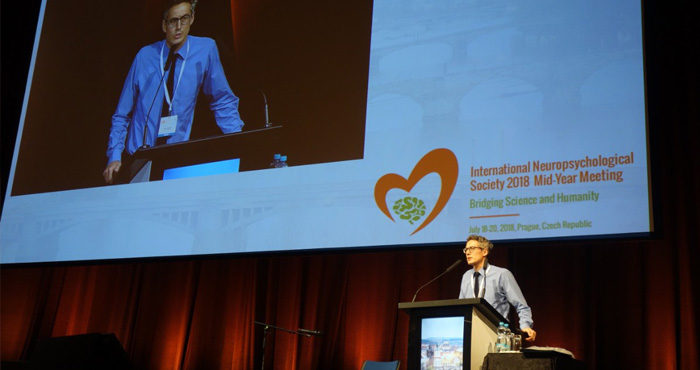
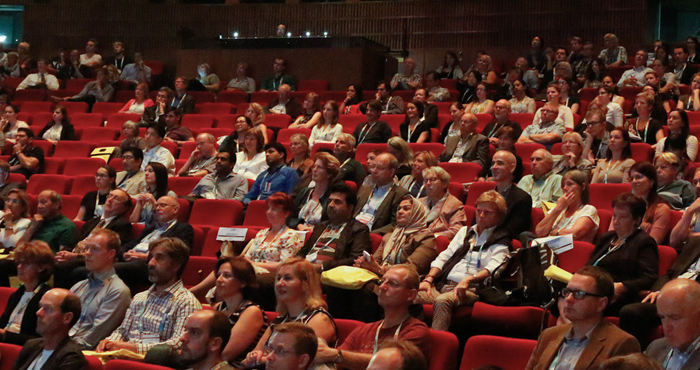
The 2018 International Neuropsychological Society mid-year meeting in Prague reflected this purpose. Its program connected neuroscience, assessment, cultural considerations, humane care, and clinical practice, showing that scientific progress gains value when it can be applied responsibly.
From Discovery To Diagnosis
Laboratory studies provide controlled ways to examine cognitive processes. Researchers can isolate working memory, inhibitory control, processing speed, or social cognition and compare performance across groups. These methods help identify mechanisms that may be obscured in ordinary clinical settings.
Clinical neuropsychologists, however, rarely encounter isolated mechanisms. A person may have sleep difficulties, medication effects, anxiety, language differences, or a complex medical history alongside a suspected neurological condition. Translational neuropsychology therefore requires interpretation: test results must be connected to functioning in school, employment, relationships, and independent living.
Measures That Matter Clinically
A strong assessment tool needs more than statistical reliability. It should offer ecological validity, meaning that its results relate to behavior outside the testing room. A small difference on a computerized task may be scientifically interesting, yet its clinical importance depends on whether it predicts missed appointments, unsafe driving, forgotten instructions, or difficulty returning to work.
Clinicians also weigh base rates, premorbid ability, education, cultural background, and the quality of available norms. This protects patients from being judged by narrow standards. The best evidence supports professional reasoning rather than replacing it with a single score or automated classification.
A Shared Language Across Settings
Researchers and practitioners can collaborate by defining outcomes in terms that both groups recognize. Instead of describing a treatment only through changes in a laboratory measure, a study might track medication adherence, participation in therapy, caregiver burden, or successful use of compensatory strategies.
| Laboratory emphasis | Clinical translation | Patient value |
|---|---|---|
| Experimental control | Clear interpretation of cognitive mechanisms | More precise explanations |
| Standardized tasks | Consistent assessment across visits | Reliable monitoring |
| Neural biomarkers | Support for differential diagnosis | Earlier or better-targeted care |
| Group-level findings | Individual formulation and treatment planning | Recommendations suited to daily life |
| Repeated measurements | Tracking change over time | Evidence that rehabilitation is helping |
Conferences help build this shared language by placing basic scientists, clinicians, trainees, and service users in the same professional conversation. The Prague meeting guide associated with INS 2018 also emphasized the practical setting in which scientific exchange took place, connecting an international program with the cultural and logistical realities of patient-centered work.
Turning Evidence Into Intervention
Translation becomes visible in rehabilitation. Findings about neuroplasticity, executive functioning, or memory systems can guide structured practice, environmental supports, metacognitive training, and caregiver education. The intervention must then be adjusted according to fatigue, motivation, sensory limitations, and the patient’s goals.
This process is reciprocal. Clinical observations can expose weaknesses in laboratory models and inspire new research questions. If a promising intervention works under controlled conditions but fails in a busy home environment, that result is valuable evidence. It points researchers toward more realistic tasks, longer follow-up periods, and outcomes that capture meaningful participation.
Culture, Context, And Humane Care
Cultural context influences communication, educational opportunity, symptom expression, family roles, and attitudes toward disability. Neuropsychological norms developed in one population may not transfer cleanly to another. Language proficiency and culturally familiar problem-solving styles can affect performance without indicating brain dysfunction.
Humane care keeps these limitations in view. Patients should receive understandable explanations, respectful feedback, and recommendations that fit their resources. A technically impressive assessment has limited value if it increases stigma, ignores family priorities, or produces advice that cannot be implemented in the person’s community.
Practices That Strengthen Translation
Bridging research and service delivery is an ongoing discipline rather than a single step. Teams can make the connection stronger by building clinical relevance into study design and bringing real-world constraints into scientific discussion.
- Define outcomes that reflect daily functioning as well as test performance.
- Report limitations involving age, language, culture, education, and comorbidity.
- Include clinicians and people with lived experience when selecting research questions.
- Use repeated assessment to distinguish genuine change from ordinary score variation.
- Explain findings in plain language and connect them to practical recommendations.
Continuing education, workshops, poster sessions, and multidisciplinary meetings support this cycle. They give professionals opportunities to examine emerging evidence, question established assumptions, and refine methods before they reach routine practice.
The lasting value of neuropsychology lies in this two-way movement between discovery and care. Explore the INS 2018 program and its Prague resources to see how scientific advances, clinical judgment, cultural awareness, and patient dignity can inform one another in practice.
General Information
Important information about the meetingIndustry
Support and exhibition opportunitiesCzech Republic
Beautiful country situated in the very heart of EuropeContact
How can we help you?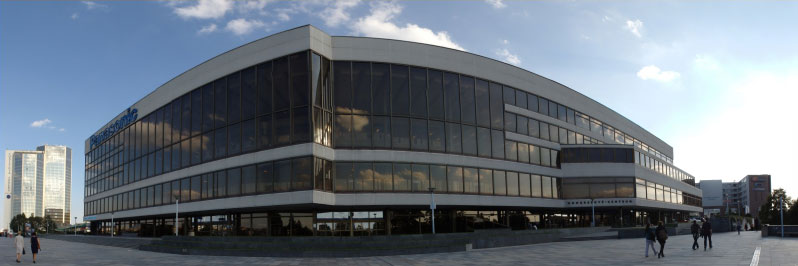
Prague Congress Centre (KCP)
5.května 65140 21 Prague 4
Czech Republic
Phone: +420 261 171 111
Website: www.kcp.cz