




Post-Concussion Syndrome And Safe Return To Play
Post-Concussion Syndrome: Evidence-Based Return-to-Play Protocols depend on careful assessment, symptom tracking, and a gradual increase in physical and cognitive demand. A concussion is a mild traumatic brain injury, yet recovery can vary widely. Headache, dizziness, fatigue, visual discomfort, slowed thinking, sleep disruption, and mood changes may continue after the initial injury.
A safe sports clearance process should protect the athlete without imposing unnecessary inactivity. Current practice favors brief relative rest followed by controlled activity below the level that worsens symptoms. The athlete should progress because tolerance is improving, not because a fixed number of days has passed.
Neuropsychological testing can add useful information about attention, memory, processing speed, emotional adjustment, and everyday function. It should support clinical judgment rather than serve as the sole basis for a return-to-play decision. This patient-centered approach reflects the wider relationship between neuroscience, humane care, and clinical practice.
Recognizing Persistent Concussion Symptoms
Post-concussion symptoms may fluctuate with exertion, screen use, classroom work, travel, or poor sleep. An athlete who feels well at rest may still develop a headache during running or become unusually slow during complex drills. Coaches, parents, teachers, athletic trainers, and clinicians should compare current function with the person’s baseline.
Urgent medical evaluation is needed for worsening or severe headache, repeated vomiting, increasing confusion, seizure, unusual drowsiness, weakness, slurred speech, unequal pupils, or deteriorating coordination. These signs may indicate a more serious brain injury and should never be managed through a routine sports progression.
Building A Reliable Clinical Assessment
The initial evaluation should document the injury mechanism, immediate symptoms, loss of consciousness if present, amnesia, prior concussions, migraine history, learning needs, mental health, sleep, medications, and current demands. A focused neurological examination and balance assessment help identify risks that a symptom checklist may miss.
Recovery is also shaped by context. Cultural expectations, language, access to care, family beliefs, and pressure to return can influence reporting and adherence. Neuropsychologists can help translate test findings into practical recommendations, much as broader clinical work demonstrates in Parkinson’s care, where cognition, behavior, and daily functioning must be considered together.
Using A Graduated Return-To-Play Progression
After 24–48 hours of relative rest, an athlete can usually begin light activity that does not substantially increase symptoms. Each stage should last at least 24 hours, with medical supervision before unrestricted contact practice and competition. If symptoms return, the athlete should stop, recover, and resume at the last tolerated stage.
| Stage | Activity | Advancement Standard |
|---|---|---|
| 1 | Daily activities and symptom-limited rest | Symptoms stable with ordinary tasks |
| 2 | Light aerobic exercise, such as walking or easy cycling | No meaningful symptom increase |
| 3 | Moderate sport-specific exercise without head impact | Normal coordination and tolerance |
| 4 | Non-contact training, including resistance work | Full-speed practice tolerated |
| 5 | Controlled-contact practice after medical clearance | No symptoms during or after practice |
| 6 | Return to competition | Clinician authorizes unrestricted play |
The progression is not a fitness test. Exercise intensity, duration, and complexity should rise separately when necessary. A symptom increase that is brief and mild may require a pause or reduction, while persistent or substantial worsening calls for clinical reassessment.
Coordinating Return To Learn And Daily Life
Academic and occupational demands should be restored alongside physical activity. Temporary adjustments may include reduced screen exposure, extra breaks, shortened assignments, quiet testing areas, delayed examinations, or a later start to the school day. These supports should be reviewed regularly and reduced as function improves.
Sleep regularity, hydration, nutrition, and manageable stress are practical parts of rehabilitation. Excessive isolation can worsen mood and deconditioning, while unrestricted training can prolong symptoms. A coordinated plan gives the athlete clear expectations and prevents conflicting instructions from family members, coaches, and clinicians.
Managing Risk Factors And Complications
A history of multiple concussions, prolonged symptoms, migraine, vestibular problems, visual dysfunction, anxiety, depression, attention difficulties, or sleep disorders may justify a slower progression and specialist referral. Persistent dizziness may benefit from vestibular therapy; neck pain may require cervical assessment; exertional headache may need a targeted medical workup.
Return to contact sport should be individualized, especially when symptoms remain active or the injury history is complex. Neuropsychological results should be interpreted with attention to language, education, cultural background, effort, and premorbid abilities. A normal score does not erase ongoing symptoms, and an abnormal score does not automatically determine retirement from sport.
Making The Protocol Practical
Clear written instructions improve adherence. Families and teams can record symptoms, exertion, sleep, school performance, and recovery time after each activity. Planning calm recovery periods is useful, and a pleasant environment can support engagement; even Prague’s coffee culture illustrates how social breaks can be structured around restoration rather than relentless activity.
Useful safeguards include:
- Name one clinician responsible for approving each progression.
- Keep contact practice and competition off-limits until formal clearance.
- Pair symptom reports with observed balance, behavior, and school performance.
- Reassess promptly when symptoms worsen, change character, or persist.
- Provide written emergency instructions to caregivers and coaching staff.
A return-to-play protocol works best as a flexible clinical pathway rather than a checklist completed under pressure. Use symptom-guided progression, coordinated academic support, and individualized neuropsychological input to protect recovery while restoring meaningful participation in sport.
General Information
Important information about the meetingIndustry
Support and exhibition opportunitiesCzech Republic
Beautiful country situated in the very heart of EuropeContact
How can we help you?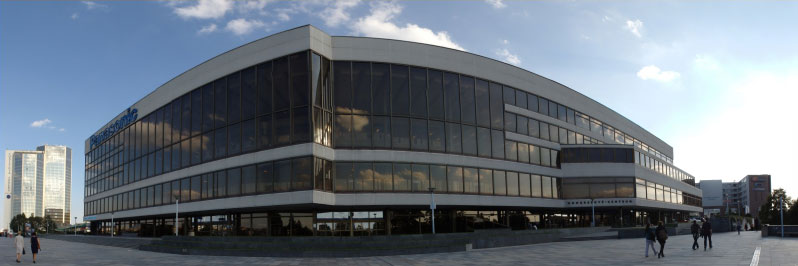
Prague Congress Centre (KCP)
5.května 65140 21 Prague 4
Czech Republic
Phone: +420 261 171 111
Website: www.kcp.cz