



Telehealth neuropsychology for rural stroke survivors
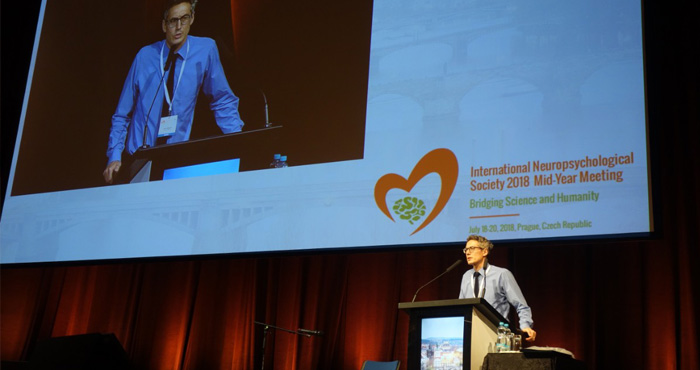
The INS 2018 meeting in Prague linked scientific advances with humane patient care. That principle applies to telehealth neuropsychological services for rural stroke survivors: specialist expertise can reach people without easy hospital access. Remote assessment can clarify cognitive change, direct rehabilitation and reduce travel burdens.
Rural access is uneven. In towns such as Dubbo, Wagga Wagga and Alice Springs, travel to metropolitan hospitals can mean overnight stays and missed appointments. Remote consultations cannot remove every barrier, but they make specialist review more attainable during stroke recovery.
Medicare supports eligible telehealth consultations, while internet, equipment and governance determine whether they work in practice. Consent should account for hearing loss, aphasia, fatigue and cognitive impairment, with alternatives when video is unsuitable.
Effective care combines assessment with a usable plan. Local rehabilitation staff can repeat strategies between appointments, while standardised measures help clinicians judge change over time. Expertise travels without removing local relationships that sustain recovery.
Defining the remote consultation
Before a remote session, confirm the referral question, stroke details, medication, seizure history and rehabilitation goals. Telephone triage should identify fatigue, hearing difficulty, language needs and ability to use the technology. Sudden neurological deterioration requires urgent medical assessment, not a neuropsychology appointment.
Plan who administers tests, observes fatigue and provides technical support. Clinicians can consult the AIC 2017 meeting for professional learning, then adapt relevant material through local supervision and telehealth policies.
Designing culturally responsive assessments
Aboriginal and Torres Strait Islander patients may need assessment that recognises preferred language, community responsibilities and experiences of healthcare. With consent, involving Aboriginal health workers can support explanation and shared decisions. Arrange professional interpreters, including Auslan interpreters for Deaf patients, rather than asking relatives to interpret complex material.
Allow breaks for fatigue and involve a support person chosen by the patient. Combine standardised measures with occupational therapy observations and functional goals such as managing finances, using public transport or returning to work.
Selecting and interpreting cognitive measures
Remote testing depends on the task. Verbal measures work by telephone, while tasks involving visual stimuli, writing or timed motor responses need platform checks. Administrators should confirm sound quality, screen size and assistive devices support comparable testing conditions.
Cultural assumptions can influence results. An INS discussion of spatial navigation across cultures shows why clinicians should examine how tasks are experienced rather than treat performance as an individual deficit. Local work, travel and education patterns also shape everyday questions.
Comparing remote and in-person assessment
Remote and in-person appointments offer different advantages, so delivery should follow clinical need.
| Feature | Remote delivery | In-person delivery |
|---|---|---|
| Setting | Patient’s home or local clinic | Specialist clinic or hospital |
| Scheduling | Flexible for rural patients | Travel or overnight stays may be required |
| Observation | Screen and audio limit visibility | Direct observation of movement and interaction |
| Materials | Shared digitally or mailed | Controlled test administration |
| Safety | Local backup and escalation required | Immediate clinical support on site |
A hybrid approach often balances access and observation. A video consultation at a local health service can preserve face-to-face interaction, while specialist interpretation and repeat testing occur remotely. People without reliable connectivity should retain a local pathway rather than being screened out of specialist care.
Connecting neuropsychology with regional care
Neuropsychological findings are most useful when they reach the treating team. Local physiotherapists, occupational therapists, speech pathologists, psychologists and GPs should receive concise recommendations and a reassessment plan. Remote clinicians can join rehabilitation meetings to discuss attention, memory or insight without another long trip.
The same principle appears in other complex specialties. INS material on surgical planning and outcomes offers a useful parallel: test results must influence multidisciplinary decisions, not sit in a separate report. In rural stroke care, this means coordinating medication review, driving advice, fatigue management and safe discharge planning.
A practical model for rural services
A workable rural service needs clear operating rules, not simply a video platform. The following measures support consistent access and safe assessment:
- Use one referral and triage process shared by regional stroke teams, rehabilitation services and telehealth coordinators.
- Offer video, telephone and supported local-clinic appointments according to clinical need and connectivity.
- Arrange professional interpreters and involve Aboriginal health workers when patients ask for this support.
- Reserve clinician-observed sessions for tasks that cannot be assessed reliably through a screen.
- Establish baseline measures and brief follow-ups linked to agreed rehabilitation goals.
- Maintain procedures for technical failure, urgent medical problems and emergency escalation.
- Document who delivers each component, supervises quality and requires a face-to-face review.
Assign responsibility for scheduling, supervision and escalation, with a named contact accessible to the patient and referring team.
Maintaining access, safety and quality
Quality assurance should combine clinical outcomes with access data. Monitor travel avoided, waiting times, attendance, patient experience and completion of follow-up plans, alongside test validity and adverse events. A clinical lead should review difficult cases and prevent screening results from being overinterpreted.
Access must remain sustainable. Medicare reimbursement, workforce supervision, equipment support and occasional visits shape whether a program survives beyond a pilot. Services can share protocols through state and territory networks, adapting them to local staffing and Aboriginal health partnerships. A shared referral pathway and an accessible contact give patients continuity while keeping local teams connected.
General Information
Important information about the meetingIndustry
Support and exhibition opportunitiesCzech Republic
Beautiful country situated in the very heart of EuropeContact
How can we help you?
Prague Congress Centre (KCP)
5.května 65140 21 Prague 4
Czech Republic
Phone: +420 261 171 111
Website: www.kcp.cz