




Neuropsychology in Epilepsy Surgery Planning and Outcomes
Epilepsy surgery planning depends on more than locating the brain region where seizures begin. Teams must also estimate how treatment may affect memory, language, attention, mood, identity, and everyday independence. Neuropsychological assessment gives these risks a clinical and human dimension.
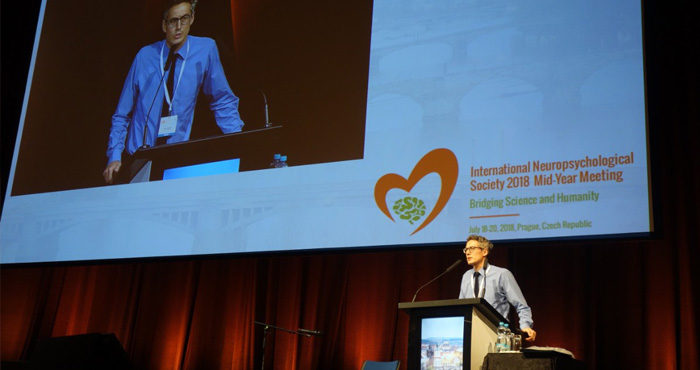
The International Neuropsychological Society’s 2018 mid-year meeting in Prague highlighted the value of connecting neuroscience with compassionate patient care. That perspective remains especially relevant when clinicians evaluate people whose seizures, medication effects, and developmental histories may already influence cognitive performance.
A careful assessment creates a baseline, informs surgical decisions, and provides a way to measure recovery over time. It also helps patients and families understand why a technically successful operation may have varied effects on daily life.
Cognitive Mapping Before Surgery
Preoperative neuropsychology typically examines verbal and visual memory, language, attention, processing speed, executive skills, and emotional functioning. The pattern matters more than any isolated score. For example, material-specific memory weakness may support hypotheses about temporal lobe dysfunction, while broader slowing may reflect medication burden, frequent seizures, fatigue, or disrupted sleep.
Assessment results are interpreted alongside seizure semiology, magnetic resonance imaging, electroencephalography, functional imaging, and sometimes invasive monitoring. Neuropsychological findings rarely determine eligibility alone, but they can reveal whether a proposed resection threatens a relatively preserved function or removes tissue that is already significantly compromised.
Translating Results Into Surgical Risk
The central clinical question is often whether the brain can reorganize a vulnerable function. Younger patients may show greater developmental plasticity, yet early-onset epilepsy can also interfere with learning across many years. Adults may have more stable cognitive patterns but less capacity to compensate after damage to language or memory networks.
Language-dominance testing, functional MRI, and the Wada procedure may complement neuropsychological data in selected cases. A patient with strong verbal memory and left temporal pathology may require especially detailed counseling about postoperative memory change. Conversely, a longstanding deficit can suggest that the affected network contributes less to current performance than imaging alone would imply.
Measuring Outcomes Beyond Seizure Control
Seizure freedom is a major outcome, but it does not capture the full impact of epilepsy surgery. Follow-up testing can identify gains in alertness, confidence, learning efficiency, and social participation after seizures decrease. It can also detect new weaknesses that require rehabilitation, compensatory strategies, or changes in education and employment planning.
Timing is important. Early postoperative fatigue, pain, medication adjustments, and temporary edema can depress scores. A later assessment provides a more stable view, while comparison with a reliable baseline helps distinguish genuine change from ordinary variability. Clinicians should interpret reliable change alongside the patient’s own report of functioning.
| Clinical element | Planning value | Outcome value |
|---|---|---|
| Memory profile | Estimates risk to verbal or visual learning systems | Tracks decline, stability, or compensatory improvement |
| Language assessment | Supports lateralization and resection counseling | Identifies naming or fluency changes requiring therapy |
| Executive functioning | Clarifies effects of seizures, medication, and network disruption | Measures return to complex daily activities |
| Emotional and behavioral review | Establishes psychiatric vulnerabilities and support needs | Monitors adjustment, independence, and quality of life |
| Ecological interview | Connects test scores with school, work, and home demands | Shows whether statistical change has practical meaning |
Developmental And Cultural Context
Children and adolescents require age-sensitive interpretation because epilepsy can alter academic progress, behavior, and social development. A stable test score may still represent an inadequate outcome if peers are advancing more quickly. Collaboration with schools and caregivers can translate findings into classroom accommodations and realistic rehabilitation targets.
Culture, language, education, and access to healthcare also affect test performance and recovery. Norms may not represent every patient fairly, particularly when an assessment is conducted in a second language. The humane approach is to consider linguistic history, culturally familiar problem-solving styles, socioeconomic pressures, and the patient’s goals rather than treating scores as context-free measurements.
The INS 2018 program’s emphasis on international exchange supports this broader view. Even a conference visit can encourage clinicians to connect specialist knowledge with the lived environments in which patients recover; practical Prague cultural tours reflected the meeting’s attention to place, access, and human experience.
Communicating Risk With Patients
Good counseling uses clear probabilities, individualized explanations, and time for questions during the clinical process rather than only immediately before surgery. Patients should hear what is known, what remains uncertain, and how monitoring or rehabilitation could address possible difficulties. Families may also need guidance about mood changes, seizure precautions, medication adherence, and return-to-work expectations.
Shared decision-making is particularly important when seizure reduction must be weighed against a possible cognitive cost. Neuropsychologists can explain test patterns in ordinary language, use functional examples, and invite patients to identify which abilities are most important to preserve. This strengthens informed consent and makes postoperative goals measurable.
Building A Longitudinal Care Pathway
The strongest programs treat neuropsychology as a continuing service rather than a single preoperative hurdle. Baseline testing, early review, later reassessment, and targeted rehabilitation create a record of changing strengths and needs. Digital cognitive tools, caregiver reports, and quality-of-life measures can add useful information when interpreted carefully.
Research in related neurological populations, including pediatric tumor research, also demonstrates why developmental stage, brain plasticity, and long-term participation deserve attention. These principles apply across conditions even when the underlying pathology differs.
Priorities For Clinical Practice
- Combine neuropsychological findings with imaging, seizure history, and functional mapping.
- Establish a dependable cognitive and emotional baseline before surgery.
- Explain likely benefits and risks through concrete everyday examples.
- Schedule follow-up at clinically meaningful intervals rather than relying on one early test.
- Include patients, families, schools, and rehabilitation professionals in outcome planning.
A thoughtful epilepsy surgery pathway measures more than the disappearance of seizures. It asks whether a person can learn, communicate, work, maintain relationships, and pursue valued activities with greater safety and independence. Explore the INS 2018 resources to connect advances in neuropsychology with patient-centered surgical care.
General Information
Important information about the meetingIndustry
Support and exhibition opportunitiesCzech Republic
Beautiful country situated in the very heart of EuropeContact
How can we help you?
Prague Congress Centre (KCP)
5.května 65140 21 Prague 4
Czech Republic
Phone: +420 261 171 111
Website: www.kcp.cz