



Cognitive Reserve And Post-Stroke Cognitive Recovery
A stroke can disrupt attention, memory, language, processing speed and executive function even when physical impairment appears mild. Recovery is shaped by lesion location, vascular health, mood, sleep and rehabilitation, yet another factor helps explain why people with similar injuries can have very different outcomes: cognitive reserve.
Cognitive reserve refers to the brain’s capacity to cope with pathology by using efficient networks, flexible strategies and alternative pathways. Education, occupational complexity, reading, social engagement and lifelong learning may contribute, although reserve is not a fixed personal score. For clinicians and families, the concept supports individualised care rather than assumptions based on age, schooling or an early test result.
How reserve influences the brain after stroke
People with greater reserve may compensate for damaged networks by recruiting neighbouring or opposite-hemisphere regions. They may also draw on established problem-solving habits, verbal knowledge or routines to complete everyday tasks. This can make impairment less visible during a brief consultation while difficulties emerge during multitasking, fatigue or unfamiliar situations.
Reserve does not prevent stroke-related injury. It may alter how symptoms appear and how quickly functional strategies are learned. A person who returns to conversation promptly may still struggle with medication schedules, online banking or navigating a busy shopping centre. Neuropsychological assessment therefore needs to examine real-world performance, not just isolated scores.
Assessment beyond a single test score
A careful assessment usually combines cognitive testing with medical history, premorbid abilities, interviews and observation. Clinicians consider language background, literacy, hearing, vision, sleep, depression, pain and medication effects. Comparing current performance with reliable estimates of previous functioning can reveal subtle decline in someone whose baseline abilities were high.
Cultural and linguistic factors matter throughout the process. An interpreter, culturally appropriate examples and time for family perspectives can improve validity, particularly for Aboriginal and Torres Strait Islander Australians and people from migrant communities. Guidance on culturally sensitive dementia care is also relevant when post-stroke changes overlap with ageing, memory loss or altered communication.
Rehabilitation that builds on strengths
Cognitive rehabilitation works best when goals are specific and meaningful. Therapy may target attention, working memory, planning, word finding or visual processing, while teaching compensatory methods such as written prompts, phone reminders and consistent storage places. Repetition helps, but tasks should gradually resemble the person’s home, workplace and community demands.
Australian services often combine speech pathology, occupational therapy, physiotherapy, psychology and medical follow-up. Access may differ between a tertiary hospital in Sydney or Melbourne and a regional service in Toowoomba, Mildura or Broome. Medicare-funded care, private health cover, public outpatient programs and telehealth can all influence how frequently rehabilitation is delivered.
Everyday environments shape recovery
Recovery continues outside the clinic. A quiet breakfast routine may support initiation, while a written checklist can reduce demands on executive function. Families can protect sleep, encourage safe physical activity and allow extra response time rather than completing every task for the survivor. Meaningful hobbies, community groups and graded return to work can stimulate cognition without creating constant overload.
Local customs and settings should be considered in practical planning. Catching a Melbourne tram, crossing a busy road in Brisbane or managing heat and long distances in regional Queensland may require different visual, attentional and endurance skills. Shared meals, weekend sport and regular contact with extended family can provide valuable social practice when participation is paced safely.
Reserve is changeable across the lifespan
Although early education and occupation contribute to reserve, adult experiences continue to matter. Learning an instrument, volunteering, reading, maintaining friendships and managing a new routine can strengthen confidence and strategy use. Vascular risk reduction is equally important: blood pressure control, diabetes management, smoking cessation, exercise and appropriate medication reduce the chance of another stroke.
Recovery can be uneven. Improvement may accelerate after the first weeks, then continue through months or years as networks reorganise and people discover effective methods. Fatigue, anxiety and low mood can temporarily reduce access to existing abilities, so a decline in performance does not automatically indicate new brain injury.
Applying the concept with clinical caution
Cognitive reserve should guide curiosity, not become a label that excuses unmet needs. High premorbid ability can mask impairment and delay support, while limited formal education does not mean limited capacity to recover. Clinicians should set goals around independence, safety and participation rather than comparing patients with population averages alone.
Differential diagnosis also requires care when cognitive symptoms have multiple possible causes. Sleep apnoea, depression, medication effects, recurrent vascular events and neurodegenerative disease may coexist after stroke. In cases involving previous head trauma, specialist discussion of chronic traumatic encephalopathy can help place neuropsychological findings in a broader context, while avoiding conclusions based on symptoms alone. Recovery is most promising when assessment, culturally safe communication and practical rehabilitation remain connected to the person’s own life.
General Information
Important information about the meetingIndustry
Support and exhibition opportunitiesCzech Republic
Beautiful country situated in the very heart of EuropeContact
How can we help you?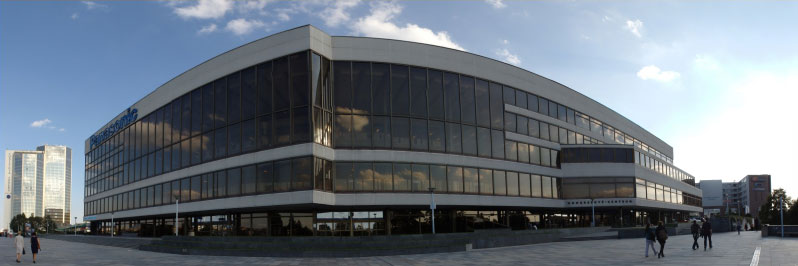
Prague Congress Centre (KCP)
5.května 65140 21 Prague 4
Czech Republic
Phone: +420 261 171 111
Website: www.kcp.cz