



Cultural sensitivity in dementia care across cultures
Dementia changes memory, judgment, communication, and independence, but it does not erase a person’s identity. That identity is shaped by language, faith, family roles, migration history, food traditions, and beliefs about illness. Effective support therefore requires clinical knowledge alongside curiosity about each individual’s life and community.
Cultural sensitivity in dementia care means recognizing how culture influences symptom expression, help-seeking, decision-making, caregiving, and trust in health services. It does not mean assuming that every member of a cultural group shares the same preferences. Instead, practitioners should explore personal values without stereotyping.
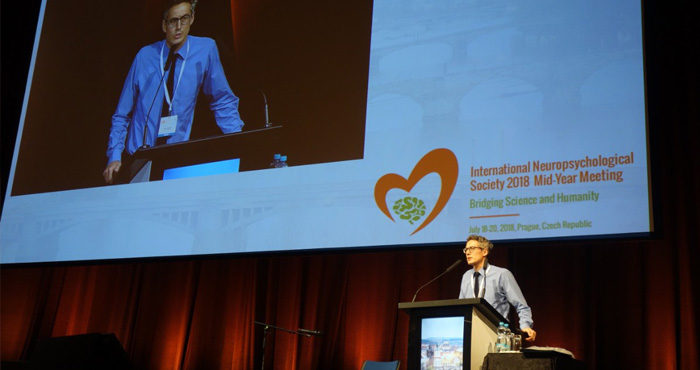
The 2018 International Neuropsychological Society mid-year meeting in Prague placed scientific progress alongside humane clinical practice. The INS 2018 meeting site remains a useful reference point for understanding that broader emphasis on neuropsychology, patient care, education, and cross-cultural perspectives.
Why culture shapes the clinical picture
Memory loss and behavioral changes may be described differently across communities. A family may speak of forgetfulness as normal aging, a spiritual problem, a family matter, or a source of shame. Some people may report physical symptoms rather than mood changes, while others may avoid discussing confusion because dementia is associated with stigma.
Cultural expectations also influence when a person seeks an assessment. In some families, relatives manage care privately until safety concerns become urgent. In others, a diagnosis is pursued early to support planning. Clinicians who ask how the family understands the changes can distinguish cultural beliefs from barriers such as limited transport, language access, cost, or previous discrimination.
Make assessment linguistically and culturally responsive
A reliable cognitive evaluation depends on communication. Testing in a second language, using unfamiliar educational assumptions, or overlooking differences in literacy can produce misleading results. Whenever possible, assessment should be conducted in the person’s strongest language by a qualified professional, with interpreters used when needed.
An interpreter should translate accurately rather than summarize, coach, or answer for the patient. Clinicians should document language history, schooling, occupation, country of origin, acculturation, and exposure to more than one language. Normative data must also be considered carefully, especially when tools were developed for populations unlike the person being assessed.
Build trust through respectful communication
Trust grows when professionals explain dementia in plain language and make room for the family’s understanding of the condition. Terms such as “brain disease,” “memory disorder,” or a culturally familiar expression may carry different emotional meanings. Asking what the diagnosis means to the patient can reveal fears, expectations, and preferred ways of receiving information.
Consent and confidentiality require particular care when relatives interpret or dominate a conversation. The patient should be addressed directly and given time to express preferences. Clinicians can ask who should receive information, who participates in decisions, and whether the person wants family members involved in every stage of care.
| Care area | Potential cultural influence | Respectful clinical response |
|---|---|---|
| Symptom reporting | Distress may be expressed through bodily complaints or indirect language | Ask about physical, emotional, cognitive, and social changes |
| Family involvement | Relatives may expect collective decision-making | Establish the patient’s wishes and preferred decision-makers |
| Daily care | Food, privacy, gender roles, and religious practices may affect routines | Incorporate preferences into bathing, meals, medication, and activities |
| Treatment beliefs | Dementia may be linked to aging, spirituality, or stigma | Explain medical options without dismissing existing beliefs |
| Service access | Language, transport, cost, and mistrust may delay support | Offer interpreters, culturally relevant resources, and practical navigation |
Include families without losing the person
Family caregivers often provide essential history and daily support. Their knowledge can clarify changes that are difficult to observe in a short appointment. However, family involvement should complement the patient’s voice rather than replace it, particularly when the patient retains decision-making capacity.
Care plans should acknowledge household structure and caregiving expectations. A daughter, spouse, adult grandchild, or community member may have a central role, yet that role can create emotional and financial strain. Discussing respite, home support, advance planning, and caregiver education in culturally appropriate language makes services more usable.
Connect care with community and belief
Culturally responsive dementia services can involve faith leaders, senior associations, community health workers, cultural organizations, and multilingual support groups. These partnerships may reduce isolation and make education more credible. They can also help clinicians understand local beliefs without treating one community representative as an expert on every family.
Care should address practical routines as well as medical treatment. Familiar music, foods, celebrations, prayer practices, and forms of social contact may support comfort and orientation. Safety planning should respect autonomy while considering crowded homes, shared bedrooms, neighborhood familiarity, and expectations about supervision.
The INS meeting’s educational focus also reminds professionals that lifelong learning matters. Resources on continuing education credits can support clinicians who want to strengthen neuropsychological assessment, communication, and culturally informed practice.
Practical habits for inclusive dementia services
Cultural humility is an ongoing discipline rather than a checklist. Professionals should notice their assumptions, seek feedback, and adapt services when patients explain that a standard approach does not fit. A brief, respectful question can prevent an incorrect interpretation of behavior or a care plan that families cannot follow.
Useful habits include:
- Ask what the patient and family believe is happening before explaining a diagnosis.
- Record preferred language, communication style, faith practices, and decision-making preferences.
- Use trained interpreters and culturally appropriate assessment materials whenever available.
- Avoid treating family customs as fixed; confirm each person’s individual wishes.
- Review access barriers, caregiver strain, and community resources at every major care transition.
Dementia care becomes more humane and clinically accurate when culture is treated as part of the person’s health history, not as an afterthought. Apply these principles in assessment, conversations, treatment planning, and caregiver support so every patient receives care that respects identity, dignity, and choice.
General Information
Important information about the meetingIndustry
Support and exhibition opportunitiesCzech Republic
Beautiful country situated in the very heart of EuropeContact
How can we help you?
Prague Congress Centre (KCP)
5.května 65140 21 Prague 4
Czech Republic
Phone: +420 261 171 111
Website: www.kcp.cz