




Apolipoprotein E And Cognitive Aging Across Populations
Apolipoprotein E, commonly called ApoE, helps transport cholesterol and other lipids throughout the brain and body. Its genetic variants are among the best-studied influences on late-life memory, Alzheimer’s disease risk and resilience, yet they do not determine an individual’s future. Cognitive ageing reflects an interaction between genes, vascular health, education, lifestyle, environment and access to care.
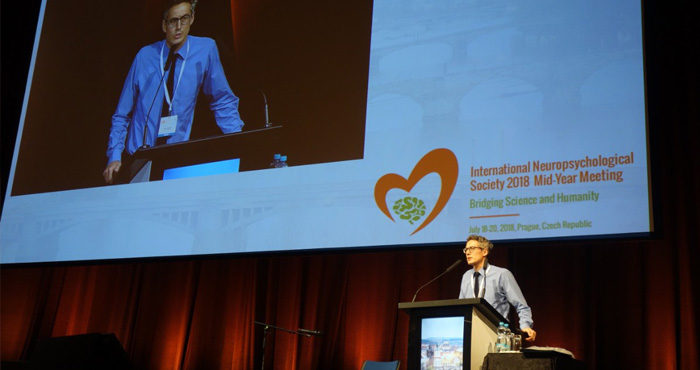
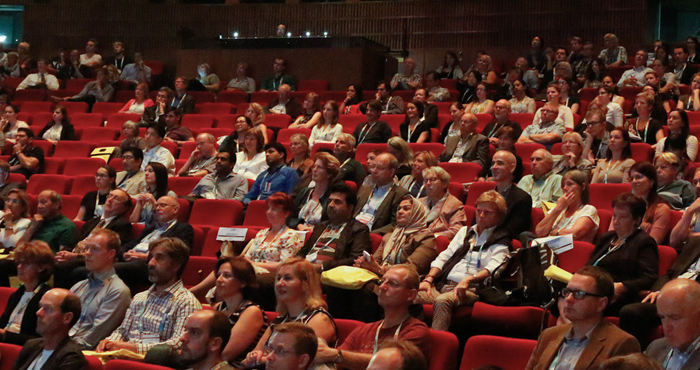
This subject was particularly relevant to the International Neuropsychological Society meeting in Prague, where neuroscience was considered alongside humane clinical practice and cultural context. For Australian clinicians, researchers and families, the discussion connects with local evidence from the Australian Imaging, Biomarkers and Lifestyle study, the Sydney Memory and Ageing Study, and the diverse realities of ageing in metropolitan, regional and remote communities.
How ApoE Shapes Brain Ageing
The APOE gene has three common forms: ε2, ε3 and ε4. Most people inherit two copies, creating combinations that can influence lipid metabolism, inflammation, blood–brain barrier function and the brain’s response to injury. The ε4 variant is associated with a higher probability of Alzheimer’s disease and, in some studies, an earlier onset of cognitive symptoms. It is a risk marker rather than a diagnosis.
ApoE also interacts with amyloid beta, tau pathology and cerebrovascular disease. A person carrying ε4 may remain cognitively healthy into advanced age, while someone without it may develop dementia through other biological pathways. This distinction matters when explaining genetic findings, especially in general practice and memory clinics where patients may interpret risk information as certainty.
Population Differences And Cultural Context
The effect of APOE varies between ancestral and cultural groups. Frequency of ε4 differs across populations, and its relationship with dementia risk is shaped by diet, infection history, cardiovascular burden, social conditions and healthcare access. Research based mainly on European-ancestry samples cannot automatically be applied to Aboriginal and Torres Strait Islander communities or Australia’s multicultural population.
Neuropsychological assessment must therefore consider language, schooling, migration history and culturally familiar ways of communicating distress. Educational opportunity can affect performance on memory tests, while hearing loss, depression and cardiovascular disease may complicate interpretation. The poster themes from the Prague meeting illustrate how population research and clinical neuropsychology can inform each other.
Lifestyle, Vascular Health And Resilience
ApoE-related risk is modified by factors that can often be addressed. Blood pressure, diabetes, cholesterol, smoking, sleep apnoea, physical inactivity and social isolation all influence cognitive trajectories. In Australia, regular cardiovascular checks through a GP, walking groups, community sport and access to outdoor spaces can support brain health, although rural and remote residents may face fewer specialist services.
Resilience is also linked with education, mentally stimulating activity, social participation and effective treatment of hearing impairment. Australian researchers studying older adults in Sydney, Melbourne and regional centres continue to examine how these protective factors interact with biomarkers and genetic variation. Such work supports a broader view of ageing than a single laboratory result.
Implications For Diagnosis And Counselling
APOE genotyping may contribute to research and, in selected settings, risk assessment, but it should be accompanied by qualified genetic counselling and careful consent. A result can affect family relationships, anxiety and decisions about insurance or future planning. It should never replace a full history, cognitive assessment, neurological examination and review of reversible contributors.
Advances in blood biomarkers, amyloid imaging and digital cognitive tools are changing the diagnostic landscape. The future of dementia diagnosis depends on combining these technologies with clinical judgement. In Australia, Medicare pathways, private memory clinics and public hospital services differ between Sydney, Perth, Brisbane and smaller regional towns, so access and affordability remain part of responsible implementation.
Practical Priorities For Australian Practice
Research findings are most useful when translated into respectful conversations and realistic care plans. Clinicians should explain absolute risk where possible, acknowledge uncertainty and avoid presenting APOE ε4 as a verdict. Families may also need support with advance care planning, driving, medication management and culturally appropriate community services.
Australian practice benefits from partnership with Aboriginal health organisations, interpreters, carers and local primary-care teams. In remote areas, telehealth can extend specialist input, though reliable internet, digital confidence and continuity of care cannot be assumed. A population-sensitive approach recognises that biological risk and practical opportunity are inseparable.
Questions To Clarify Before Testing
- What clinical decision would the result inform?
- Has informed consent been discussed clearly?
- Are counselling and follow-up available?
- Could language or cultural factors affect interpretation?
Modifiable Areas Worth Reviewing
- Blood pressure, cholesterol and diabetes
- Sleep, hearing and physical activity
- Social connection and mental wellbeing
- Access to appropriate cognitive assessment
General Information
Important information about the meetingIndustry
Support and exhibition opportunitiesCzech Republic
Beautiful country situated in the very heart of EuropeContact
How can we help you?
Prague Congress Centre (KCP)
5.května 65140 21 Prague 4
Czech Republic
Phone: +420 261 171 111
Website: www.kcp.cz