



Poster Session Themes at INS 2018
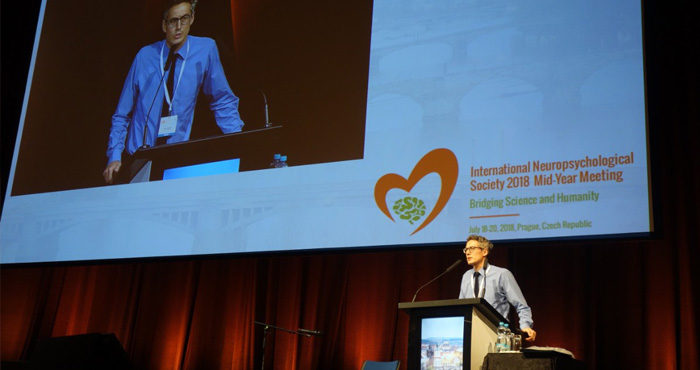
The poster program at the International Neuropsychological Society mid-year meeting in Prague brought together emerging research from across clinical neuropsychology, cognitive neuroscience, rehabilitation, and assessment. Held from July 18–20, 2018, INS 2018 emphasized the relationship between scientific progress and humane patient care.
Poster sessions offered a compact view of the field’s priorities. Researchers examined how brain changes affect everyday functioning, how culture and language shape test performance, and how clinicians can translate laboratory findings into practical support for patients and families.
The range of subjects also reflected neuropsychology’s collaborative character. Neurologists, psychologists, rehabilitation specialists, students, and researchers approached shared problems from different methodological and cultural perspectives.
Cognitive aging and dementia research
Cognitive aging was a major area of interest within the poster presentations. Studies commonly explored memory decline, executive functioning, processing speed, and the distinction between normal aging and early neurological disease. These questions are central to timely assessment, especially when subtle changes are difficult to separate from education, mood, medical history, or everyday stress.
Dementia-related work also focused on improving diagnostic accuracy. Researchers considered how neuropsychological profiles, biomarkers, imaging findings, and functional observations can be combined to identify meaningful patterns. The meeting’s wider discussion of dementia diagnosis advances reflects the importance of connecting research developments with responsible clinical decision-making.
Assessment, measurement, and test development
Another strong theme involved the design and interpretation of neuropsychological tests. Poster authors examined reliability, validity, normative data, computerized assessment, and the influence of demographic factors on scores. Such work helps clinicians understand whether a result represents genuine impairment or variation associated with language, schooling, age, or cultural experience.
Several strands of assessment research also addressed ecological validity. A patient may perform adequately in a quiet testing room yet struggle with medication management, multitasking, financial decisions, or workplace demands. Posters that connected test findings with daily function supported a broader view of assessment, one that values real-world outcomes alongside numerical scores.
Neuroscience and brain-behavior relationships
Neuroscience provided another foundation for the poster session themes at INS 2018. Researchers investigated relationships between cognitive performance and neural systems involved in memory, attention, language, emotion, and executive control. Neuroimaging and other biological methods offered ways to clarify how brain structure and function relate to behavior.
The most clinically useful studies were those that moved beyond localization. Rather than treating a brain region as the explanation for a complex symptom, contemporary neuropsychology considers networks, connectivity, development, disease progression, and individual adaptation. This perspective allows research findings to inform assessment while preserving the complexity of each patient’s experience.
| Theme | Typical research questions | Clinical value |
|---|---|---|
| Cognitive aging | Which changes suggest healthy aging, mild impairment, or dementia? | Earlier referral and clearer communication |
| Assessment methods | How accurate and culturally appropriate are current tests? | Better interpretation of individual scores |
| Neuroscience | How do neural systems relate to cognition and behavior? | Stronger links between brain data and symptoms |
| Rehabilitation | Which interventions improve everyday functioning? | More targeted treatment planning |
| Culture and language | How do background and language affect performance? | Fairer, more context-sensitive evaluation |
Rehabilitation and practical intervention
Neuropsychological rehabilitation translated scientific knowledge into strategies for daily life. Poster topics in this area typically included cognitive training, compensatory techniques, caregiver education, return-to-work planning, and support after neurological injury. The emphasis was often on functional goals rather than performance on isolated tasks.
This approach recognizes that successful care may involve environmental changes as much as repeated exercises. Calendars, reminders, structured routines, communication strategies, and family collaboration can help patients manage persistent difficulties. Outcome measures that capture participation and independence are therefore essential complements to traditional cognitive scores.
Culture, language, and humane care
Cultural considerations were central to a meeting concerned with responsible neuropsychology. Performance on memory, language, and executive tests can be shaped by bilingualism, literacy, migration history, educational opportunity, and familiarity with testing conventions. Posters examining these influences encouraged clinicians to interpret results within the patient’s social and linguistic context.
Humane care also requires attention to identity and dignity. A diagnosis can affect family roles, employment, independence, and expectations for the future. Neuropsychological practice is strongest when clinicians explain findings clearly, acknowledge uncertainty, include caregivers appropriately, and avoid reducing a person to a score profile.
From poster findings to professional practice
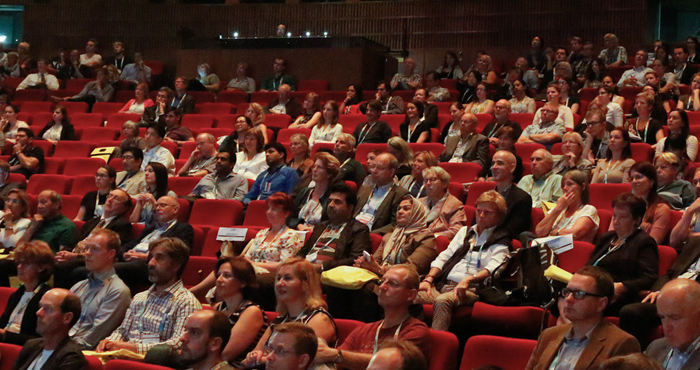
Poster sessions are valuable because they reveal work in progress as well as established findings. Visitors can compare methods, discuss limitations directly with researchers, and identify ideas that may shape future collaborations. For students and early-career professionals, the format also provides an accessible entry point into international research exchange.
The meeting’s practical setting supported that exchange. Attendees planning their stay could review Holiday Inn venue details, while the broader conference resources connected scientific sessions with transportation, continuing education, and social interaction. These details matter because professional learning depends on the environment in which conversations take place.
Ways to read the poster program today
Readers revisiting the INS 2018 materials can approach the poster listings as a snapshot of neuropsychology at a particular point in its development. The following themes remain useful when evaluating similar research:
- Look for evidence that connects cognitive scores with everyday functioning.
- Check whether samples represent the cultural and linguistic diversity of the people being assessed.
- Distinguish promising preliminary findings from results supported by replication.
- Consider how a study’s methods could change clinical decisions or patient support.
- Pay attention to ethical issues, including consent, communication, privacy, and caregiver involvement.
The lasting value of the Prague meeting lies in this connection between innovation and care. Its poster themes show a discipline working to improve measurement, deepen understanding of the brain, and respond more thoughtfully to the realities of patients and families.
Explore the INS 2018 program and poster resources to trace how these research directions contributed to contemporary neuropsychological assessment and clinical practice.
General Information
Important information about the meetingIndustry
Support and exhibition opportunitiesCzech Republic
Beautiful country situated in the very heart of EuropeContact
How can we help you?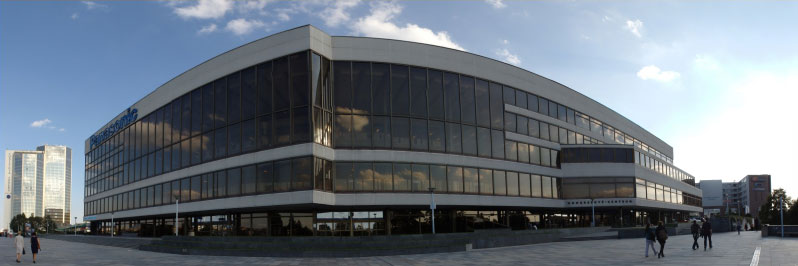
Prague Congress Centre (KCP)
5.května 65140 21 Prague 4
Czech Republic
Phone: +420 261 171 111
Website: www.kcp.cz