



How INS 2018 Shaped the Future of Dementia Diagnosis
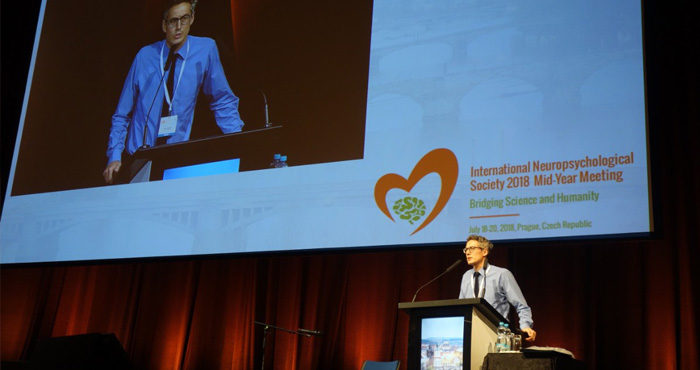
The International Neuropsychological Society mid-year meeting in Prague, held from July 18–20, 2018, examined how scientific progress can improve everyday patient care. Its discussions connected cognitive assessment, neuroscience, clinical practice, and the cultural factors that influence how dementia is recognized and treated.
The future of dementia diagnosis depends on more than identifying memory loss earlier. It requires accurate measurement of attention, language, executive function, behavior, and daily abilities, while also considering education, culture, mood, medical history, and the patient’s own account of change.
INS 2018 offered a useful framework for this direction. Rather than treating technology as a replacement for clinical judgment, the meeting emphasized combining reliable tests, careful interpretation, and humane communication.
Clinical Assessment Beyond Memory
Dementia evaluation has traditionally focused heavily on episodic memory, yet neuropsychology shows why a broader cognitive profile matters. A person may initially struggle with planning, word retrieval, visuospatial processing, or divided attention while performing adequately on a simple memory screen.
This approach supports differential diagnosis. Patterns across cognitive domains can help clinicians distinguish Alzheimer’s disease from vascular cognitive impairment, frontotemporal syndromes, Lewy body disease, depression, or normal age-related changes. The goal is a profile that explains function, not merely a score that labels impairment.
From Symptoms to Biological Evidence
Advances in neuroscience have expanded the diagnostic toolkit. Neuroimaging, cerebrospinal fluid markers, genetic information, and emerging blood-based biomarkers can provide evidence of underlying pathology before severe disability develops.
These tools are most valuable when interpreted alongside history and neuropsychological findings. A biomarker may indicate disease risk or pathology, but it does not independently describe how a person manages medication, finances, communication, or social judgment. Clinical context remains essential.
Comparing Diagnostic Signals
The most effective diagnostic model combines complementary forms of evidence. Cognitive testing reveals the pattern of impairment, functional assessment shows its everyday consequences, and biological measures may clarify the disease process.
| Diagnostic signal | Primary contribution | Important limitation |
|---|---|---|
| Neuropsychological testing | Maps cognitive strengths and weaknesses | Results can be affected by language, education, fatigue, and mood |
| Functional assessment | Shows effects on daily independence | Informant reports may be incomplete or subjective |
| Brain imaging | Identifies structural or functional changes | Findings may be nonspecific or difficult to interpret alone |
| Fluid or blood biomarkers | Supports detection of biological pathology | Availability, cost, and clinical meaning continue to evolve |
| Patient and family history | Establishes timing and real-world change | Recall may be influenced by stress or limited observation |
A multimodal assessment also improves communication between specialists. Neurologists, neuropsychologists, geriatricians, primary-care clinicians, and families can use shared evidence to form a clearer picture of disease progression and care needs.
Culture and Humane Care
Cultural considerations are central to fair dementia diagnosis. Tests developed in one linguistic or educational setting may not transfer directly to another. Differences in schooling, literacy, bilingualism, health beliefs, and access to care can influence results without reflecting neurological disease.
INS 2018’s emphasis on humane care reinforces the need to treat the patient as a partner. Clinicians should explain uncertainty, respect preferences, and avoid presenting a diagnosis as a fixed prediction. Clear conversations can support planning while protecting dignity and autonomy.
For attendees arranging their stay in Prague, the conference’s Hotel Coronet details also formed part of the practical information that made participation more accessible for an international professional audience.
Translating Research Into Practice
The value of diagnostic innovation is measured by whether it improves decisions. Earlier recognition can help people address safety, advance care planning, symptom management, driving, work, and family support while they retain greater capacity to participate.
Research translation also requires restraint. New digital tools, remote assessments, and machine-learning models may increase access, but they must be validated across age groups, cultures, devices, and clinical settings. Privacy, informed consent, algorithmic bias, and clinician oversight should be built into implementation from the beginning.
Priorities for Better Dementia Services
A modern diagnostic pathway can remain scientifically sophisticated while being understandable and practical. Services should create space for repeat assessment, caregiver input, and coordinated follow-up rather than treating diagnosis as a single appointment.
Key priorities include:
- Use domain-specific cognitive testing instead of relying on memory scores alone.
- Combine test results with functional history, medical information, and informant evidence.
- Match assessment methods to language, culture, education, and sensory needs.
- Explain biomarker and imaging findings in terms patients can understand.
- Reassess over time when symptoms, function, or available evidence changes.
The lasting contribution of INS 2018 lies in this integrated vision: scientific advances should sharpen diagnosis while strengthening compassion. Explore the meeting’s program, poster themes, workshops, and clinical perspectives to see how neuropsychology continues to connect discovery with meaningful care.
General Information
Important information about the meetingIndustry
Support and exhibition opportunitiesCzech Republic
Beautiful country situated in the very heart of EuropeContact
How can we help you?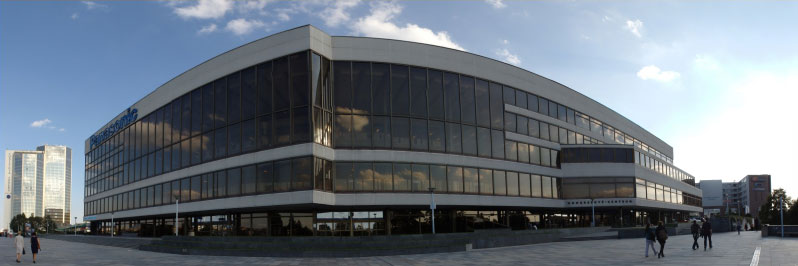
Prague Congress Centre (KCP)
5.května 65140 21 Prague 4
Czech Republic
Phone: +420 261 171 111
Website: www.kcp.cz