





Teleassessment Of Cognitive Function In Older Adults
Teleassessment of cognitive function in older adults has moved from a niche research method to a practical option for screening, monitoring and selected neuropsychological assessments. Video consultations can reduce travel, support follow-up care and connect older people with specialists beyond their local area. They also require careful attention to sensory ability, digital confidence, language, privacy and test validity.
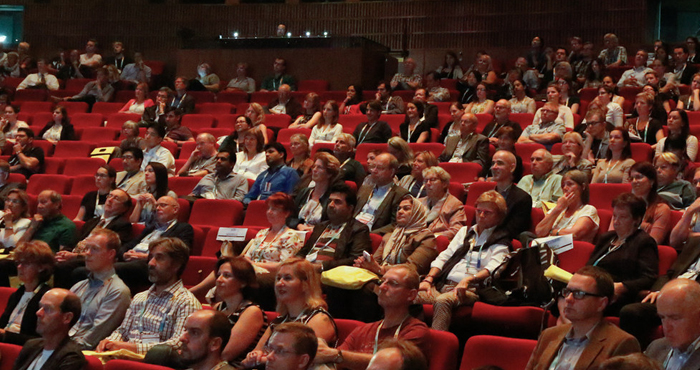
The central issue is not whether a cognitive test can be displayed on a screen. It is whether the clinician can obtain reliable evidence under conditions that are fair, culturally responsive and clinically useful. The principles discussed at the INS 2018 meeting remain relevant: scientific progress must be connected with humane patient care and real clinical settings.
Why Remote Cognitive Assessment Matters
Australia’s geography makes remote neuropsychology especially valuable. An older person in regional Queensland, Western Australia or the Northern Territory may face several hours of travel for an appointment, while people in Sydney, Melbourne and Brisbane can still experience lengthy journeys, parking costs or mobility barriers. A secure video assessment may make specialist input more accessible when an in-person appointment is difficult.
Telehealth can also support repeated assessments after stroke, during dementia workups or when monitoring mild cognitive impairment. The clinician may involve a family member or support worker, observe the home environment and coordinate with a general practitioner. However, a remote appointment should not be treated as an automatic replacement for face-to-face assessment. The referral question, test selection and patient’s circumstances must determine the format.
Validity, Access And Cultural Safety
Older adults may have hearing loss, reduced vision, arthritis, tremor or slower processing speed. Small on-screen stimuli, poor audio and unfamiliar touch controls can distort performance. Before testing, clinicians should check headphones, camera position, lighting, screen size, internet stability and whether the person can operate the device without coaching that changes the result.
Digital exclusion remains a practical concern in Australia. Some patients rely on a shared smartphone, limited data or unstable connections, particularly in remote communities. Aboriginal and Torres Strait Islander older adults may also need culturally safe communication, trusted local support and assessment methods that recognise language, educational history and community context. An interpreter or Aboriginal health worker can be essential, rather than an optional addition.
Building A Reliable Clinical Workflow
A strong teleassessment workflow begins before the appointment. The clinician should confirm consent, identity, location, emergency contacts, privacy arrangements and the presence of another person. A brief technology rehearsal can identify whether the patient can hear instructions, adjust the camera and complete any required digital tasks.
The assessment itself should combine standardised measures with clinical observation and collateral history. Breaks may be needed, especially for people with fatigue, visual strain or neurological conditions. If distraction, technical failure or assistance from another person affects performance, the report should document it clearly instead of presenting the scores as fully comparable with in-person norms.
Professional education can help teams develop consistent procedures. Resources associated with the Australian Psychological Society may support broader discussion of ethical practice, professional standards and remote service delivery, while local health networks can provide policies for privacy, documentation and escalation.
Practical Safeguards For Clinicians
Clinicians can reduce avoidable errors by separating technical preparation from clinical judgement. A successful connection does not prove that the assessment is valid; the patient’s behaviour, comprehension and testing environment still require active review.
Useful preparation steps include:
- Confirming consent, identity, location and privacy
- Checking hearing, vision, camera framing and screen size
- Arranging an interpreter, carer or cultural support when appropriate
- Recording interruptions, prompts, technical faults and fatigue
The clinical report should explain the limits of remote data. It can distinguish observed cognitive strengths from findings that need confirmation in person. Where risk is high, referral for neurological examination, driving evaluation, functional review or comprehensive face-to-face testing may be appropriate.
A second set of safeguards protects the patient after the session:
- Use encrypted, approved platforms and private rooms
- Avoid storing recordings unless there is a documented clinical reason
- Provide written instructions in accessible language
- Plan follow-up with the GP, family or care team
These measures fit Australian practice, where telehealth may involve My Aged Care services, private psychology, public hospitals and Medicare-supported consultations with different administrative requirements.
Choosing The Right Assessment Format
Remote cognitive testing is best viewed as one point within a flexible assessment pathway. Brief screening may work well by video when the patient is comfortable with technology and has adequate sensory abilities. A complex diagnostic assessment, capacity evaluation or medico-legal opinion may require direct observation and additional in-person evidence.
Technology can also complement rehabilitation rather than stand alone. Clinicians exploring digital cognitive care may find discussion of transcranial stimulation research useful when considering how emerging interventions relate to cognitive rehabilitation, although stimulation is not a substitute for neuropsychological assessment.
| Assessment approach | Main strengths | Common limitations | Suitable use |
|---|---|---|---|
| Video consultation | Personal interaction and clinical observation | Internet, hearing and privacy problems | Screening, follow-up and selected diagnostic work |
| Telephone assessment | Accessible on basic devices | No visual observation or screen-based tasks | History-taking and brief verbal measures |
| Digital self-administered testing | Efficient and repeatable | Assistance, literacy and device bias | Monitoring when validity is established |
| Face-to-face assessment | Rich behavioural observation and controlled materials | Travel, cost and limited specialist availability | Complex diagnosis, capacity and high-stakes decisions |
A defensible approach matches the modality to the referral question, the older person’s abilities and the consequences of the decision. Remote neuropsychology is most effective when convenience is balanced with measurement quality, cultural respect and a clear pathway to in-person care when the evidence remains uncertain.
General Information
Important information about the meetingIndustry
Support and exhibition opportunitiesCzech Republic
Beautiful country situated in the very heart of EuropeContact
How can we help you?
Prague Congress Centre (KCP)
5.května 65140 21 Prague 4
Czech Republic
Phone: +420 261 171 111
Website: www.kcp.cz