



Transcranial Direct Current Stimulation in Cognitive Rehabilitation
Transcranial direct current stimulation (tDCS) is gaining attention as a tool for supporting cognitive rehabilitation after stroke, traumatic brain injury, multiple sclerosis, and other neurological conditions. By delivering a weak electrical current through electrodes placed on the scalp, this non-invasive intervention may influence cortical excitability and improve the brain’s response to structured practice.
Its value is greatest when it complements meaningful therapy rather than replacing it. Memory exercises, attention training, language treatment, and executive-function tasks provide the behavioral foundation; neuromodulation may help the patient engage with those tasks more efficiently or consistently.
The subject also reflects the wider priorities of neuropsychology: scientific rigor, humane care, cultural awareness, and practical access. Evidence must be interpreted alongside patient goals, cognitive profile, medical history, resources, and the realities of everyday rehabilitation.
How The Technique Works
tDCS typically uses an anode and cathode positioned according to the treatment goal. The current does not directly force a specific thought or behavior. Instead, it may shift the readiness of underlying neural networks, potentially making activity-dependent learning more responsive to repetition.
Outcomes depend on several variables, including electrode placement, current intensity, session duration, treatment frequency, and the cognitive task performed during stimulation. Timing matters because stimulation paired with active practice may produce different effects from stimulation delivered while the patient rests.
Researchers continue to examine whether benefits arise from local cortical changes, broader network modulation, or improved communication between brain regions. These questions are important because cognitive abilities rarely depend on one isolated area.
Where Cognitive Rehabilitation Fits
A careful baseline assessment should identify both impaired and preserved abilities. Standardized testing can clarify whether a patient’s main difficulty involves processing speed, working memory, verbal learning, visuospatial skills, or self-regulation. Functional interviews then connect test findings with work, family, and community demands.
The best protocol is therefore individualized. A person recovering from a left-hemisphere stroke may need language-focused tasks, while someone with traumatic brain injury may benefit from goal management, attention control, and fatigue management. Clinicians working in different regions should also consider assessment in low-resource settings when selecting measures and interpreting results.
Cognitive rehabilitation should include strategies that remain useful after the stimulation course ends. External memory aids, environmental modification, caregiver education, and metacognitive training can help transfer gains from the clinic to daily life.
Matching Stimulation To The Patient
Patient selection requires more than a diagnosis. Clinicians should review seizure history, implanted electronic devices, skin sensitivity, medication changes, severe headaches, communication barriers, and the patient’s ability to remain still and follow instructions. Screening does not eliminate risk, but it makes treatment decisions more transparent.
Expectations also need careful management. tDCS is not a universal cognitive enhancer, and response can vary substantially. Some patients may show measurable improvement in a trained task without broad changes in daily functioning. Others may benefit through increased engagement, reduced effort, or greater confidence during therapy.
Culturally responsive practice strengthens this process. Goals should reflect the patient’s language, routines, family structure, educational background, and definition of independence. A treatment plan that ignores these factors may produce impressive scores while offering little practical value.
Comparing Clinical Pathways
The following comparison highlights how tDCS can be positioned within a broader rehabilitation program rather than treated as a stand-alone solution.
| Approach | Primary Role | Main Strength | Important Limitation |
|---|---|---|---|
| Cognitive rehabilitation alone | Builds skills through structured practice | Strong functional and educational focus | Progress may be gradual |
| tDCS alone | Modulates cortical excitability | Brief, non-invasive, and relatively portable | Limited value without active training |
| tDCS paired with therapy | Supports task-specific learning | Combines neuromodulation with practice | Requires careful timing and protocol design |
| Compensatory strategies | Reduces the impact of impairment | Directly supports everyday functioning | May not restore the underlying ability |
| Multidisciplinary care | Integrates medical, cognitive, and psychosocial needs | Addresses complex recovery barriers | Requires coordination and sustained resources |
Evidence is strongest when stimulation is embedded in a defined therapeutic target. For example, repeated language exercises paired with a carefully selected montage may be more clinically meaningful than an identical dose delivered without a relevant task.
Research findings should still be interpreted conservatively. Small samples, varied protocols, inconsistent outcome measures, and limited follow-up make it difficult to compare studies directly. A promising result supports further investigation, not automatic adoption.
Safety And Ethical Practice
Reported side effects are often mild and temporary, such as tingling, itching, warmth, skin redness, or a brief headache. Nevertheless, every session should include a safety check, accurate electrode placement, monitoring of discomfort, and documentation of any adverse event.
Informed consent should explain the experimental status of some applications, the possibility of limited benefit, and available alternatives. Patients should understand that participation is voluntary and that declining stimulation will not reduce access to standard rehabilitation.
Ethical care also includes equitable access. Equipment costs, clinician training, transportation, language services, and follow-up capacity can shape who receives treatment. A technically advanced intervention is not genuinely patient-centered if it is inaccessible to the people most likely to need rehabilitation.
Recommendations For Program Design
A responsible service can introduce neuromodulation gradually, linking each session to a measurable clinical objective and a realistic functional outcome.
- Define the cognitive target before selecting electrode placement or stimulation parameters.
- Pair stimulation with structured, therapist-guided practice whenever clinically appropriate.
- Record baseline performance, session details, adverse effects, and follow-up results.
- Use patient-reported goals alongside neuropsychological and functional measures.
- Review outcomes regularly and stop or modify treatment when benefit is unclear.
Training should cover neuroanatomy, contraindications, equipment maintenance, consent, documentation, and cultural humility. Interdisciplinary review is especially valuable when a patient has complex medical, psychiatric, or communication needs.
Turning Evidence Into Practice
Transcranial direct current stimulation has potential as an adjunct to cognitive rehabilitation, particularly when treatment is individualized, task-specific, and evaluated over time. Its role is best understood as a possible facilitator of learning within a wider clinical relationship.
Neuropsychologists, occupational therapists, speech-language pathologists, physicians, and researchers can strengthen the field by combining rigorous outcome tracking with attention to dignity and lived experience. Build protocols around patient goals, measure meaningful change, and keep humane care at the center of every stimulation session.
General Information
Important information about the meetingIndustry
Support and exhibition opportunitiesCzech Republic
Beautiful country situated in the very heart of EuropeContact
How can we help you?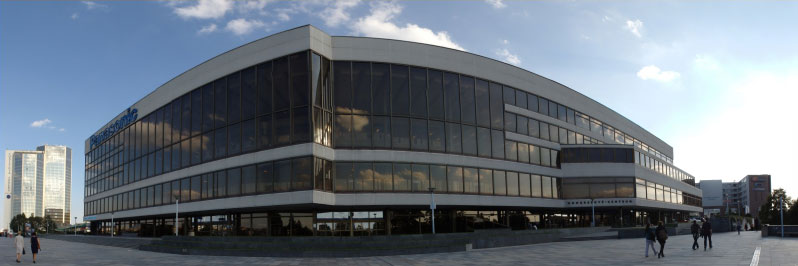
Prague Congress Centre (KCP)
5.května 65140 21 Prague 4
Czech Republic
Phone: +420 261 171 111
Website: www.kcp.cz