



Neuropsychological care for psychogenic non-epileptic seizures
Psychogenic non-epileptic seizures (PNES), often called functional seizures, cause transient neurological symptoms such as staring, unresponsiveness, limb movement or sensory change without epileptic electrical activity. They are involuntary; the term does not mean symptoms are imagined.
Neuropsychological assessment clarifies the event pattern, differential diagnosis and functional impact while identifying treatable contributors such as anxiety, dissociation, sleep disturbance or medication effects. It complements neurological evaluation rather than replacing it.
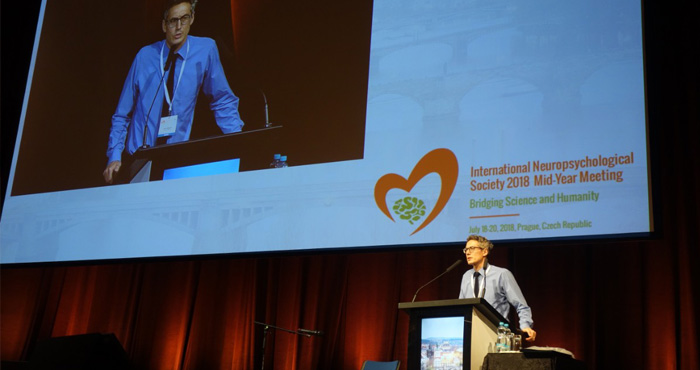
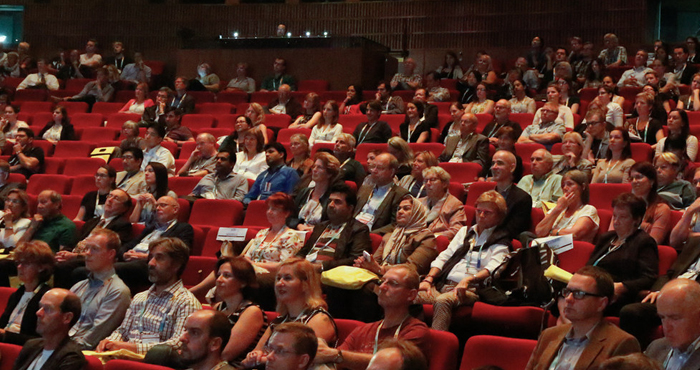
The INS 2018 mid-year meeting in Prague, held from 18–20 July 2018, linked scientific advances with humane care and cultural consideration. That balance remains essential in Australia, where public, private and telehealth services follow different pathways.
Recognising a heterogeneous disorder
PNES is not a single reaction to stress. Risk factors can include trauma, mood disorders, dissociation, neurological injury and learned responses, but the presence and contribution of each factor vary widely. A formulation based only on trauma risks overlooking other mechanisms and reinforcing stigma.
Diagnosis combines a detailed history, witnessed-event description, neurological examination and proportionate testing. Video-EEG may help when uncertainty remains, although no scalp-EEG finding perfectly separates PNES from epilepsy. Careful observation of warning signs, triggers and post-event recovery is especially informative.
Building a neuropsychological assessment
Assessment should cover current symptoms, cognition, mood, dissociation, sleep, medication, substance use, family history and cultural context. Collateral information and consented home video can clarify semiology, while a functional analysis connects events with daily demands rather than merely counting them.
Reports should translate findings into understandable language, identify supports and flag safety concerns without moralising. When vestibular or movement symptoms overlap, clinicians can draw on professional information from the vestibular meeting resources to refine differential assessment.
Culture, communication and respectful diagnosis
Culturally responsive care recognises that symptoms may be expressed differently across language, family and community settings. For Aboriginal and Torres Strait Islander patients, cultural safety, respectful relationship-building and checking whether racism or institutional mistrust shapes presentation are clinical issues, not optional extras.
Explain the diagnosis clearly: events are real, involuntary and treatable, but do not represent epileptic activity. Avoid adversarial confrontation. The INS 2018 meeting promotion kit illustrates how educational materials can support transparent exchange between clinicians, researchers and people affected by neurological symptoms.
Navigating Australian care pathways
A GP often coordinates referral to a neurologist, neuropsychologist and psychologist. Public hospitals provide public specialist services after referral, with waiting times varying by location. In Sydney, Melbourne, Brisbane and Perth, private neurology and neuropsychology practices shorten some pathways, while regional and remote areas often rely more heavily on telehealth.
| Clinical domain | PNES pathway | Epilepsy pathway |
|---|---|---|
| Primary question | How functional network symptoms arise and affect daily life | Whether events reflect epileptic activity and which syndrome is present |
| Key evidence | Event semiology, triggers, warning signs, recovery and functional history | Aura, seizure type, frequency, injury pattern and neurological findings |
| Common assessment | Neuropsychological and functional assessment with neurological review | Neurological examination, EEG, imaging and sometimes video-EEG monitoring |
| Treatment emphasis | Education, psychological therapy, comorbidity care and functional recovery | Antiseizure medicines, trigger management and seizure-safety planning |
Medicare covers eligible GP and specialist consultations, and eligible psychological treatment may be available through a GP Mental Health Treatment Plan. Access and rebates differ for public patients, private clinics and telehealth. Care plans should also consider the practical burden of attending appointments, including Melbourne tram travel, Sydney train journeys and driving after disrupted sleep.
Addressing comorbidity and long-term change
Anxiety, depression, dissociation and trauma-related symptoms commonly co-occur with PNES, yet their presence does not prove a single cause. Treatment may combine CBT, grounding strategies, sleep intervention, medication review and graded rehabilitation. Psychological therapy should address distress without implying that the person caused the events.
Longitudinal neuropsychological review can detect changes in memory, attention, fatigue and adaptive function, especially around medication changes or health stress. Research on childhood leukaemia late effects shows why serial assessment can reveal delayed consequences across education, work and daily life.
Managing safety, work and legal duties
Safety planning should be individualised. People may need warning signs for episodes, supervision, first-aid guidance and a plan for recovery. Driving obligations differ across states and territories, so clinicians should check current rules and avoid suggesting that a PNES diagnosis automatically determines fitness to drive.
At work, the Disability Discrimination Act 1992 and Fair Work Act 2009 may require reasonable adjustment where functional disability affects attendance or duties. An NDIS plan may assist eligible people with disability supports, while employers, treating teams and the participant must agree on practical goals.
Privacy duties also differ: private health providers generally follow the federal Privacy Act 1988 and Australian Privacy Principles, while public services operate mainly under state and territory health-records law. Records should be shared only with consent and appropriate safeguards.
Creating a coordinated care plan
A strong plan names a lead clinician, records the agreed formulation and links neurological, psychological, medical and functional goals. One written summary helps patients, families, schools and workplaces respond consistently rather than interpreting each episode in isolation.
- Establish the diagnosis with neurological review and proportionate investigations.
- Explain PNES in plain, validating language and answer common questions.
- Track event frequency, warning signs, recovery and participation goals.
- Review medication, sleep, comorbidities, safety and driving requirements.
A named contact, regular review and measurable functional outcomes make care easier to sustain. This approach treats neurological events as real while keeping explanation, treatment and support aligned.
General Information
Important information about the meetingIndustry
Support and exhibition opportunitiesCzech Republic
Beautiful country situated in the very heart of EuropeContact
How can we help you?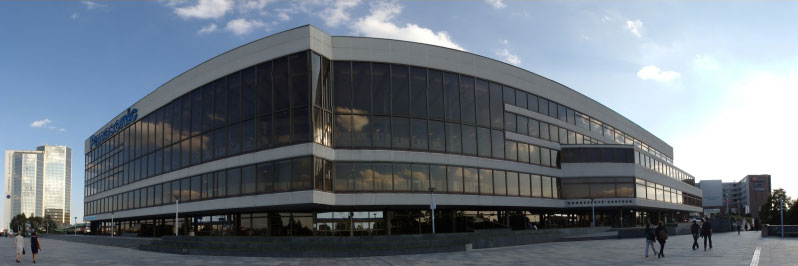
Prague Congress Centre (KCP)
5.května 65140 21 Prague 4
Czech Republic
Phone: +420 261 171 111
Website: www.kcp.cz