





Neuropsychological Late Effects of Childhood Leukemia Treatment
Survival after childhood leukemia has improved dramatically, creating a growing population of adolescents and adults who may live for decades with the consequences of treatment. These consequences can include changes in attention, processing speed, memory, executive functioning, emotional regulation, and academic performance. The effects may be subtle during early survivorship and become more visible as school, employment, and social demands increase.
Neuropsychological late effects are shaped by several interacting factors: the type and intensity of therapy, age at diagnosis, central nervous system involvement, genetics, medical complications, and the child’s educational and family environment. A careful evaluation therefore needs to look beyond test scores and consider everyday functioning, cultural expectations, and opportunities for support.
The scientific and clinical themes associated with the INS 2018 meeting in Prague remain relevant to this work. Connecting neuroscience with humane, individualized care helps clinicians translate evidence into practical strategies for survivors and their families.
How Leukemia Treatment Can Affect Development
Children treated for acute lymphoblastic leukemia or acute myeloid leukemia may receive chemotherapy, radiation, hematopoietic stem cell transplantation, or combinations of these approaches. Central nervous system-directed therapy is especially important when considering later cognitive outcomes, although modern protocols have reduced the use of cranial radiation and adjusted treatment intensity where possible.
The developing brain can be vulnerable to inflammation, vascular changes, endocrine disruption, seizures, fatigue, and medication effects. Some survivors show slowed information processing, reduced working memory, weaker sustained attention, or difficulties organizing complex tasks. These patterns are often more apparent when cognitive demands become higher in secondary school, university, or the workplace.
Common Cognitive And Emotional Patterns
Attention and processing speed are frequent areas of concern. A child may understand new material but require extra time to read, calculate, copy information, or shift between activities. Executive difficulties can affect planning, prioritization, self-monitoring, and the ability to begin or complete multistep assignments.
Memory complaints may reflect inefficient attention or retrieval rather than a complete loss of stored information. Fatigue, sleep disturbance, pain, anxiety, depression, and fear of recurrence can further reduce concentration. Emotional and social effects may include lowered confidence, frustration with schoolwork, withdrawal from peers, or uncertainty about identity after prolonged medical treatment.
| Area of functioning | Possible late effect | Practical support |
|---|---|---|
| Attention | Distractibility or reduced mental endurance | Shorter work periods, quiet settings, scheduled breaks |
| Processing speed | Slow reading, writing, or response time | Extended time and reduced time pressure |
| Executive skills | Difficulty planning and organizing | Checklists, calendars, explicit routines |
| Memory | Inconsistent recall of instructions | Written directions, repetition, external reminders |
| Emotional health | Anxiety, low mood, reduced confidence | Counseling, family support, coordinated follow-up |
Assessment That Reflects Real Life
A comprehensive neuropsychological evaluation usually includes intellectual abilities, attention, learning and memory, language, visuospatial skills, executive functioning, academic achievement, behavior, and emotional wellbeing. Reviewing treatment history is essential because risk profiles differ according to age, diagnosis, therapies, complications, and time since treatment.
Test results should be interpreted alongside reports from parents, teachers, employers, and the survivor. A child who performs adequately in a quiet clinic may struggle to manage a crowded classroom, noisy workplace, or long sequence of instructions. Functional interviews and school observations can reveal barriers that standardized measures do not capture.
Cultural and linguistic factors also deserve careful attention. Educational opportunity, family communication styles, bilingualism, migration, and access to healthcare can influence both performance and recommendations. The broader discussion of global neuropsychology highlights why assessment must be responsive to diverse communities rather than based on a single assumed model of development.
From Findings To Intervention
Intervention should begin with the survivor’s daily goals. Classroom accommodations may include extra time, reduced copying demands, written and verbal instructions, preferential seating, assistive technology, and access to teacher notes. Older students may benefit from explicit coaching in planning, time management, self-advocacy, and study strategies.
Cognitive rehabilitation can target attention, working memory, organization, and metacognitive skills. However, repeated exercises are most useful when connected to meaningful activities such as completing homework, remembering medication schedules, navigating transportation, or managing job responsibilities. Families and schools should receive clear explanations that distinguish a neurological difficulty from low motivation.
Medical follow-up also matters. Vision and hearing problems, endocrine complications, sleep disorders, chronic pain, mood symptoms, and medication effects can intensify cognitive difficulties. Collaboration among oncology, neuropsychology, education, rehabilitation, and mental health professionals makes it easier to address these overlapping influences.
Translating Neuroscience Into Compassionate Care
Research on brain development and treatment toxicity can guide risk prediction, but it should not determine a survivor’s future. Neuropsychological profiles vary widely, and strengths in verbal reasoning, creativity, social understanding, persistence, or practical problem-solving may remain important resources. A strengths-based approach supports realistic planning without minimizing genuine disability.
The INS 2018 emphasis on clinical neuroscience links reflects a central principle of survivorship care: scientific findings become valuable when they improve communication, access, participation, and quality of life. Families need recommendations that are specific enough to implement and flexible enough to evolve as developmental demands change.
Priorities For Survivorship Support
- Begin cognitive monitoring during treatment and repeat evaluation when academic, emotional, or occupational demands change.
- Share a concise neuropsychological summary with families, schools, universities, and employers when appropriate.
- Provide accommodations early rather than waiting for grades, attendance, or confidence to decline.
- Screen regularly for sleep problems, fatigue, anxiety, depression, endocrine issues, and sensory changes.
- Reassess strengths, goals, and support needs across major transitions into adolescence, higher education, and employment.
Long-term follow-up should treat cognitive health as part of whole-person survivorship. Clinicians, educators, and families can use neuropsychological evidence to identify needs early, protect participation, and build practical supports around each survivor’s abilities. The conference resources and clinical perspectives preserved through INS 2018 offer a useful starting point for continued learning and more responsive care.
General Information
Important information about the meetingIndustry
Support and exhibition opportunitiesCzech Republic
Beautiful country situated in the very heart of EuropeContact
How can we help you?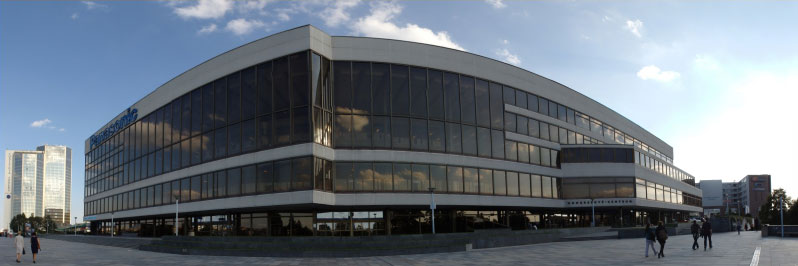
Prague Congress Centre (KCP)
5.května 65140 21 Prague 4
Czech Republic
Phone: +420 261 171 111
Website: www.kcp.cz