




RBANS for Dementia Detection in Australian Primary Care
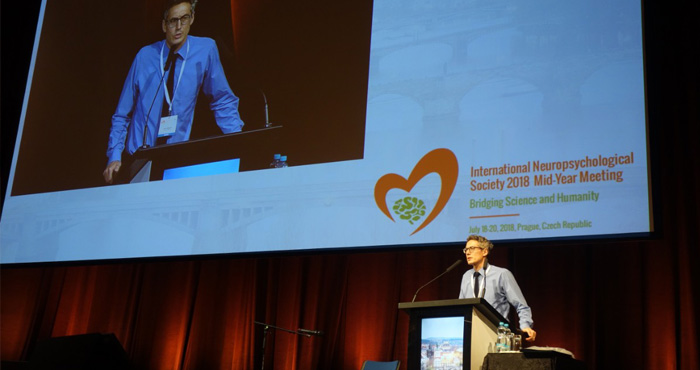
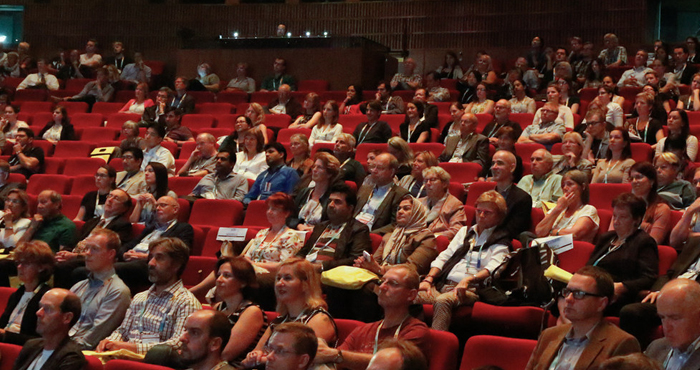
The International Neuropsychological Society’s mid-year meeting in Prague, Czech Republic, from 18–20 July 2018, brought researchers and clinicians together around a shared goal: connecting advances in neuropsychology with humane patient care. The clinical utility of the RBANS for detecting dementia in primary care belongs within that goal, linking standardised measurement to the judgement a score alone cannot provide. Learn more about リウマチ患者の自己注射 生物学的製剤 指導における看護師の役割.
The Repeatable Battery for the Assessment of Neuropsychological Status (RBANS) provides a relatively brief assessment of adult cognition. It is a battery, not a diagnosis. A low result may indicate impairment, but dementia requires evidence of decline from previous functioning, a plausible cause and a broader assessment of the person.
Australian general practitioners are often the first clinicians to investigate memory concerns. Medicare-supported dementia assessment pathways can support this work, alongside referral to a neurologist, geriatrician or psychologist when needed. INS 2018’s programme, posters, continuing education workshops and practical meeting information reflected the need to connect scientific evidence with usable clinical care.
Primary care also involves cultural and logistical realities. Clinics in Sydney and Melbourne may serve patients from many linguistic and educational backgrounds, including people balancing work, childcare and caring responsibilities. In regional and remote areas, travel, specialist shortages and telehealth access shape what can be offered. Interpreting RBANS scores therefore requires cultural, language and functional context.
A standardised battery within clinical reasoning
The meeting’s poster-session themes showed how researchers were translating specific findings into questions about assessment and care. A brief neuropsychological battery fits that translation because it makes selected cognitive abilities visible without claiming to explain a patient’s whole experience.
RBANS index scores cover visual reproduction and construction, immediate and delayed memory, language, attention and executive function. The profile can guide hypotheses about marked retrieval difficulty versus poor attention. Its utility rests on appropriate cutoffs, normative comparisons and evidence of functional decline, rather than on labelling a particular score as dementia.
Building an Australian primary care pathway
A sensible pathway begins with history from the patient and, with permission, someone who knows their daily functioning. General practitioners should review medication effects, mood, sleep, hearing, vision, alcohol use and other possible contributors before interpreting cognitive scores. Functional change matters more than a one-off result.
RBANS can provide a standardised baseline for a dementia assessment or guide a neuropsychological referral. In Australia’s mixed public–private system, Medicare generally supports GP dementia assessment, but comprehensive private neuropsychological testing usually has no Medicare rebate. Discuss purpose, likely costs and available public pathways before ordering testing.
Selecting a brief cognitive measure
Australian general practices may already use the MMSE, MoCA or ACE-III. Each has a place, but purpose, setting and patient population should determine the choice rather than familiarity alone.
| Measure | Typical administration | Useful features | Important limitations |
|---|---|---|---|
| RBANS | Usually 20–30 minutes | Broad cognitive profile and baseline for monitoring change | Norms, cutoffs and educational effects require careful interpretation |
| MoCA | About 10–15 minutes | Brief screen with memory and attention tasks | Limited cognitive profile; language and education can influence scores |
| MMSE | About 5–10 minutes | Familiar and quick; assesses orientation, registration and recall | Greater educational and language bias; narrow coverage |
| ACE-III | About 5–10 minutes | Strong Australian contextual relevance and broader task set | Primarily a screening and triage instrument |
The RBANS is most useful when the question extends beyond a yes-or-no screen to identifying a cognitive profile and establishing a baseline for change. A trained clinician should interpret any instrument alongside the clinical history; no brief test establishes dementia by itself.
Preparing clinicians and patients for follow-up
Practical arrangements supported the INS 2018 meeting as well as its scientific programme. The site’s Hotel EA Julis page helped delegates organise their Prague stay, while workshops and posters supported knowledge exchange. For Australian clinicians, the equivalent investment is protected training time, supervised practice and clear referral pathways.
Administration can affect results. Use glasses and hearing aids as appropriate, record language and education, and arrange professional interpretation rather than relying on family members. Explain the purpose, obtain consent, and discuss results in plain language with time for questions and emotional reactions.
Follow-up should track memory, daily activities and safety alongside scores. Document baseline findings, functional change and a reassessment plan. If capacity or decision-making is affected, involve the patient’s substitute decision-maker where appropriate and avoid assuming that a cognitive score determines decision-making ability.
Equity, cost and legal responsibilities
Access differs across Australia. Public clinics, private psychologists and telehealth services have different costs and waiting times, and some patients cannot travel easily for repeated appointments. Culturally safe assessment should draw on local Aboriginal health services and professional interpreters when appropriate for First Nations patients or people with limited English proficiency.
Team-based care offers another route to better support. An overview of nurse-led treatment guidance in rheumatology illustrates how nurses translate specialist protocols into practical home treatment; the same principle applies to medication routines, caregiver education and safety planning in dementia care.
For older Australians receiving aged care, clinical work should align with the Aged Care Act 2024 and the Aged Care Quality Standards, alongside privacy obligations and the Aged Care Quality and Safety Commission’s expectations for safe, person-centred care. Sensitive communication that respects capacity, privacy and the patient’s priorities turns assessment findings into a meaningful care plan.
General Information
Important information about the meetingIndustry
Support and exhibition opportunitiesCzech Republic
Beautiful country situated in the very heart of EuropeContact
How can we help you?
Prague Congress Centre (KCP)
5.května 65140 21 Prague 4
Czech Republic
Phone: +420 261 171 111
Website: www.kcp.cz