




Understanding cognitive fatigue in multiple sclerosis
Cognitive fatigue in multiple sclerosis is more than feeling sleepy after poor sleep. It can make reading a short email, holding a conversation or making a decision feel unexpectedly demanding, then leave little mental energy for the rest of the day. This reduced stamina may occur independently of relapse, walking difficulty, depression or insomnia, although those factors can compound it.
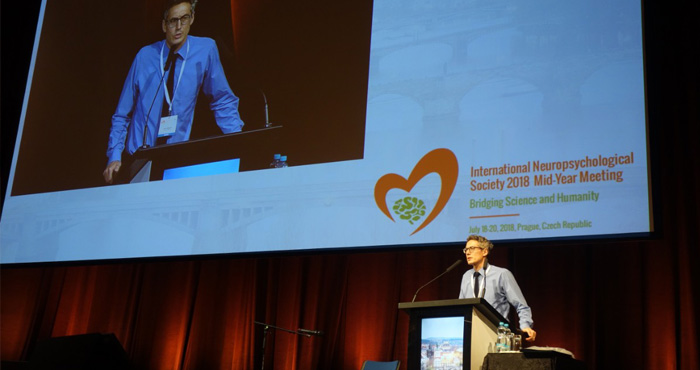
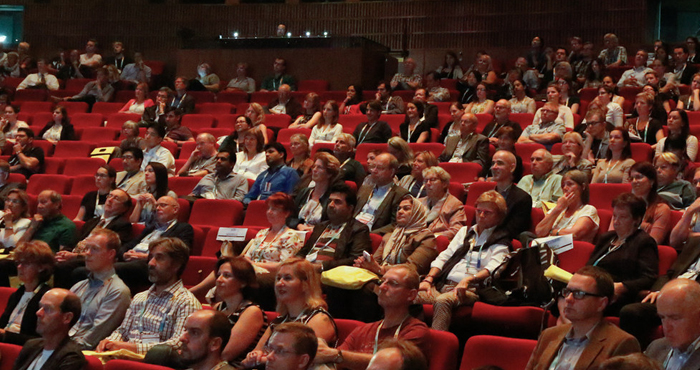
The INS 2018 mid-year meeting in Prague, held from 18 to 20 July, brought researchers and clinicians together around neuroscience, cultural context and humane care. Its program, posters and continuing-education workshops reflected the practical task of connecting scientific advances with what patients experience. For Australian delegates attending the meeting, the INS 2018 passport and visa guidance sat alongside the need to pace long-haul travel, manage jet lag and limit sensory overload.
Seeing fatigue that standard scores miss
Fatigue can be an invisible disability. People may cut back on work, study, household tasks or social plans before they describe the problem in clinical language. Asking what failed is more useful than asking only how tired they feel: attention may hold for several minutes, working memory may drop new information, and processing speed may slow familiar tasks.
A fatigue diary can reveal a pattern across sleep, medication timing, heat, stress and cognitive load. It also helps clinicians distinguish mental fatigue from episodic depression, poor sleep or a new neurological change. Long-term symptoms deserve review even when the MRI is stable and the disease is not visibly relapsing.
The biology behind exhausted attention
Central fatigue appears to involve more than lost sleep. Altered network efficiency, compensatory effort and changes in reserve may make sustained attention expensive, while pain, infection, medication effects and mood can influence performance. No single brain scan or laboratory result identifies it, so assessment must combine the person’s report with careful observation over time.
Heat and humidity can magnify symptoms for many people with MS. During hot weather in Brisbane or Adelaide, cooling strategies, flexible work times and planned rest may matter more than pushing through an activity quota. The distinction between background impairment and acute deterioration also matters: guidance on acute exacerbation management in COPD illustrates why sudden deterioration needs its own pathway, while MS fatigue requires a longer-term plan.
Measuring change in daily life
Measurement should capture both perceived burden and everyday consequences. Scales such as the Fatigue Severity Scale and Modified Fatigue Impact Scale can be repeated, while brief cognitive tasks track speed, accuracy and variability. Tests should support the conversation rather than stand in for it; a person can appear fluent during a short assessment and still struggle through an eight-hour shift.
Clinicians should ask about work, driving, childcare, self-care and social participation, and record the treatment and activity changes that followed. Separating fatigue from depression, anxiety, sleep disorders and medication effects makes the plan more precise. A simple rating linked to functional goals is often more actionable than a dense battery with no follow-up.
Designing care around energy and access
Care begins with reversible contributors and practical supports. Review sleep, mood, pain, infection, hydration and medicines; then tailor pacing, activity, occupational therapy and cognitive strategies to the person’s daily demands. Energy conservation is not inactivity, and sustainable activity should be adjusted to symptoms rather than used as a test of endurance.
Australia’s mixed public and private health market shapes access. A neurologist may be seen through a public hospital, Medicare rebates may cover eligible care, and some disease-modifying medicines are PBS-listed, while private allied-health sessions can still involve gaps. State MS societies can complement clinical services with peer support and practical resources, but access and subsidy remain uneven.
The NDIS can fund eligible supports, such as assistance with daily activities or employment, when functional criteria and planning rules are met; it does not replace clinically necessary treatment. Telehealth can connect people in rural NSW, northern WA or the NT with allied health, although specialist shortages and digital access still affect quality. A workable pathway should combine these sources without making the patient coordinate every gap.
Turning conference insight into clinical practice
Multidisciplinary exchange is essential because fatigue affects cognition, emotion, mobility, work and identity. The format captured in athlete brain injury discussions offers a useful parallel: performance, recovery and mental health are examined together, with the person’s experience central to interpretation. The INS meeting’s mix of posters, workshops and formal debate similarly supports translation across roles.
Australian services can apply that model by asking about cognitive fatigue at routine reviews, offering coordinated rehabilitation and documenting functional outcomes. Research should include people from rural and remote areas and those from culturally diverse communities. In Aboriginal and Torres Strait Islander health services, co-design, local leadership and attention to family and community responsibilities ensure that strategies fit the people using them. The standard of care is clear: fatigue should be recognised, measured and treated as a core MS symptom, not an optional extra after visible disability appears.
General Information
Important information about the meetingIndustry
Support and exhibition opportunitiesCzech Republic
Beautiful country situated in the very heart of EuropeContact
How can we help you?
Prague Congress Centre (KCP)
5.května 65140 21 Prague 4
Czech Republic
Phone: +420 261 171 111
Website: www.kcp.cz