


Traumatic Brain Injury In Athletes: Lessons From Prague
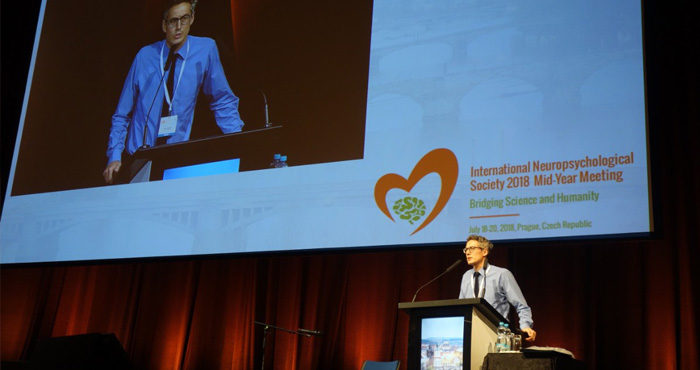
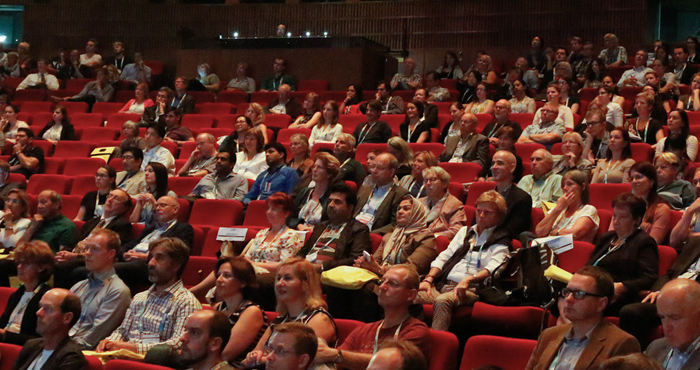
The 2018 International Neuropsychological Society mid-year meeting in Prague created a useful setting for examining how scientific advances can improve care after traumatic brain injury. Discussions involving neuropsychology, neuroscience, rehabilitation, and clinical practice were especially relevant to athletes, whose symptoms may be hidden by determination to return to competition.
Sports-related concussion is often treated as a brief interruption, yet recovery can involve memory problems, slowed processing, headaches, dizziness, sleep disruption, mood changes, and reduced confidence. A humane approach recognizes that the injury affects the person’s education, work, relationships, and identity as much as athletic performance.
The conference emphasis on cultural awareness also matters. Decisions about reporting symptoms, resting, accepting medical advice, and returning to play are influenced by family expectations, team culture, language, financial pressure, and access to specialist care.
Recognizing More Than A Visible Injury
A key neuropsychological issue is that traumatic brain injury does not always produce obvious physical signs. An athlete may walk normally while struggling to concentrate, organize tasks, tolerate noise, or remember instructions. Standard sideline observations can therefore miss problems that emerge later in the classroom, workplace, or home.
Assessment should combine symptom reports, neurological examination, cognitive testing, behavioral observation, and information from people who know the athlete well. Baseline testing can provide useful context, but it should not be treated as a pass-or-fail certificate. Reliable clinical judgment remains essential when test scores appear normal but everyday functioning has changed.
Recovery Requires Individual Judgment
Conference discussions about clinical practice support a gradual, evidence-informed return to activity rather than a rushed timetable. The athlete’s progression should reflect symptom stability, cognitive endurance, balance, exertion tolerance, and the demands of the specific sport.
A collision athlete, gymnast, goalkeeper, and endurance runner may face different risks during recovery. Training modifications, academic accommodations, reduced screen exposure, sleep regularity, and psychological support can help restore function while preventing the cycle of symptom flare-ups followed by forced rest.
| Clinical concern | Practical implication |
|---|---|
| Headache or dizziness | Reduce exertion and assess triggers before increasing activity |
| Slowed thinking | Adjust school, work, and play demands |
| Emotional changes | Include psychological screening and supportive counseling |
| Pressure to return | Use independent medical oversight and clear communication |
| Repeated injuries | Review cumulative risk, recovery history, and long-term welfare |
The Importance Of Humane Communication
Athletes may minimize symptoms because they fear losing a position, disappointing teammates, or being labeled unreliable. A clinician who simply instructs an athlete to stop playing may be correct medically but ineffective therapeutically if the person feels ignored or judged.
Clear explanations can improve cooperation. Athletes need to understand why symptoms matter, what recovery milestones mean, and how temporary restrictions protect future participation. Families, coaches, teachers, and athletic staff should receive consistent guidance, while confidentiality and the athlete’s autonomy remain central.
The same principle applies to conference participation itself. Attendees traveling through Prague could consult the meeting’s public transport guidance while engaging with broader conversations about accessible, coordinated care for patients and athletes.
Culture Shapes Injury Reporting
Cultural considerations are vital in sports medicine. Some athletes are taught that pain proves commitment, while others may distrust medical systems because of previous experiences or limited access to care. Language barriers can also alter how symptoms are described, especially when fatigue, irritability, or cognitive fog are difficult to explain.
Neuropsychological practice should therefore use culturally responsive interviews and avoid assuming that silence means recovery. Clinicians can ask about team expectations, family beliefs, educational responsibilities, and practical barriers to follow-up. This approach makes assessment more accurate and treatment more realistic.
From Brain Science To Rehabilitation
Neuroscience helps explain why recovery can fluctuate. Brain networks involved in attention, executive control, emotional regulation, and sensory integration may need time to function efficiently after injury. Symptoms can worsen with sleep loss, stress, intense visual stimulation, dehydration, or a sudden increase in workload.
Rehabilitation should match the athlete’s profile rather than rely on a single intervention. Targeted cognitive therapy, vestibular treatment, exertion programs, sleep management, and psychological care may each have a role. Monitoring progress across settings can reveal gains that are not captured by a short clinic appointment.
Building Safer Return-To-Play Decisions
A responsible return-to-play process is collaborative and staged. Medical professionals should document symptoms, communicate with relevant support systems, and identify objective and functional markers for progression. The final decision should prioritize long-term health over a particular match, season, or scholarship opportunity.
Recommendations for teams and clinical services include:
- Create a reporting culture in which symptoms are treated as medical information rather than weakness.
- Pair cognitive and physical evaluation with feedback from family, teachers, and coaches.
- Provide written recovery plans with clear restrictions, milestones, and follow-up dates.
- Review repeated concussions and prolonged symptoms with a specialist team.
- Train staff to recognize subtle changes in behavior, attention, balance, and communication.
The Prague meeting’s focus on connecting research with humane patient care remains valuable for sports organizations today. Use its neuropsychological perspective to support informed assessment, culturally sensitive communication, and safer decisions that protect both athletic participation and the athlete’s wider life.
General Information
Important information about the meetingIndustry
Support and exhibition opportunitiesCzech Republic
Beautiful country situated in the very heart of EuropeContact
How can we help you?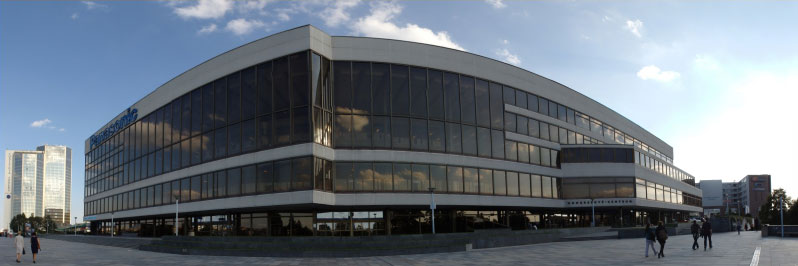
Prague Congress Centre (KCP)
5.května 65140 21 Prague 4
Czech Republic
Phone: +420 261 171 111
Website: www.kcp.cz