


Assessing praxis and limb apraxia in corticobasal degeneration
Praxis is the brain’s capacity to plan and execute learned purposeful actions. In corticobasal degeneration (CBD), impaired tool use, imitation, gesture and facial movement can progress alongside asymmetric weakness, speech disturbance, apathy and executive dysfunction. Assessment must separate motor planning failure from weakness, sensory loss, ataxia and difficulty understanding instructions.
An assessment is most useful when it links laboratory findings to daily function, supports the person’s autonomy and clarifies services and safety needs. For Australian clients, that means considering cultural and linguistic background, informal carers, telehealth, local service availability and the legal framework for consent and decision-making.
Clinical reasoning behind the assessment
Distinguishing corticobasal syndrome (CBS) from the pathological diagnosis of CBD matters. The former describes a clinical pattern; the latter cannot be established from bedside testing alone. Limb apraxia is especially informative when it is asymmetric, affects familiar tool use and cannot be explained by primary motor or sensory impairment.
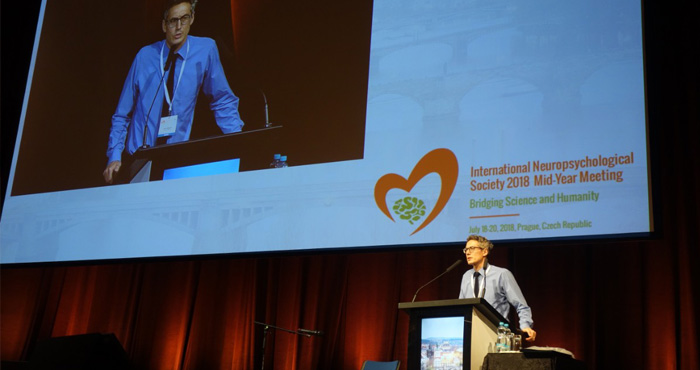
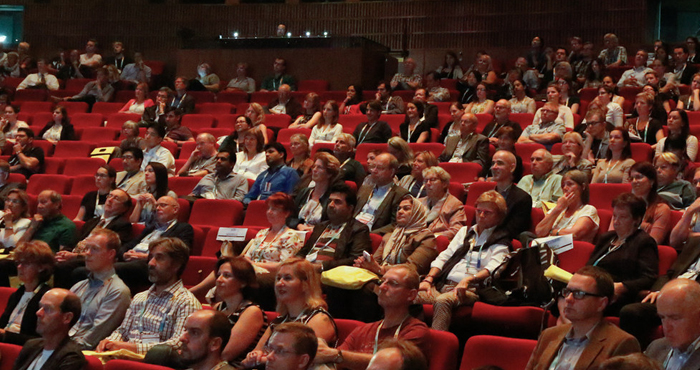
The INS 2018 Prague meeting, held on 18–20 July, linked scientific advances with humane care; its program session guide provides context for this multidisciplinary task.
History and everyday function
A semi-structured interview should establish onset, progression, dominant hand, education, occupation, languages and injuries. Collateral accounts from a spouse, adult child or unpaid carer can reveal change that brief testing misses. Record medications, pain, arthritis, mood and sleep, because each can imitate or worsen motor inefficiency.
Ask about culturally familiar sequences rather than relying only on laboratory objects: preparing tea, using a phone, gardening, handling tools, taking public transport or managing work. In Australia, observations about driving, community mobility and breakfast routines often expose safety issues earlier than a score does. With consent, record a short sample of a familiar task.
Bedside and formal praxis testing
Begin with handedness, hearing, vision, comprehension, motor power and sensation. Then examine imitation, symbolic gestures, pantomime and actual object use. Tea-making and tool-use tasks can reveal ideational errors, while a toothbrush or hammer can expose ideomotor substitutions. Record the side, cueing effect and whether errors persist when the object is present.
Formal measures may include the Edinburgh Motor Apraxia Scale, apraxia screens and the Naturalistic Action Test, but no single score should dominate. Pair standardised tasks with observation and informant scales. Record whether errors extend to the mouth or legs, as transmodal apraxia can affect speech or gait. Evaluate oral praxis, apraxic agraphia, executive control and language so that hand apraxia is not mistaken for a broader cortical syndrome.
Differential diagnosis and progression
Progressive asymmetric apraxia can occur with post-stroke corticobasal syndrome, primary progressive apraxia, Parkinson disease, progressive supranuclear palsy, frontotemporal dementia and motor neurone disease. Vascular lesions, neuropathy and depression also alter performance. Movement-disorder review and brain imaging help identify alternative or mixed causes.
Serial reassessment is more informative than a one-off profile. Track whether errors spread, whether verbal instruction worsens, and whether alien-limb phenomena, grasp reflex or impulsivity emerge. These features refine the syndrome, guide support and avoid attaching a definitive disease label to a fluctuating presentation.
Neuropsychological and medical workup
The wider workup may include cognitive testing, medication review, MRI and selected laboratory or sleep studies; biomarkers are interpreted in specialist context. Neuropsychology contributes memory, attention, language, visuospatial and executive findings. Tele-assessment can be useful for follow-up, yet tele-neuropsychology practice guidance should shape decisions about task visibility, cueing and privacy.
Reports should explain strengths, practical implications and uncertainty in plain English. Driving fitness, falls, swallowing, communication and capacity may need separate action plans, including referral to the relevant licensing authority where indicated. Share only relevant findings with carers or services under Australian privacy principles, and document the person’s consent and any lawful limitations.
Australian practice, access and law
Services are concentrated in major cities such as Melbourne, Sydney, Brisbane and Perth, while regional and remote clients often face travel and wait-list burdens. Private neuropsychology and hospital memory clinics operate alongside Medicare pathways, private insurance and the National Disability Insurance Scheme. A GP referral and eligible provider may be needed for Medicare-rebated psychological services.
Under the National Disability Insurance Scheme Act 2013, eligible participants may be able to fund assessments; older people may instead enter aged-care pathways. The Privacy Act 1988 and state health-records rules shape information sharing. Capacity and substituted decision-making laws vary by state and situation, so clinicians should not infer consent from family presence alone.
Telehealth expands access but may be unsuitable for some motor, sensory or communication needs. For Aboriginal and Torres Strait Islander clients, collaboration with community-controlled health services or accredited interpreters can be important. Families seeking background material can use a health information resource alongside clinician guidance, while retaining control over personal information.
Practical assessment recommendations
A defensible assessment combines interview, observation, standardised measures and medical review:
- Interview the person and a knowledgeable informant separately, documenting onset, progression and concrete activities of daily living.
- Test both upper limbs with standardised and naturalistic tasks, recording error type, laterality and response to cues.
- Screen strength, sensation, coordination, comprehension, mood and medication effects before attributing failure to apraxia.
- Include language, oral praxis, writing, memory and executive functions to characterise the broader syndrome.
- Repeat the assessment at meaningful intervals with consistent tasks and report practical changes, not only scores.
- Record consent, privacy, driving, falls, swallowing and service needs, and refer medical concerns appropriately.
Applied together, these steps establish a reproducible baseline, connect impairment with everyday consequences and support person-centred planning as the illness changes.
General Information
Important information about the meetingIndustry
Support and exhibition opportunitiesCzech Republic
Beautiful country situated in the very heart of EuropeContact
How can we help you?
Prague Congress Centre (KCP)
5.května 65140 21 Prague 4
Czech Republic
Phone: +420 261 171 111
Website: www.kcp.cz