



The INS 2018 program: can’t-miss sessions
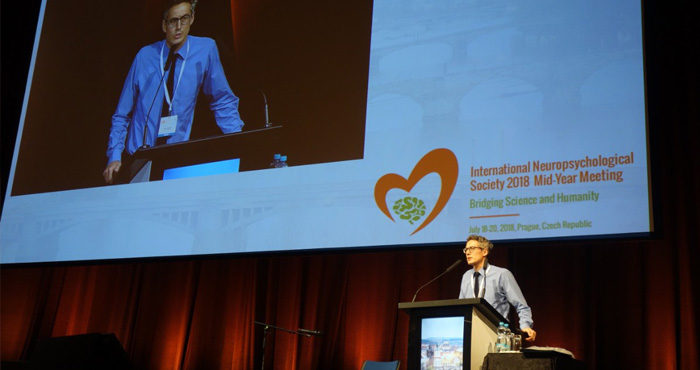
The International Neuropsychological Society’s 2018 mid-year meeting in Prague brought together research, clinical practice, and the human realities of brain health. Held from July 18–20, the conference was designed for professionals interested in how scientific discoveries can improve assessment, treatment, and everyday patient care.
The program offered more than a sequence of academic presentations. Its strongest sessions connected neuroscience with cultural context, aging, rehabilitation, and practical decision-making. That balance made the meeting valuable for clinicians, researchers, students, and anyone following developments in neuropsychology.
Reviewing the program today provides a useful way to understand the meeting’s priorities. Several themes stand out as especially relevant: dementia diagnosis, mild cognitive impairment, patient-centered assessment, continuing education, and the exchange of ideas through posters and workshops.
A scientific program with a human focus
The meeting’s central appeal was its effort to bridge scientific advances with humane care. Neuropsychological data can clarify memory, attention, language, and executive functioning, but meaningful practice also requires sensitivity to a patient’s culture, history, expectations, and quality of life.
That perspective shaped the program’s clinical relevance. Sessions were positioned within the larger task of helping people and families navigate neurological illness, uncertainty, recovery, and adaptation. The result was a conference agenda that treated assessment as both a scientific process and a deeply human encounter.
Dementia diagnosis and the aging brain
Dementia assessment was an essential theme for a field facing an aging global population. Presentations in this area would have been particularly useful for understanding how cognitive profiles, biomarkers, medical history, and functional changes can be considered together rather than interpreted in isolation.
The meeting’s discussion of early detection also remains timely. Researchers and clinicians continue to refine how they distinguish normal aging from neurological disease and how they communicate uncertain findings responsibly. A detailed look at dementia diagnosis advances adds context to the scientific questions that informed these sessions.
Mild cognitive impairment and early change
Mild cognitive impairment occupied an important space between expected age-related changes and more disabling decline. Sessions focused on this area could help attendees evaluate subtle memory and executive difficulties while recognizing that progression is not identical for every individual.
The topic also highlights the importance of longitudinal thinking. A single test score rarely tells the full story; education, language, mood, sleep, medical conditions, and everyday functioning can all affect performance. The conference’s mild cognitive impairment findings offer a useful companion to the program’s broader focus on early cognitive change.
From neuroscience to clinical practice
A strong neuropsychology meeting must translate laboratory knowledge into decisions that help patients. Sessions connecting neuroscience with clinical work likely appealed to attendees who wanted clearer links between brain systems, cognitive performance, diagnosis, and intervention planning.
This bridge is especially important when evidence is complex. Clinicians must interpret new findings without losing sight of the person being assessed. Discussions involving rehabilitation, outcome measurement, and culturally responsive practice can help transform emerging research into better conversations, referrals, and care plans.
Workshops, posters, and continuing education
The formal program was complemented by workshops, poster presentations, and continuing education opportunities. Workshops typically provide a more focused setting for developing assessment knowledge or clinical skills, while posters allow attendees to explore a wider range of emerging research in shorter conversations.
Each format serves a different purpose within a professional meeting:
| Program format | Best suited to | Value for attendees |
|---|---|---|
| Plenary or featured session | Broad scientific themes | Shared perspective and major research directions |
| Clinical presentation | Assessment and patient care | Practical interpretation and application |
| Continuing education workshop | Structured skill development | Deeper learning and professional credit |
| Poster session | New or specialized studies | Direct discussion with investigators |
| Networking or social program | Professional exchange | Collaboration and informal knowledge sharing |
The combination encouraged both concentrated learning and discovery. Someone attending for dementia research could still encounter work on rehabilitation, culture, pediatric assessment, or cognitive neuroscience through the poster listings and informal discussions.
A practical way to prioritize sessions
Because a three-day program can contain competing interests, the most effective approach is to organize sessions around a personal learning goal. A clinician might prioritize diagnostic updates and workshops, while a researcher could focus on posters, methods, and emerging neuroscience.
A simple planning method can make the program easier to navigate:
- Choose one central theme, such as dementia, rehabilitation, or cultural neuropsychology.
- Reserve time for at least one hands-on or continuing education workshop.
- Use poster sessions to investigate topics outside the main schedule.
- Leave space for discussion, networking, and unexpected discoveries.
This approach preserves flexibility without losing direction. It also reflects the spirit of the Prague meeting: rigorous research was most useful when connected to collaboration, clinical judgment, and the varied needs of patients.
The INS 2018 program remains a valuable snapshot of neuropsychology at a moment when early diagnosis, neuroscience, and humane care were becoming increasingly interconnected. Explore the session themes, journal coverage, program materials, and Prague conference resources to see how the meeting’s ideas continue to inform contemporary neuropsychological practice.
General Information
Important information about the meetingIndustry
Support and exhibition opportunitiesCzech Republic
Beautiful country situated in the very heart of EuropeContact
How can we help you?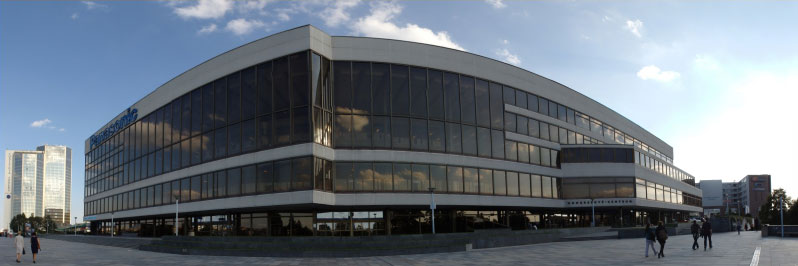
Prague Congress Centre (KCP)
5.května 65140 21 Prague 4
Czech Republic
Phone: +420 261 171 111
Website: www.kcp.cz