



Neuroprotective effects of exercise on cognitive aging
Regular physical activity is increasingly recognised as a practical way to support brain health across later life. Aerobic movement, strength training, balance work and mentally engaging activities can influence the biological processes associated with memory loss and age-related cognitive decline.
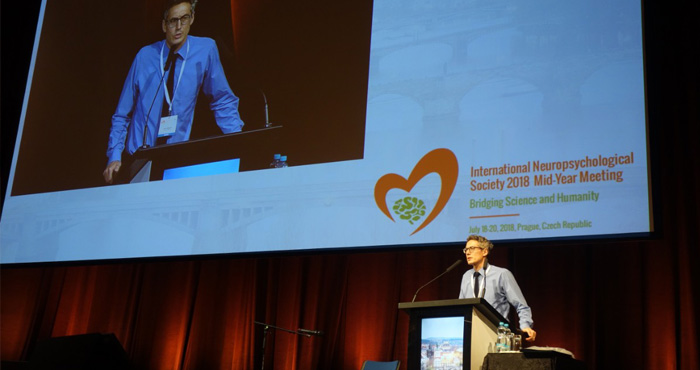
For neuropsychology, the value of exercise extends beyond fitness. It connects neuroscience with everyday clinical care, cultural expectations and the routines people can sustain at home, in community groups or through health services. This perspective reflects the broad clinical and scientific interests represented at the INS 2018 meeting in Prague.
How movement supports the ageing brain
Exercise increases blood flow to the brain and may improve the delivery of oxygen and nutrients to regions involved in learning and memory. Regular activity is also associated with healthier blood vessels, improved insulin regulation and reduced systemic inflammation, all of which may help preserve neural function over time.
Physical activity can stimulate neurotrophic factors, including brain-derived neurotrophic factor, which supports synaptic plasticity. This does not mean exercise can prevent every form of dementia, but it provides a credible biological pathway through which movement may help maintain cognitive reserve.
Evidence from neuropsychological research
Studies commonly report benefits in executive function, processing speed, attention and some aspects of memory. The strongest results often appear when exercise is performed consistently over weeks or months rather than as a short-lived burst of activity.
Research methods still vary considerably. Age, baseline fitness, medication, education, sleep and health conditions can affect outcomes, while different studies use different exercise intensities and cognitive tests. Neuropsychologists therefore need to interpret promising findings carefully and avoid presenting physical activity as a universal treatment.
Aerobic training and brain circulation
Walking, cycling, swimming and dancing can raise cardiovascular fitness without requiring specialised equipment. Moderate-intensity activity may support vascular health and improve the efficiency of networks involved in concentration and mental flexibility. For many older Australians, brisk walking around a local oval or along a coastal path is an accessible starting point.
Australia’s large distances and hot summers can shape participation. A morning walk in Adelaide, an indoor session in a Melbourne community centre or a shaded route near Brisbane may be more realistic than a fixed prescription that ignores climate and transport. Exercise plans should fit local conditions, mobility and safety concerns.
Strength, balance and dual-task activity
Resistance training helps preserve muscle power, bone health and confidence with everyday movement. These benefits matter for cognition because falls, prolonged inactivity and loss of independence can reduce social contact and limit opportunities for mentally stimulating activity.
Dual-task exercises combine movement with cognitive demands, such as walking while naming animals, following changing instructions or navigating a simple route. Tai chi, dance and supervised balance programs may be especially useful because they require attention, sequencing and adaptive control as well as physical coordination.
Exercise, mood and social connection
Depression, anxiety and loneliness can affect concentration and memory, while regular activity may improve mood and sleep. Group exercise also creates routine and social contact, which can reinforce adherence and provide informal cognitive stimulation through conversation and shared problem-solving.
Programs need to respect cultural preferences and personal identity. In Australia, an Aboriginal health service, a multicultural seniors’ group or a local council recreation program may have more influence than a generic gym membership. Trusted clinicians and community leaders can help frame exercise as a meaningful part of wellbeing rather than a test of athletic ability.
Designing practical clinical programs
A useful prescription should specify frequency, intensity, duration and type of activity, while allowing gradual progression. Screening for cardiovascular risk, pain, falls history and cognitive impairment helps clinicians choose safe options. Short sessions spread through the week may be more achievable than demanding workouts.
Behavioural support is equally important. Pedometers, phone reminders, walking groups and supervised classes can make progress visible. Clinicians may also connect patients with Australian Medicare-funded allied health pathways where eligible, although access, out-of-pocket costs and waiting times vary between metropolitan and regional communities.
Linking research with everyday brain care
The INS 2018 program highlighted the importance of connecting scientific advances with humane clinical practice. That principle remains relevant when discussing exercise: biological mechanisms are valuable, but recommendations must also account for transport, family support, confidence, language and a person’s preferred activities. Historical conference material, including satellite meeting resources, illustrates how neuropsychology brings related research communities together.
Cognitive engagement can complement movement. Music, dance, learning a route, playing a familiar game or taking part in social activities may challenge attention and memory while making exercise enjoyable. Even simple word-based activities, such as spelling games, can add mental stimulation when used appropriately alongside physical activity.
A sustainable message for older adults
The most useful message is that modest, regular movement can contribute to long-term brain health. Someone who begins with ten-minute walks, chair-based strength exercises or a weekly class may gradually build capacity without treating exercise as an all-or-nothing obligation.
Healthcare professionals should present physical activity as one element of a broader cognitive ageing strategy that includes sleep, hearing care, vascular risk management, nutritious food and social participation. Personalised goals and culturally safe support can make the difference between advice that sounds attractive and a routine that genuinely lasts.
General Information
Important information about the meetingIndustry
Support and exhibition opportunitiesCzech Republic
Beautiful country situated in the very heart of EuropeContact
How can we help you?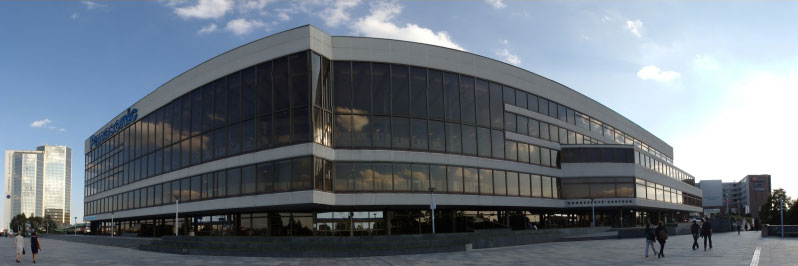
Prague Congress Centre (KCP)
5.května 65140 21 Prague 4
Czech Republic
Phone: +420 261 171 111
Website: www.kcp.cz