



INS 2018 satellite events and symposia
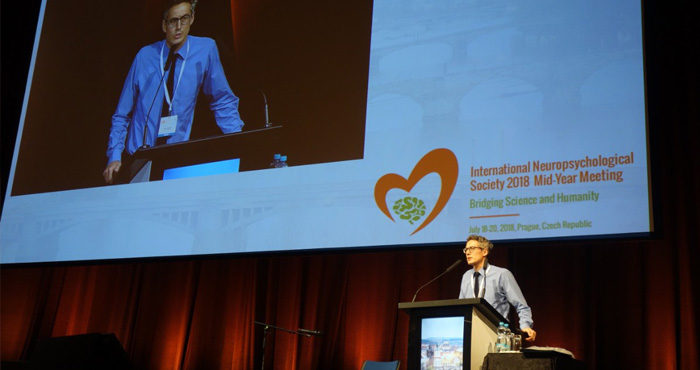
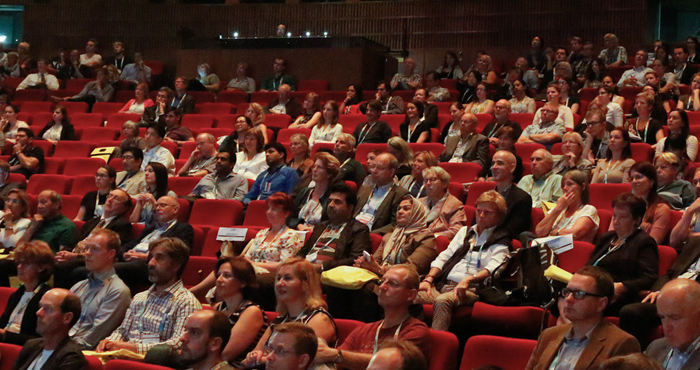
The International Neuropsychological Society mid-year meeting in Prague, held from July 18–20, 2018, brought together research, clinical practice, neuroscience, and culturally responsive care. Alongside plenary presentations and poster sessions, satellite events and symposia gave specialists room to examine focused questions in greater depth.
These sessions were important because neuropsychology depends on dialogue across disciplines. Cognitive assessment, rehabilitation, developmental research, brain science, and patient-centered care often overlap, and smaller academic formats make that overlap easier to explore.
The conference archive remains a useful reference for the meeting’s program, registration information, continuing education opportunities, venue guidance, and poster listings. It also helps place each symposium within the wider structure of the Prague gathering.
A focused layer of the scientific program
Symposia typically bring several speakers together around a shared theme. Rather than presenting isolated findings, contributors can compare methods, discuss conflicting evidence, and show how research translates into clinical decisions. For a neuropsychology audience, this format is particularly valuable when a topic involves assessment, diagnosis, intervention, and long-term outcomes.
Satellite events operate as more specialized extensions of the main meeting. They may support an interest group, highlight an emerging research area, or create additional time for professional exchange. Their smaller scale encourages detailed discussion and can connect established investigators with early-career clinicians and researchers.
Connecting neuroscience with humane care
The Prague meeting emphasized the relationship between scientific progress and the lived experience of patients. A symposium on cognitive or neurological disorders could therefore be read through several lenses: brain mechanisms, functional impact, family experience, cultural context, and access to appropriate services.
This approach reflects a wider movement in clinical neuropsychology. Strong evidence matters, but so do communication, informed consent, language, education, and the patient’s social environment. Discussions that bridge laboratory neuroscience and humane care can help practitioners apply sophisticated findings without losing sight of individual needs.
Comparing the meeting formats
The different session types served distinct purposes within the conference schedule. Understanding those roles makes it easier to interpret the program and identify which events best suited a particular professional goal.
| Format | Main purpose | Typical audience benefit | Best use of time |
|---|---|---|---|
| Symposium | Explore one theme through several coordinated presentations | Compare perspectives and evidence | Building subject knowledge |
| Satellite event | Provide a focused extension or specialist discussion | Engage with a particular network or issue | Deepening a narrow interest |
| Poster session | Share studies in a direct, informal setting | Ask questions of researchers and review emerging work | Discovering new projects |
| Workshop | Develop practical or professional skills | Apply methods with guided instruction | Continuing education |
| Plenary session | Address broad issues across the field | Gain a shared view of major developments | Orienting to the meeting’s priorities |
Cultural and international perspectives
An international neuropsychology meeting must account for differences in language, education, health systems, and cultural expectations. These factors influence test performance and shape how patients understand illness, disability, treatment, and rehabilitation. Symposia could provide a natural setting for examining whether established tools and theories transfer effectively across populations.
Prague also offered an important social setting for professional exchange. Attendees could extend conversations beyond formal sessions by exploring the city’s history, architecture, museums, and public spaces through this Prague after-hours guide. Informal encounters often strengthen the collegial relationships that support future research and clinical collaboration.
Making sense of posters and workshops
Satellite discussions and symposia work best when considered alongside the poster program. Posters often present early findings, pilot studies, or focused clinical observations, while a symposium can supply broader theoretical or methodological context. Moving between these formats allows attendees to connect established knowledge with developing work.
Continuing education workshops added a practical dimension. Their emphasis on assessment procedures, intervention strategies, professional standards, or applied neuroscience could help participants turn conference learning into workplace activity. Reviewing workshop descriptions in advance would also help attendees avoid schedule conflicts with high-priority symposia.
Planning a productive conference visit
A useful schedule balances concentration with flexibility. Attendees could reserve time for sessions closely aligned with their practice, then leave space for posters, professional conversations, and unexpected discoveries. The venue, public transport information, and daily timetable were practical parts of that planning process.
The following priorities would support a focused visit:
- Select symposia that connect directly with current clinical or research responsibilities.
- Pair broad plenaries with smaller sessions that offer methodological detail.
- Set aside time for posters from emerging researchers and related disciplines.
- Treat workshops as opportunities to develop skills, not simply collect credits.
- Record key references, collaborators, and follow-up actions during each event.
The value of a satellite program often continues after the final session. A useful presentation may prompt a literature review, a revised assessment protocol, a research partnership, or a more culturally sensitive conversation with patients and families.
Explore the INS 2018 program and related Prague resources to reconstruct the meeting’s academic landscape, identify relevant symposium themes, and carry its emphasis on evidence-based, compassionate neuropsychological practice into current work.
General Information
Important information about the meetingIndustry
Support and exhibition opportunitiesCzech Republic
Beautiful country situated in the very heart of EuropeContact
How can we help you?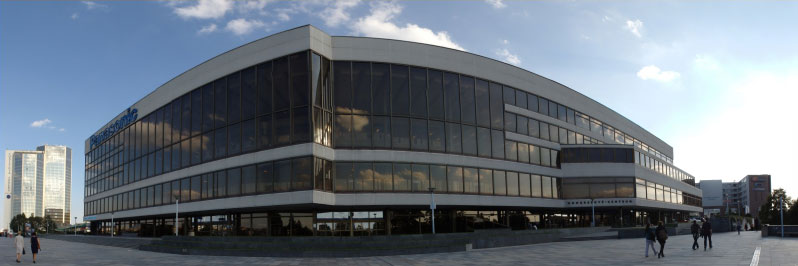
Prague Congress Centre (KCP)
5.května 65140 21 Prague 4
Czech Republic
Phone: +420 261 171 111
Website: www.kcp.cz