


Cognitive recovery in left-handed stroke survivors
Cognitive recovery after left hemisphere stroke in left-handed individuals varies widely because handedness is only one clue about brain organisation. Most left-handers still rely on the left hemisphere for language, although bilateral or right-sided language networks occur more often than in right-handers. Aphasia, slowed processing, memory difficulty and communication problems can therefore follow different patterns.
Progress is often quickest during the first weeks and months, yet gains may continue for years. Lesion size and location, initial function, mood, health and access to therapy matter more than handedness alone. Repeated assessment is useful because fatigue and fluctuating attention can make one test misleading.
Australian care commonly begins in a public hospital stroke unit, followed by inpatient, community or home-based rehabilitation. Melbourne, Brisbane, Perth and Sydney all offer specialist stroke services. Patients may say they are “doing rehab”, while Medicare rebates, GP referrals and programme eligibility determine the practical extent of ongoing care.
Recovery planning should follow the survivor's goals and communication preferences, not assumptions about brain anatomy. Family education, accessible information, respite and measures of participation in work, study, driving or community life can reveal progress that scores alone miss.
Handedness and language organisation
Left-handedness does not reliably predict aphasia severity or cognitive outcomes. It changes the chance of atypical language dominance, but it does not create a fixed recovery map. Clinicians should base treatment on current symptoms and detailed testing rather than the label left-handed.
Language may still recover chiefly through left-hemisphere networks, with right-sided regions contributing. Naming, comprehension, reading, writing and conversation should be assessed separately. Neuropsychological review can clarify strengths and weaknesses; fMRI or Wada testing is reserved for selected clinical questions rather than routine rehabilitation.
Assessment and rehabilitation targets
A baseline assessment turns broad recovery goals into manageable treatment targets.
- Language: naming, comprehension, repetition, reading and writing.
- Memory: working memory, new learning and delayed recall.
- Thinking: attention, initiation, planning and self-monitoring.
- Wellbeing: mood, fatigue, sleep and medication effects.
Progress can then be compared under similar conditions and with familiar everyday tasks.
- Communicating a chosen message reliably.
- Managing appointments, medication and household routines.
- Rebuilding confidence for work, driving or community activity.
- Practising at home with usable feedback.
Speech pathologists, occupational therapists and neuropsychologists should coordinate these goals, while a GP reviews medical barriers. Repeated measures show change without making temporary fatigue look like permanent decline.
Australia's rehabilitation pathways
Australia's public system provides emergency stroke treatment and early rehabilitation in major hospitals, whereas private insurance may affect elective choices rather than acute public care. After discharge, a GP can refer patients to eligible Medicare-funded therapy. Older people may use aged-care services; eligible participants under 65 can access the National Disability Insurance Scheme when ongoing disability requires support.
Outside capital cities, telehealth can connect patients in rural, regional and remote communities with metropolitan clinicians. In Western Australia and the Northern Territory, travel, workforce shortages and limited local services can alter treatment access. Aboriginal community-controlled health services and Aboriginal health teams can provide culturally grounded rehabilitation close to home.
Culture, family and communication
Aboriginal and Torres Strait Islander survivors may prefer family-centred decision-making, relationship-based care and communication grounded in local protocols. Clinicians should ask what language, kinship and decision-making arrangements feel appropriate rather than assuming a standard family model. Qualified interpreters, rather than relatives, should support important clinical discussions when language assistance is needed.
Multicultural communities also vary in literacy, education and familiarity with hospitals. Written instructions, pictograms and teach-back can reduce misunderstandings. For a left-handed survivor, therapists should ask whether changed handedness or difficulty using familiar objects is new, not assume it reflects worsening cognition.
Learning across conferences
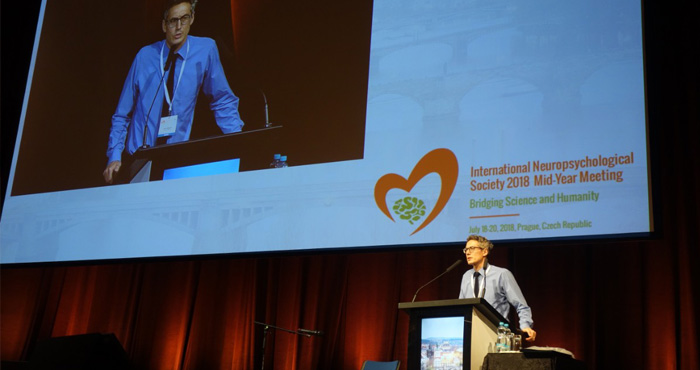
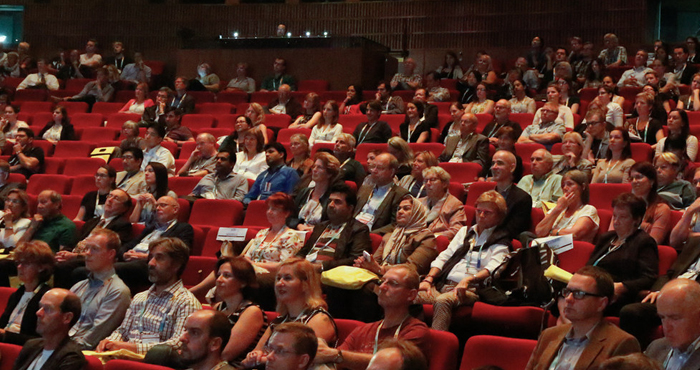
International meetings can accelerate practice by bringing research, clinical experience and cultural perspectives into the same room. At the INS 2018 mid-year meeting in Prague, ordinary breaks encouraged these exchanges; Prague’s coffee culture shows how coffee can support informal conversation between workshops. Such contact does not replace evidence, but it can prompt thoughtful comparison of outcomes and service models.
Clinicians returning to Australia can test ideas through local audit, peer supervision and continuing education. Poster discussions are useful when they connect neural mechanisms to communication goals and humane care. Shared cases also help teams distinguish promising observations from claims that are not yet supported.
Progress beyond the first year
Improvement at six or twelve months can still be clinically meaningful, especially in language, task efficiency or confidence. Practice must be graded because long sessions may worsen fatigue and frustration. Goals should shift from restorative exercises to real activities that matter to the person.
Work trials, supported study, community appointments or driving assessment may reveal different needs from clinic tasks. A plateau is not proof that rehabilitation has failed; it may indicate that goals, environment, equipment or treatment intensity need adjustment.
Medical factors in slower recovery
Recovery may slow when another illness interrupts sleep, endurance or concentration. Respiratory infection, pain, medication effects, depression and sleep apnoea should be reviewed before increasing cognitive demand. If chronic lung disease is present, sputum production and oxygen saturation may require investigation. For bronchiectasis or immune compromise, information on epidemiology and treatment challenges can inform specialist review.
Nontuberculous mycobacterial disease is uncommon but can be persistent and demanding. Repeated assessment should therefore include physical capacity and infection status alongside language and memory. Medical treatment can stabilise participation, allowing rehabilitation to resume at a sustainable level without placing excessive pressure on a fatigued or breathless patient.
General Information
Important information about the meetingIndustry
Support and exhibition opportunitiesCzech Republic
Beautiful country situated in the very heart of EuropeContact
How can we help you?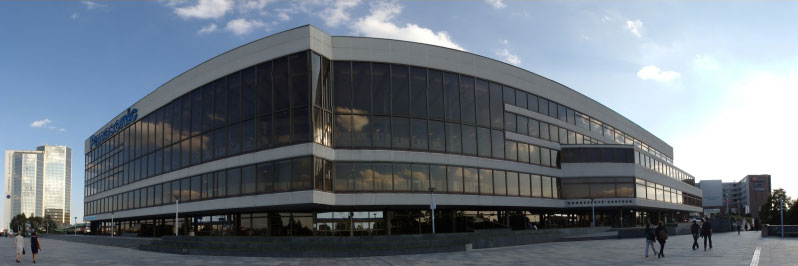
Prague Congress Centre (KCP)
5.května 65140 21 Prague 4
Czech Republic
Phone: +420 261 171 111
Website: www.kcp.cz