




Prague Coffee Breaks For Neuropsychology Conferences
A conference day can be intellectually demanding, especially when presentations, workshops, poster sessions, and professional conversations fill every hour. In Prague, a coffee break offers more than a quick caffeine fix. It can create a quiet interval for processing new ideas, meeting colleagues, or simply looking away from a screen.
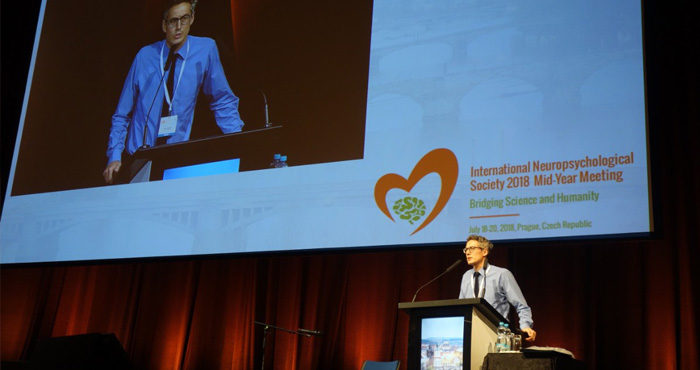
For visitors connected with the International Neuropsychological Society’s 2018 mid-year meeting, the city provides an appealing contrast to formal academic settings. The meeting centered on scientific progress, humane care, cultural awareness, and clinical practice, while Prague’s cafés offer an informal place to reflect on those themes.
The best coffee stop does not need to be elaborate. A traditional café near the conference venue, a modern espresso bar, or a peaceful table beside a tram route can support a useful reset between sessions.
Coffee As A Conference Reset
Short breaks can help attendees shift from passive listening to active discussion. Stepping outside for a few minutes, walking to a café, and choosing a drink gives the mind a change of pace without requiring a long detour from the program.
A café also supports the social side of a meeting. Two colleagues can compare notes over espresso, while a larger group may prefer a spacious coffeehouse with pastries and comfortable seating. These informal conversations often connect separate areas of neuropsychology in ways that scheduled sessions cannot.
Where To Find A Calm Cup
Prague’s historic center is filled with cafés, but the most famous streets can become crowded during the day. Near Old Town Square and the Charles Bridge, visitors will find beautiful architecture and plenty of coffee options, although seating may be limited at peak times.
For a quieter pause, look toward side streets in New Town, Vinohrady, or the area around Prague’s larger cultural institutions. Independent cafés in these neighborhoods often combine carefully prepared filter coffee with a relaxed atmosphere. A short tram ride can turn a rushed break into a pleasant urban walk.
Ordering With Local Character
Czech café culture includes familiar espresso drinks alongside local habits shaped by Central European coffeehouse traditions. A small espresso is efficient before a workshop, while a cappuccino or flat white suits a longer conversation. Filter coffee is increasingly common in specialty cafés and may be served with a clear explanation of its origin and preparation.
Pairing coffee with a small sweet can make the pause feel more distinctly Prague. Look for koláče, fruit-filled pastries, or a slice of cake. Attendees who prefer less caffeine can choose tea, sparkling water, or a decaffeinated drink while still enjoying the social ritual of a café visit.
Comparing Break Options
The right stop depends on the length of the interval, the size of the group, and the kind of mental recovery needed. A nearby takeaway counter works when the next lecture starts soon, while a seated café is better for reviewing poster notes or discussing a clinical presentation.
Planning ahead is particularly useful for conference groups. Check opening hours, indoor seating, payment options, and walking time before leaving the venue. Prague’s public transport network makes it easy to explore farther afield, but a short local route is usually more practical during a tightly scheduled meeting.
| Break style | Best for | Typical time | Useful choice |
|---|---|---|---|
| Takeaway espresso | A brief transition | 10–15 minutes | Espresso or iced coffee |
| Quiet neighborhood café | Reading and reflection | 25–40 minutes | Filter coffee and water |
| Traditional coffeehouse | Extended conversation | 45–60 minutes | Cappuccino and pastry |
| Specialty coffee bar | Discussing flavor and craft | 20–35 minutes | Single-origin pour-over |
| Café near a tram stop | Combining travel with a break | 30–50 minutes | Coffee to stay or takeaway |
Caffeine And Cognitive Care
Coffee can support alertness, yet conference visitors should treat it as one part of a broader routine. Water, food, movement, and adequate rest matter just as much when several days of lectures and professional networking place demands on attention.
A balanced break can also encourage more thoughtful discussion of clinical subjects. After hearing about assessment, rehabilitation, or stroke recovery research, colleagues may benefit from a calm setting where they can consider patient experience alongside scientific findings.
Sensitivity to caffeine is another reason to keep choices flexible. Some attendees may manage fatigue with a small coffee, while others may prefer herbal tea or a walk. Offering several options makes a group break more welcoming and avoids turning refreshment into another source of pressure.
A Practical Break Plan
A useful coffee itinerary should fit around the official program rather than compete with it. Mark one dependable café close to the meeting location for short breaks, then reserve a longer visit for the end of the day. This approach provides reliability without removing the chance to discover something new.
Small groups can divide responsibilities: one person checks seating, another reviews the walking route, and someone else confirms the next session time. Keep the route simple, especially in warm weather or on crowded streets.
- Choose a café within a ten-minute walk for short session breaks.
- Carry a reusable water bottle and allow time for ordering.
- Use quieter neighborhoods for focused conversation or note-taking.
- Select a traditional coffeehouse for an evening gathering.
- Confirm tram routes and return time before traveling farther from the venue.
Prague’s cafés can become part of the meeting experience without requiring a formal excursion. A carefully chosen coffee pause supports concentration, encourages cultural exchange, and gives attendees space to connect academic ideas with everyday human experience.
When planning a future conference visit, add two or three cafés to the schedule alongside workshops and poster sessions. Step out, order thoughtfully, and let Prague provide a restorative setting for the conversations that continue after the lecture ends.
General Information
Important information about the meetingIndustry
Support and exhibition opportunitiesCzech Republic
Beautiful country situated in the very heart of EuropeContact
How can we help you?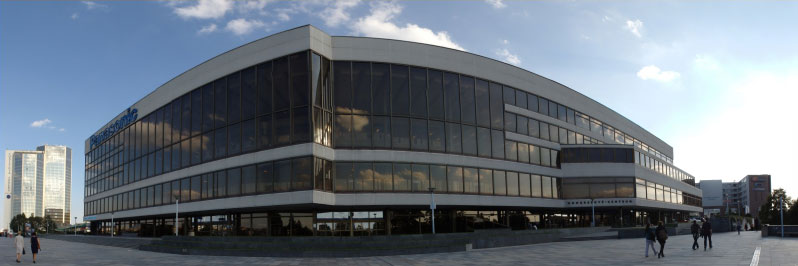
Prague Congress Centre (KCP)
5.května 65140 21 Prague 4
Czech Republic
Phone: +420 261 171 111
Website: www.kcp.cz