




Early Life Stress and Its Lasting Impact on Hippocampal Function
Childhood adversity casts a long biological shadow. Researchers have repeatedly shown that experiences such as neglect, abuse, and household instability during sensitive developmental windows can reshape the medial temporal lobe in ways that persist into adulthood. The hippocampus, a structure central to episodic memory, spatial navigation, and the regulation of the hypothalamic-pituitary-adrenal (HPA) axis, appears particularly vulnerable. Decades of work in humans and animal models now point toward consistent structural shrinkage, altered neurogenesis in the dentate gyrus, and disrupted functional connectivity following exposure to early life stress.
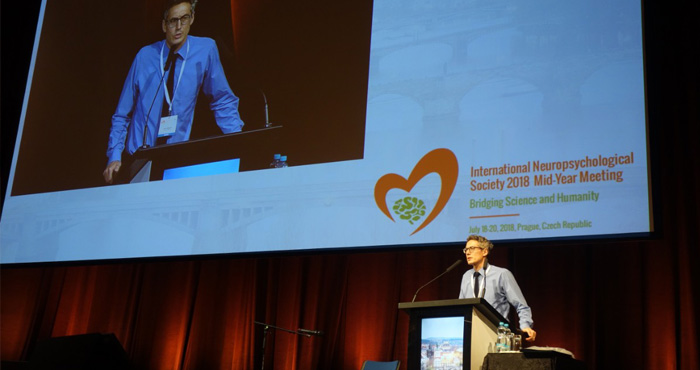
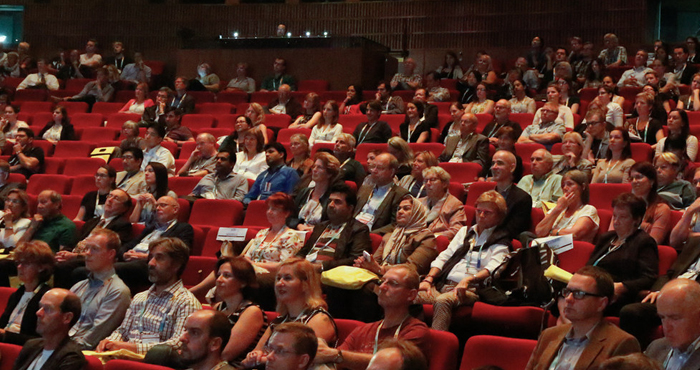
For neuropsychologists and clinicians attending gatherings such as the INS 2018 mid-year meeting in Prague, the topic sits at the crossroads of neuroscience and humane care. Understanding how early adversity becomes biology helps translate findings into trauma-informed assessment and treatment. Australian researchers have been central to this conversation, contributing longitudinal cohort data and culturally responsive intervention frameworks that resonate beyond the lab bench.
Neurobiological Pathways Linking Early Adversity to the Hippocampus
The most widely studied mechanism involves glucocorticoid toxicity. Prolonged or repeated elevations of cortisol during childhood — driven by chronic threat or unpredictable caregiving — can damage CA1 and CA3 pyramidal neurons, reduce dendritic branching, and suppress adult neurogenesis in the subgranular zone. These changes are not merely anatomical. They alter the excitatory-inhibitory balance within hippocampal circuits, which in turn biases emotional learning toward threat detection.
A second pathway runs through inflammation. Children exposed to maltreatment often show elevated pro-inflammatory cytokines, and these molecules cross the blood-brain barrier to impair long-term potentiation. Microglial priming, sometimes called the "two-hit" model, helps explain why a second stressor in adulthood can unmask deficits that remained latent for years. Together, these cascades create a hippocampus that struggles to contextualise fear, distinguish overlapping memories, and regulate downstream stress responses.
Structural and Functional Outcomes in Adults
Meta-analyses converge on modest but reliable reductions in hippocampal volume among adults with documented early adversity, with effect sizes hovering around three to five percent. Functional imaging adds nuance: hyperactivity in the amygdala coupled with relative hypoactivity in the hippocampus during emotional memory tasks suggests that the two structures become functionally uncoupled. Behaviourally, this manifests as impaired pattern separation, overgeneralised autobiographical recall, and difficulty extinguishing conditioned fear.
Memory complaints are common, yet performance on standard neuropsychological batteries often appears preserved. The discrepancy likely reflects compensatory recruitment of prefrontal regions, which can mask hippocampal inefficiency until tasks are sufficiently demanding or ecologically valid. Researchers in Sydney and Melbourne have argued that conventional tests underestimate real-world memory problems, particularly among patients with complex trauma histories.
Australian Research and Cultural Context
Down Under, the field carries a particular responsibility to consider Aboriginal and Torres Strait Islander communities, where the legacy of the Stolen Generations represents one of the most significant population-level exposures to early life stress anywhere in the world. Researchers at the Telethon Kids Institute in Perth and the Menzies School of Health Research in Darwin have documented persistent disparities in mental health outcomes linked to intergenerational trauma, while community-led programs emphasise cultural continuity as a protective factor.
Service delivery adds another layer. Young Australians aged 12 to 25 can access headspace centres across the country, which provide free or low-cost mental health support including cognitive assessments and trauma-focused therapy. Adults seeking trauma-informed psychological care may qualify for Medicare-subsidised sessions under the Better Access initiative, allowing up to twenty rebated appointments per year when referred by a GP. In rural and remote regions — from the Wheatbelt of Western Australia to outback Queensland — telehealth psychology has expanded rapidly, though workforce shortages remain a stubborn barrier.
Clinical Translation and Therapeutic Approaches
Effective interventions tend to share a few features: they stabilise the stress-response system before attempting memory work, they use body-based or relational approaches to engage subcortical circuits, and they titrate exposure carefully. Aerobic exercise, mindfulness, and EMDR all show modest effects on hippocampal outcomes, while cognitive remediation can address the pattern separation deficits that trouble many survivors. For some patients, pharmacological options may form part of a broader treatment plan, though evidence specific to reversing structural hippocampal changes remains preliminary.
A growing frontier involves ecologically valid assessment. Traditional clinic-based memory tests rarely capture the demands of daily life, and recent work has turned to virtual reality to bridge the gap. The piece on VR memory assessment offers a thoughtful overview of platforms that immerse participants in grocery shopping, route learning, and prospective memory scenarios, with measurable sensitivity to hippocampal dysfunction. Such tools may soon complement — though not replace — careful clinical interview.
Future Directions for the Field
Looking ahead, three priorities stand out. First, biomarker discovery needs to move beyond group averages toward individual prediction, integrating genetics, inflammatory profiles, and structural imaging. Second, prevention research must expand, with community-level interventions targeting the caregiving environments that give rise to toxic stress in the first place. Third, the field must keep listening to lived-experience experts, who routinely remind clinicians that biology and meaning are inseparable.
For those tracking the conversation, the conference schedule and registration details are available at https://ins2018.org/important-dates, where attendees can also find information on continuing education workshops focused on trauma and memory. The next several years promise both conceptual refinement and practical tools, and the gap between bench and bedside continues to narrow.
General Information
Important information about the meetingIndustry
Support and exhibition opportunitiesCzech Republic
Beautiful country situated in the very heart of EuropeContact
How can we help you?
Prague Congress Centre (KCP)
5.května 65140 21 Prague 4
Czech Republic
Phone: +420 261 171 111
Website: www.kcp.cz