




Using Virtual Reality for Ecological Assessment of Memory
Memory is often tested in quiet rooms with carefully ordered instructions, standardized materials, and minimal distraction. These conditions support reliable measurement, yet they may not reflect how people remember appointments, find their way through unfamiliar places, or manage several tasks in daily life.
Virtual reality (VR) offers a practical bridge between laboratory control and real-world complexity. A participant can navigate a simulated home, shop, street, or workplace while researchers record prospective memory, spatial learning, attention, and everyday decision-making.
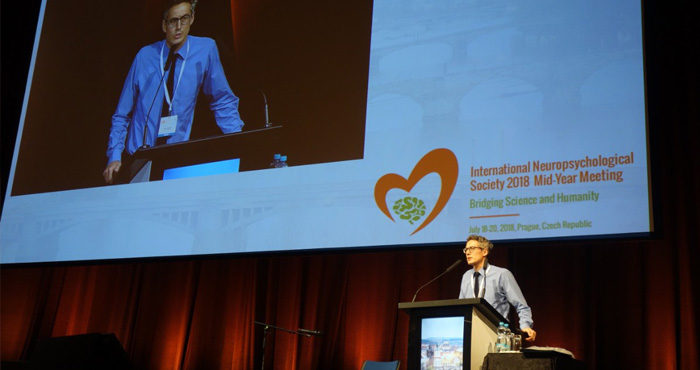
This approach fits the spirit of the International Neuropsychological Society’s 2018 mid-year meeting in Prague, which emphasized links between scientific progress, clinical practice, humane care, and cultural context. The conference archive provides a useful reminder of how neuropsychological assessment can connect technological innovation with patient-centered work.
From Laboratory Tasks To Daily Behavior
Traditional memory tests are valuable because they are standardized and comparatively easy to administer. However, recalling a word list does not always predict whether someone will remember to take medication, locate an item in a busy store, or follow a route after a change in routine.
Ecological assessment addresses this gap by placing memory demands inside meaningful situations. VR preserves experimental control while adding realistic cues, competing information, movement, and time pressure. The resulting performance may reveal functional difficulties that remain hidden during conventional paper-and-pencil testing.
How Virtual Environments Measure Memory
A virtual environment can be designed around a specific cognitive question. A participant might learn the layout of a building, remember to deliver a message later, or retrieve information while completing an unrelated task. Researchers can then examine accuracy, delays, errors, navigation choices, and reliance on prompts.
These measures extend beyond simple recall. Spatial memory, event-based prospective memory, working memory, and source memory can be studied within the same scenario. Eye movements, walking patterns, controller use, and physiological signals may add further information, provided that the equipment does not create unnecessary cognitive or motor demands.
Clinical Value And Patient Experience
Immersive assessment may help clinicians understand how memory impairment affects independence. For example, a simulated pharmacy visit could show whether a person can retain instructions while selecting products and responding to distractions. Such observations can support rehabilitation planning and discussions with families.
The experience must remain humane and accessible. Motion sickness, visual sensitivity, hearing loss, limited technology familiarity, and anxiety can influence results. Clinicians should explain the task clearly, offer breaks, monitor discomfort, and distinguish memory errors from problems caused by the interface or unfamiliar controls.
Comparing Assessment Approaches
| Approach | Main Strength | Common Limitation | Useful Application |
|---|---|---|---|
| Standardized paper tests | Strong norms and efficient scoring | Limited everyday realism | Initial screening and diagnostic comparison |
| Desktop virtual tasks | Controlled scenarios with modest equipment needs | Less natural movement and immersion | Spatial learning and route memory |
| Head-mounted VR | Rich environmental cues and realistic interaction | Motion sickness, cost, and setup demands | Functional memory and multitasking |
| Real-world observation | High ecological relevance | Difficult to standardize and replicate | Activities of daily living |
| Hybrid assessment | Combines control with functional relevance | Requires careful coordination | Clinical research and rehabilitation planning |
The best method depends on the referral question, participant abilities, and resources. VR should complement validated neuropsychological measures rather than replace them automatically. Comparing virtual performance with interview data, caregiver reports, and real-world functioning can produce a more balanced interpretation.
Designing Culturally Sensitive Scenarios
Ecological validity is shaped by culture. A virtual supermarket, public transit system, household, or workplace should reflect the participant’s language, routines, literacy expectations, and social environment. Familiarity with local signs and customs can affect performance independently of memory ability.
Researchers should therefore document the cultural assumptions built into each scenario. Translation alone may be insufficient when gestures, currencies, navigation conventions, or household roles differ. Inclusive design improves fairness and makes findings more relevant across populations.
Making Results Clinically Meaningful
VR data become useful when they answer a clear clinical question. A clinician might examine whether memory improves with environmental cues, whether errors increase under distraction, or whether a person benefits from external reminders. These observations can guide compensatory strategies and therapy goals.
Interpretation also requires attention to learning effects. Participants may improve because they understand the controls, become familiar with the virtual setting, or develop a better strategy. Repeated assessments should use alternate scenarios where possible, while retaining enough similarity to measure meaningful change.
Practical Steps For Implementation
A responsible program should begin with a small pilot and include usability testing before formal data collection. Researchers can refine instructions, reduce unnecessary visual clutter, calibrate task difficulty, and establish procedures for cybersickness or technical failure.
Useful planning priorities include:
- Define the everyday memory behavior the assessment is meant to represent.
- Match the device and interaction method to participants’ motor, sensory, and cognitive abilities.
- Record simulator discomfort, technology familiarity, and task engagement alongside accuracy.
- Compare VR findings with established tests and real-world reports.
- Protect privacy when collecting movement, voice, video, or physiological data.
With thoughtful design, virtual reality can make memory assessment more representative without sacrificing scientific rigor. It gives neuropsychologists a way to observe cognition as it unfolds across places, distractions, intentions, and meaningful activities.
Clinicians, researchers, and trainees can build on this framework by reviewing conference materials, testing culturally appropriate scenarios, and evaluating whether each virtual task improves understanding of a person’s everyday needs. Used carefully, immersive assessment can turn advances in neuroscience and technology into clearer, kinder clinical decisions.
General Information
Important information about the meetingIndustry
Support and exhibition opportunitiesCzech Republic
Beautiful country situated in the very heart of EuropeContact
How can we help you?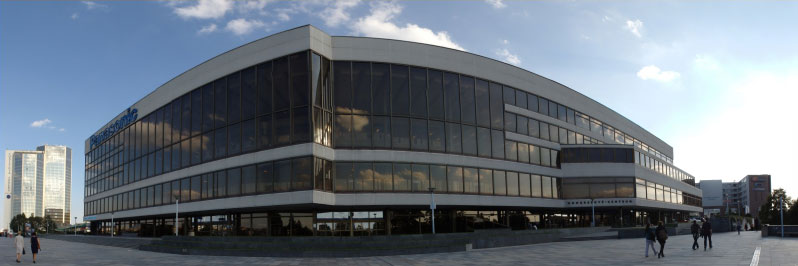
Prague Congress Centre (KCP)
5.května 65140 21 Prague 4
Czech Republic
Phone: +420 261 171 111
Website: www.kcp.cz