



Subtypes of aphasia in primary progressive aphasia
Primary progressive aphasia (PPA) is a neurodegenerative language disorder in which communication difficulties emerge before broader cognitive changes. The pattern varies considerably between individuals, so identifying the clinical subtype helps guide assessment, counselling, communication support and future care planning.
For Australian clinicians, families and students, the distinctions are especially useful when coordinating speech pathology, neurology, occupational therapy and community services. Cultural background, bilingualism, Australian English usage and access to Medicare or the NDIS can all influence how symptoms are recognised and managed.
How primary progressive aphasia differs from stroke aphasia
Aphasia after stroke usually begins suddenly and may stabilise or improve during recovery. PPA develops gradually, with language becoming less efficient over months or years while other abilities can remain relatively preserved in the early stages. The progressive course is a key diagnostic feature.
A detailed history should examine word retrieval, sentence production, comprehension, repetition, reading and writing. Clinicians also consider hearing, mood, medication effects and other neurological conditions. Traumatic brain injury can produce communication disorders with overlapping features; discussions of brain injury research provide useful broader context, although injury-related aphasia is not the same as PPA.
The nonfluent or agrammatic variant
The nonfluent/agrammatic variant, often abbreviated nfvPPA, is marked by effortful, halting speech. People may omit grammatical words, use incorrect word order or struggle to construct complex sentences. Speech can sound distorted because apraxia of speech, a difficulty planning voluntary speech movements, frequently occurs alongside the language impairment.
Understanding of single words may remain fairly strong at first, while grammatically complicated sentences become difficult to interpret. Assessment should therefore include connected speech, repetition of longer phrases and comprehension of syntactically demanding material. Later, swallowing, limb movement and other motor symptoms may become clinically important.
The semantic variant and loss of word meaning
Semantic variant PPA, or svPPA, involves a progressive loss of conceptual knowledge. A person may ask what a familiar word means, use vague descriptions or fail to recognise a previously familiar object, face or animal. Speech can remain fluent and grammatically well formed, but its content becomes increasingly general.
For example, someone might recognise that an item is used in the kitchen but no longer know the meaning of “colander”. Naming problems occur across speaking and writing, and reading irregular words can become impaired. Families in Melbourne, Sydney or regional Australia may first notice these changes during shopping, cooking or conversations about local places and people.
The logopenic variant and word retrieval
The logopenic variant, known as lvPPA, is characterised by frequent pauses while searching for words and difficulty repeating long phrases or sentences. The person may know the intended idea but lose the sound sequence needed to express it. Speech remains relatively fluent, and grammar and single-word comprehension can be comparatively preserved early on.
Short-term verbal memory is often affected, making it hard to retain a series of words long enough to repeat them. Clinicians distinguish lvPPA from ordinary ageing by considering progression, functional impact and the wider neurological picture. Access to a speech pathologist may differ between Brisbane, Perth and smaller communities, making telehealth and coordinated referral pathways valuable.
Assessment, imaging and cultural context
Diagnosis combines language testing with neurological examination, cognitive assessment and brain imaging. MRI or functional imaging may show patterns of atrophy that support a suspected subtype, while cerebrospinal fluid or molecular studies can help identify underlying Alzheimer’s disease or frontotemporal lobar degeneration. No single test should replace a careful clinical history.
Cultural and linguistic factors require particular care. A bilingual speaker may show symptoms differently across languages, and tests based on British or American vocabulary may not reflect Australian English usage. Assessment should account for Aboriginal and Torres Strait Islander language backgrounds, culturally safe practice and the person’s usual communication settings rather than relying on a single clinic task.
Communication support and everyday care
Management is tailored to the individual rather than the label. Speech pathology may focus on supported conversation, gesture, writing, drawing, communication books, tablet-based tools and strategies for preserving personally meaningful words. Conversations are often easier when speakers slow down, allow extra response time and reduce competing noise.
Early planning can clarify driving, employment, finances, substitute decision-making and future care preferences. Families may also adapt home environments and social routines to reduce communication pressure. Resources concerned with accessible spaces and human-centred design can complement clinical strategies, particularly when a home, workplace or community venue needs to support orientation and participation.
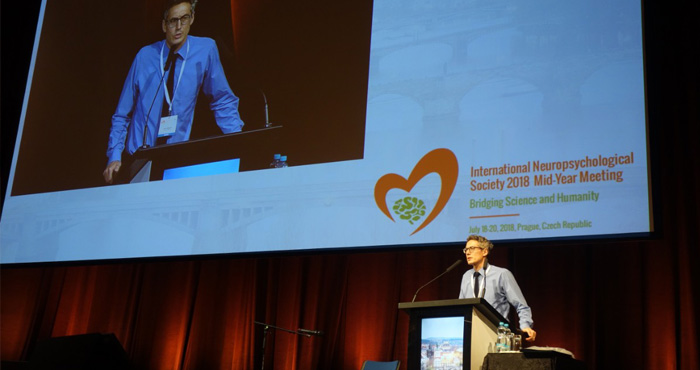
The Prague meeting’s emphasis on linking neuroscience with humane clinical care remains relevant: subtype classification is most valuable when it improves daily communication, respects identity and supports the person beyond the diagnostic terminology. For conference visitors, practical details such as Hotel Ankora also evoke the wider setting in which clinicians, researchers and families exchange ideas about language-led neurodegeneration.
General Information
Important information about the meetingIndustry
Support and exhibition opportunitiesCzech Republic
Beautiful country situated in the very heart of EuropeContact
How can we help you?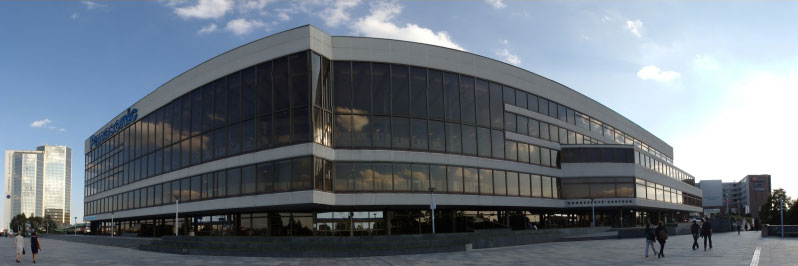
Prague Congress Centre (KCP)
5.května 65140 21 Prague 4
Czech Republic
Phone: +420 261 171 111
Website: www.kcp.cz