




Neuropsychological sequelae of encephalitis: a case series
Encephalitis can leave a person medically stable yet significantly changed in memory, attention, behaviour, language and emotional regulation. These acquired brain changes may emerge after the acute infection has resolved, creating difficulties at home, at work and in relationships that are not always visible during a routine neurological review.
A case-series approach is valuable because recovery rarely follows a single pattern. Some people experience slowed processing and fatigue, while others develop seizures, executive dysfunction, impulsivity, anomia or new psychiatric symptoms. Careful neuropsychological assessment helps connect test performance with practical consequences rather than treating scores as isolated findings.
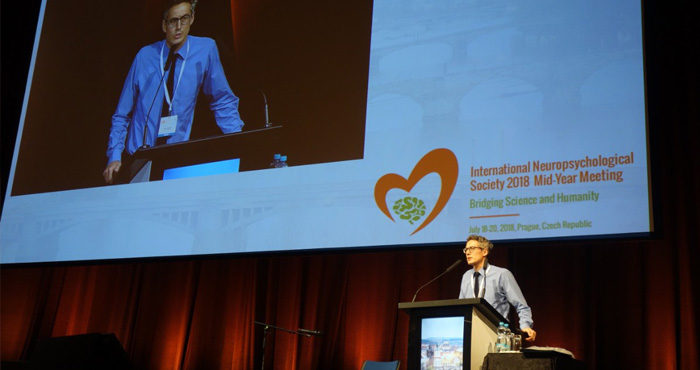
The International Neuropsychological Society meeting in Prague highlighted the importance of linking neuroscience with humane clinical care and cultural context. That perspective remains relevant in Australia, where assessment may involve public hospitals, private clinics, rehabilitation teams, families, schools, employers and the National Disability Insurance Scheme (NDIS).
How encephalitis can alter cognition
The cognitive profile after encephalitis depends on the infectious or autoimmune cause, areas affected, seizure activity, treatment, sleep and premorbid health. Common sequelae include reduced learning efficiency, impaired delayed recall, word-finding problems, distractibility and difficulty shifting between tasks.
Executive changes can be especially disruptive. A person may understand instructions during an appointment but struggle to organise shopping, manage medication or meet deadlines. Mental fatigue can intensify by late afternoon, making a short assessment an incomplete picture of everyday capacity.
Reading a case series carefully
A useful series compares patterns across individuals while preserving each person’s medical history and lived experience. Clinicians should document the timing of encephalitis, intensive care admission, seizures, immunotherapy, mood symptoms and rehabilitation, then interpret test findings against premorbid education, occupation and language background.
Repeated assessment can distinguish gradual recovery from persistent impairment. Practice effects need to be considered, and a stable total score does not necessarily mean functional improvement. Qualitative observations, caregiver reports and performance-based tasks may reveal changes that standardised measures miss.
From test scores to daily functioning
Memory scores become clinically meaningful when they explain missed appointments, repeated questions, unsafe cooking or difficulty following a multistep recipe. Executive-function findings may clarify why a person cannot return to a previously demanding role even when general intelligence appears intact. Research on scores and daily function offers a useful framework for making this connection.
Australian services often need to translate findings into practical supports. In Melbourne or Sydney, a report may guide graded vocational rehabilitation, driving review and workplace adjustments; in regional Queensland or Western Australia, telehealth and visiting services may be essential because specialist appointments can involve long travel.
Behaviour, communication and cultural context
Personality change after encephalitis may reflect frontal-subcortical dysfunction, seizures, medication effects, depression or reduced self-monitoring. Irritability and disinhibition should be described behaviourally, with attention to triggers and safety, rather than reduced to a vague label such as “non-compliant”.
Language and cultural factors also affect interpretation. A culturally safe assessment should consider whether English is a second language, whether an interpreter is required, and how family or community members understand illness. Engagement with Aboriginal and Torres Strait Islander health workers can support respectful care, particularly when standard clinic expectations do not fit local ways of communicating or making decisions.
Medical complications and multidisciplinary care
Neuropsychological rehabilitation works best alongside neurology, occupational therapy, speech pathology, physiotherapy, psychology and primary care. Speech pathologists may address aphasia or swallowing, while occupational therapists examine routines, fatigue management, home safety and return-to-work demands. When swallowing complications require specialist investigation, clinicians may also need to understand procedural risks such as stent migration guidance.
Care plans should identify who will monitor seizures, sleep, mood, medication adherence and cognitive change. Families need plain-language education, realistic recovery goals and advice about supervision. In Australia, coordination between a public hospital and private provider can be uneven, so a concise report with actionable recommendations is particularly valuable.
Rehabilitation and long-term support
Intervention may include external memory aids, structured routines, written instructions, environmental prompts and metacognitive training. Cognitive pacing is often essential: planned rest, shorter tasks and reduced multitasking can protect performance better than simply asking someone to try harder.
Funding and service pathways vary. NDIS eligibility may depend on evidence of permanent functional impairment, while Medicare-funded consultations and hospital rehabilitation have their own limits. In Brisbane, Adelaide or Perth, local neuropsychology availability may differ considerably from that in smaller communities. Ongoing review should therefore measure real-world participation, safety and quality of life alongside cognitive test results.
General Information
Important information about the meetingIndustry
Support and exhibition opportunitiesCzech Republic
Beautiful country situated in the very heart of EuropeContact
How can we help you?
Prague Congress Centre (KCP)
5.května 65140 21 Prague 4
Czech Republic
Phone: +420 261 171 111
Website: www.kcp.cz