



Linking Neuropsychological Scores With Everyday Dementia Care
A neuropsychological test score can describe memory, attention, language, or executive control with impressive precision. It cannot, by itself, show whether someone can manage medications, follow a recipe, pay a bill, travel safely to a familiar shop, or respond to a change in routine. The clinical task is to connect measured cognition with meaningful daily functioning.
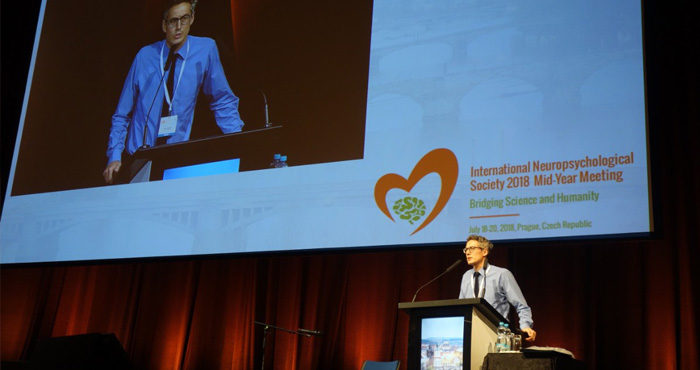
This connection was central to the scientific and humane outlook of the INS 2018 meeting in Prague. For Australian clinicians, researchers and families, the issue remains highly relevant across metropolitan clinics in Sydney and Melbourne, regional services in Queensland and Western Australia, and remote communities where assessment resources may be limited.
What a score can and cannot tell us
A low delayed-recall score may indicate difficulty learning new information, yet the practical effect depends on the person’s routines and supports. Someone who has always relied on a partner to organise appointments may appear independent in conversation while struggling substantially with new financial or medication demands. Conversely, a person with strong compensatory habits may function well at home despite measurable impairment.
Interpretation should therefore combine standardised cognitive results with history, observation and collateral information. An informant interview can reveal missed payments, repeated questions, unsafe driving, neglected meals or difficulty using a mobile phone. These details give clinical meaning to a percentile rank or test index.
Moving from cognition to daily activities
Everyday functioning is often divided into basic activities of daily living, such as dressing and eating, and instrumental activities, such as shopping, cooking, banking and transport. Instrumental activities usually become difficult earlier in dementia because they require planning, sequencing, divided attention and flexible problem-solving.
Performance-based tasks can clarify the link between cognitive abilities and real-world demands. Asking a person to organise a pill schedule, interpret a transport timetable or prepare a simple plan may reveal errors that are missed during a conversational appointment. These tasks should be interpreted carefully, since unfamiliarity with technology or limited literacy can affect performance independently of dementia.
Culture, language and the Australian context
Cognitive scores are shaped by education, language, migration history and cultural experience. An older person who migrated to Australia may be more fluent in a first language than in English, while an Aboriginal or Torres Strait Islander person may have had an educational pathway that differs from the assumptions built into imported norms. A culturally safe assessment requires qualified interpreters where appropriate, respectful history-taking and caution with rigid cut-offs.
Local life also affects functional judgments. In Melbourne, navigating trams may be a familiar routine for one person but an irrelevant task for another. In regional New South Wales, driving may be essential because public transport is sparse. In remote Northern Territory communities, family networks and local knowledge may support functioning in ways a clinic-based test does not capture. Assessment should measure actual responsibilities rather than an abstract version of independence.
Combining evidence across settings
A reliable functional formulation draws on several sources: the person’s account, a family member or carer, medical records, occupational therapy input and direct observation. Disagreement between sources is informative. A patient may report managing online banking successfully, while a daughter describes repeated scam payments; both accounts help define the problem and the support required.
Clinicians can also use tools that assess instrumental activities, medication management, safety awareness and executive functioning. The CENES resource provides a useful reminder of the field’s emphasis on connecting neuropsychological science with clinical relevance. The aim is not to replace test scores, but to place them within a functional hypothesis that can be checked over time.
Longitudinal review is particularly valuable. A small change in memory may have little practical effect when routines are stable, yet a move from a family home to supported accommodation can expose difficulties with orientation, planning and adaptation. Reassessment should track changes in both cognition and the person’s environment.
Turning findings into humane support
Recommendations work best when they are specific, proportionate and linked to observed difficulties. “Needs supervision” is less useful than “use a weekly medication pack, confirm doses by telephone and review adherence with the pharmacist.” In Australia, collaboration may involve a general practitioner, geriatrician, neuropsychologist, occupational therapist, pharmacist and services accessed through My Aged Care.
Families also need explanations that preserve dignity. Functional decline is not a moral failure, and a high level of assistance in one activity does not erase remaining strengths. A person may need help with finances while continuing to cook familiar meals, maintain friendships or participate in decisions about care.
Practical recommendations
- Translate each significant cognitive finding into a likely daily-life consequence and a way to observe it.
- Obtain collateral information from someone who sees the person managing ordinary routines.
- Consider language, schooling, culture, hearing, vision and technology familiarity before interpreting low scores.
- Use performance-based tasks that resemble the person’s real responsibilities in Australia.
- Record environmental supports, including family assistance, transport access, community services and medication systems.
- Frame recommendations around safety, autonomy and achievable participation rather than test performance alone.
- Review cognition and functioning together when routines, health, housing or caregiving arrangements change.
A clinically meaningful assessment answers two linked questions: what cognitive processes are impaired, and what does that impairment mean in this person’s life? The strongest formulation respects test data while giving equal attention to context, relationships and practical consequences. This approach reflects the conference emphasis on humane neuropsychology and can guide care from a specialist clinic in Brisbane to a small regional service near Hobart. The promotion materials from the meeting also reflect how sharing clear, accessible knowledge can help connect research with professional practice and public understanding.
General Information
Important information about the meetingIndustry
Support and exhibition opportunitiesCzech Republic
Beautiful country situated in the very heart of EuropeContact
How can we help you?
Prague Congress Centre (KCP)
5.května 65140 21 Prague 4
Czech Republic
Phone: +420 261 171 111
Website: www.kcp.cz