



Scent as a Signal: Olfactory Assessment in Neurodegeneration
Smell is often described as the most evocative sense, yet clinically it remains one of the most under-examined. In neurodegenerative conditions ranging from Alzheimer's disease to Parkinson's disease, olfactory dysfunction frequently precedes cognitive and motor symptoms by several years. Psychophysical testing of the olfactory system offers a cheap, non-invasive window into brain health long before structural imaging reveals atrophy.
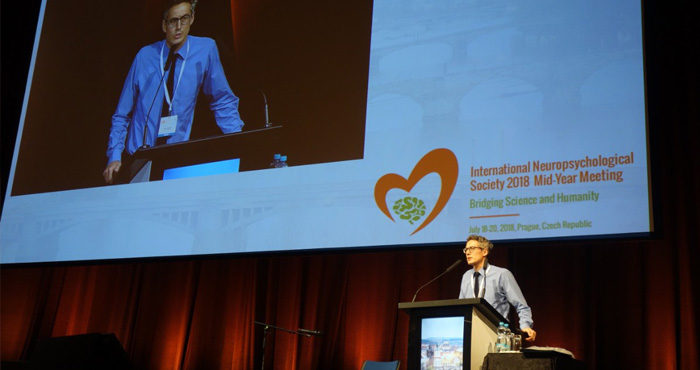
The mid-year meeting in Prague placed strong emphasis on cross-disciplinary dialogue, and the assessment of olfactory function threads through many of the poster abstracts and workshops. Visitors attending sessions near the historic conference venues will find that chemosensory research now extends well beyond traditional ENT settings into memory clinics and primary care.
For Australian clinicians and researchers, the conversation has particular urgency. Ageing cohorts in Melbourne, Sydney, and Adelaide are expanding rapidly, and early detection tools that can be delivered in a standard GP consult hold real promise. The cultural diversity of the population also means normative values developed elsewhere cannot simply be transplanted without validation.
The Brain's Forgotten Sense
Olfactory epithelium contains the only sensory neurons that directly contact the external environment and project axons into the central nervous system. Through this unique connection, environmental toxins and inflammatory mediators can reach the temporal lobe structures implicated in early Alzheimer's pathology. The result is often a measurable reduction in odour identification or threshold sensitivity well before other clinical signs appear.
Neurofibrillary tangles appear first in the transentorhinal cortex, and the olfactory bulb shows similar early vulnerability. Patients frequently report they first noticed changes in the smell of coffee, bread baking, or sausages on the barbie, a familiar domestic context in many Australian households.
Comparing Common Olfactory Assessment Tools
Several standardised psychophysical tests are in regular clinical and research use, each measuring slightly different olfactory domains. Some focus on detection, others on discrimination between odours, and still others on identifying familiar smells from a written list.
| Test | Stimuli | Domains | Time | Australian Availability |
|---|---|---|---|---|
| UPSIT | 40 "scratch and sniff" items | Identification | 10–15 min | Limited import, mainly research |
| Sniffin' Sticks | Felt-tip pens | Threshold, discrimination, identification | 30–45 min | Select distributors |
| B-SIT | 12 microencapsulated items | Identification | Under 5 min | Some hospital pharmacies |
| TOMs | Vapour-diluted bottles | Threshold | 20 min | Mostly occupational use |
Brief screening tools suit busy memory clinics, whereas comprehensive batteries are favoured in research programmes such as the longitudinal cohorts run through the Florey Institute in Melbourne. Selecting the right test depends on clinical setting, available time, and whether the clinician wants to differentiate between anosmia and more subtle deficits.
Disease-Specific Patterns
Parkinson's disease produces the most pronounced olfactory deficits, with roughly 90% of patients showing impairment at diagnosis. Idiopathic REM sleep behaviour disorder, now recognised as a frequent precursor to synucleinopathies, is associated with measurable smell loss years before motor features emerge. Australian movement disorder clinics have used these data to refine conversion-risk calculators.
Alzheimer's disease typically causes milder deficits, but identification subtest scores correlate with entorhinal cortex thinning. Frontotemporal dementia generally spares olfaction until later stages, which is useful in differential diagnosis. Vascular cognitive impairment shows variable patterns reflecting the distribution of white matter lesions.
A trickier picture emerges with multiple system atrophy and progressive supranuclear palsy, both of which can mimic Parkinson's clinically. Researchers are exploring whether smell testing can reduce diagnostic delay in regional centres far from tertiary neuroscience hubs.
The Trouble with Normative Data
Most published norms were derived in North American or European populations. Cultural familiarity with odours such as root beer and turpentine can inflate false-negative rates elsewhere. A clinician in Western Sydney assessing a patient from a non-English-speaking background may record low scores that reflect unfamiliarity rather than true dysfunction.
Researchers are updating normative data for older adults in Central Europe, but parallel efforts are needed in Australia to account for multilingual intake and varying exposure to native bush volatiles. Test kits also degrade in heat, which matters for clinics in northern Queensland and the Pilbara.
Research at Home in Australia
The Florey Institute of Neuroscience and Mental Health has published population-based norms using Sniffin' Sticks, while Macquarie University's cognitive ageing programme has linked odour scores with hippocampal volume on MRI. The Australian Imaging, Biomarkers and Lifestyle study has integrated olfactory subtests into its protocol, producing rich longitudinal data.
Aboriginal Medical Services in the Northern Territory and Western Australia are piloting culturally adapted identification tasks, which is an area likely to grow. Embedding smell testing into existing cognitive research platforms could accelerate national benchmarking.
Practical Integration into Clinical Practice
Reimbursement through Medicare for cognitive testing remains patchy, and olfactory assessment currently falls outside standard item numbers. Equipment cost and shelf-life of consumables remain barriers in regional and remote services.
For clinicians keen to start small, a single 12-item screening card takes less time than a blood draw. Embedding olfactory screening into annual cognitive reviews, alongside routine blood pressure and mood checks, could shift detection earlier than current pathways allow. A quick change of pace during a long clinic day might be a short browsing break before returning to patient letters.
General Information
Important information about the meetingIndustry
Support and exhibition opportunitiesCzech Republic
Beautiful country situated in the very heart of EuropeContact
How can we help you?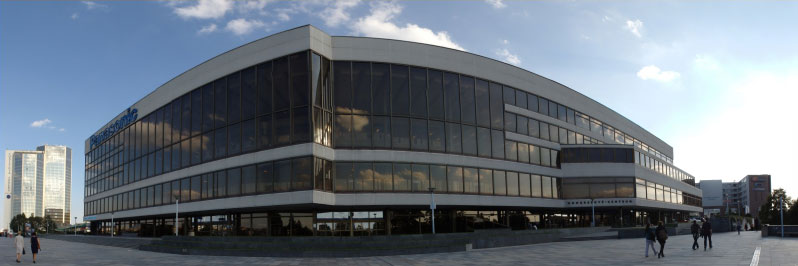
Prague Congress Centre (KCP)
5.května 65140 21 Prague 4
Czech Republic
Phone: +420 261 171 111
Website: www.kcp.cz