





Better Norms for Aging Minds in Central Europe
Updating Normative Data for Older Adults in Central Europe is essential for accurate neuropsychological assessment. As populations age, clinicians need reference scores that reflect current education levels, language backgrounds, health patterns, and cultural experience rather than relying on outdated samples.
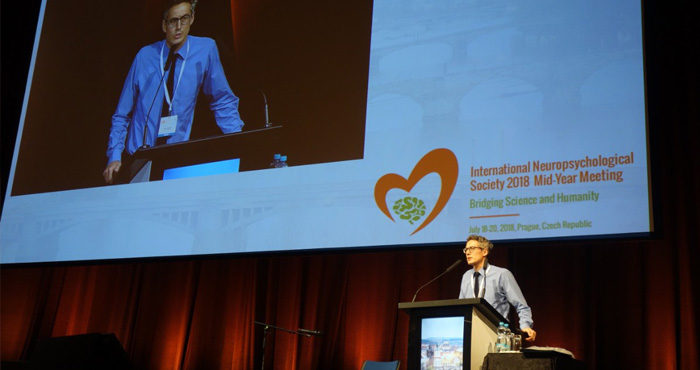
The subject also fits the central purpose of the INS 2018 meeting in Prague: connecting scientific progress with humane patient care. Neuropsychological tests are most useful when their results support fair, culturally aware decisions for people living with memory loss, stroke, Parkinson’s disease, and other neurological conditions.
Central European countries share historical and geographical links, yet they differ in language, schooling systems, migration patterns, and access to healthcare. A strong normative framework must recognize these similarities while avoiding the assumption that one regional average can represent every older adult.
Why Existing Reference Scores Need Review
Many commonly used norms for older adults were collected decades ago. Since then, educational attainment, occupational demands, technology use, nutrition, and life expectancy have changed. A score that once indicated unusually strong performance may now be typical for a similar age and education group.
Older datasets may also underrepresent people from rural areas, minority language communities, or those with limited formal schooling. Small sample sizes make it difficult to distinguish normal age-related variation from signs of neurological disease. Regularly refreshed normative data can reduce these errors.
Central Europe Requires Cultural Precision
Central Europe is linguistically diverse, with Czech, Slovak, Polish, Hungarian, German, Slovenian, and other language communities. Verbal fluency, naming, reading, and memory tasks can be influenced by vocabulary frequency, grammatical structure, bilingualism, and local cultural knowledge.
Cross-cultural validation should therefore examine whether a test measures the same underlying ability in different populations. Translation alone is insufficient. Researchers need to assess measurement invariance, adapt instructions carefully, and document how dialect, literacy, and language dominance affect results.
Building Stronger Older-Adult Samples
A reliable normative sample should include sufficient numbers of adults across age bands, education levels, gender identities, and geographic settings. Researchers should also record factors such as cardiovascular risk, sensory impairment, depression, sleep quality, medication use, and previous neurological illness.
Recruitment through hospitals alone can produce biased norms because volunteers from clinical settings may differ from healthy community residents. Community centers, primary-care networks, universities, and senior organizations can help create broader samples. Longitudinal follow-up adds value by showing how scores change within individuals over time.
| Normative feature | Why it matters for clinical interpretation | Recommended approach |
|---|---|---|
| Age range | Cognitive performance can change substantially across later adulthood | Use narrower age bands or flexible age-adjusted models |
| Education and literacy | Schooling affects test familiarity and problem-solving strategies | Collect detailed educational histories |
| Language background | Bilingualism and translation can influence verbal scores | Record language exposure and validate each version |
| Region and residence | Urban and rural environments may provide different opportunities | Recruit across cities, towns, and rural communities |
| Health status | Vascular, sensory, and psychiatric factors can alter performance | Screen and report relevant health variables |
| Technology experience | Digital familiarity may affect computerized tasks | Offer equivalent formats and document prior use |
Improving Statistical Models
Traditional norms often convert raw scores into percentiles using age and education corrections. These methods remain useful, but regression-based norms can provide more precise estimates. They can model non-linear age effects, interactions between predictors, and differences in score variability.
Researchers should report confidence intervals, base rates, and reliable change values rather than treating a single cutoff as definitive. A low score becomes more meaningful when it is rare in a comparable reference group and consistent with reported decline, functional difficulties, neurological findings, or informant concerns.
Connecting Norms With Clinical Care
Normative scores should guide clinical reasoning, not replace it. An older adult who performs below an expected level may be experiencing hearing loss, fatigue, anxiety, limited test comprehension, or unfamiliarity with the assessment language. Clinicians must consider these factors before assigning diagnostic significance.
Humane interpretation also means explaining results in accessible language. Patients and families benefit when professionals describe areas of strength, everyday implications, and possible next steps instead of presenting scores without context. This approach reflects the broader neuropsychological goal of combining scientific rigor with respect for individual experience.
Practical Priorities For Researchers And Clinicians
The following actions can make regional normative projects more useful and sustainable:
- Coordinate multicenter studies using shared recruitment and testing protocols.
- Include older adults with varied education, languages, income levels, and living environments.
- Publish transparent sampling procedures, exclusion criteria, and missing-data methods.
- Validate paper, computerized, and translated versions against the same standards.
- Create accessible databases that allow responsible updates as populations change.
Normative research should also be reproducible. Open documentation, harmonized variable definitions, and clear reporting of subgroup performance allow clinicians to judge whether a dataset fits a particular patient. Partnerships across universities, hospitals, and professional societies can reduce duplicated effort while improving regional coverage.
The INS 2018 legacy offers a useful framework for this work: bring neuroscience, clinical practice, cultural awareness, and patient-centered care into the same conversation. Updating age-adjusted neuropsychological norms is more than a statistical exercise; it is a way to make assessment fairer for the people who depend on it.
Researchers and clinical teams can begin by auditing the reference data currently used in their services, identifying underrepresented groups, and supporting collaborative Central European validation projects. Better evidence will lead to clearer diagnoses, more appropriate care plans, and more trustworthy support for healthy aging.
General Information
Important information about the meetingIndustry
Support and exhibition opportunitiesCzech Republic
Beautiful country situated in the very heart of EuropeContact
How can we help you?
Prague Congress Centre (KCP)
5.května 65140 21 Prague 4
Czech Republic
Phone: +420 261 171 111
Website: www.kcp.cz