



Detecting subtle cognitive change before Alzheimer’s disease
Assessment of subtle cognitive decline in preclinical Alzheimer’s disease requires more than asking whether someone feels forgetful. The earliest changes may involve learning efficiency, word retrieval, attention or navigation while everyday independence remains intact. Sensitive neuropsychological assessment can identify patterns that deserve monitoring without turning ordinary ageing into a diagnosis. Learn more about 筋組織の再生能力と加齢による変化.
For Australian clinicians, the task is especially relevant across varied settings, from metropolitan memory clinics to regional GP practices and Aboriginal and Torres Strait Islander health services. Good assessment combines validated measures, a careful history and culturally safe communication, with clear explanations for patients and families.
Why early cognitive change is difficult to detect
Normal ageing can include slower recall, occasional difficulty finding a name and reliance on calendars or phone reminders. Pathological decline tends to be more persistent, progresses over time and interferes with learning new information. A useful discussion of normal memory changes can help clinicians explain this distinction without causing unnecessary alarm.
Preclinical Alzheimer’s disease refers to biological evidence of the disease before clear functional impairment or dementia. A person may perform well in conversation and manage finances, driving or medication while showing measurable weakness in episodic memory. That gap between test results and daily independence makes interpretation particularly important.
What a sensitive assessment should measure
Brief cognitive screeners are useful entry points, but they may miss mild inefficiencies in highly educated people or individuals who have developed strong compensatory strategies. A fuller battery can examine delayed verbal and visual memory, recognition, executive function, processing speed, language and visuospatial ability.
The pattern of scores often matters more than a single low result. Rapid forgetting, limited benefit from recognition cues or a gradual reduction in learning across trials may be more concerning than occasional retrieval difficulty. Clinicians should also consider sleep, depression, anxiety, hearing, vision, medications and vascular risk factors before attributing every weakness to neurodegeneration.
Establishing a reliable personal baseline
A baseline should reflect the person’s education, occupation, language history and previous abilities. Someone who worked as an accountant may notice small calculation changes, while a professional driver may first report navigation errors. Collateral information from a partner, adult child or trusted support person can reveal changes that the patient has normalised.
Repeated testing needs a thoughtful interval and alternate forms where available. Practice effects can make scores appear stable even when real-world performance is slipping, while fatigue can depress a one-off result. Recording qualitative observations—such as repeated instructions, confabulated details or unusually slow strategy use—adds clinical value.
Interpreting memory within the whole person
Memory performance is shaped by hearing, sleep quality, mood and physical health. Obstructive sleep apnoea is particularly relevant in Australia, where a patient may present to a GP with daytime tiredness and concentration problems rather than a direct memory complaint. Reviewing alcohol use, anticholinergic medicines, thyroid function and B12 status can prevent premature conclusions.
Ageing affects many body systems, and physical changes may influence cognitive testing through reduced stamina or slower movement. Research on muscle ageing evidence is a reminder that cognition should be considered alongside mobility, frailty and overall biological ageing. A person who is unwell or recovering from surgery may need reassessment after their health stabilises.
Cultural and local Australian considerations
Assessment must be culturally and linguistically appropriate. English may be a second, third or fourth language, and some standard items depend on schooling, familiarity with test conventions or urban experiences. Aboriginal and Torres Strait Islander patients may benefit from culturally safe services, interpreters, community consultation and clinicians who understand local concepts of wellbeing and family involvement.
Access also varies sharply from Sydney or Melbourne to remote communities in the Northern Territory, regional Queensland and Western Australia. Telehealth can support specialist input, but it cannot replace attention to internet reliability, privacy, hearing technology and the availability of a local support person. A straightforward, respectful explanation—“Let’s get a baseline and keep an eye on the pattern”—often works better than alarming jargon.
Practical signs worth tracking
A structured history can turn vague concerns into observable information. Ask when the change began, whether it is worsening and which situations expose it. In Australia, examples may include missing a regular appointment, losing the thread of a conversation at a family barbecue or becoming confused on a familiar trip to the shops.
Useful areas to record include:
- Repeating questions or stories within the same day
- Difficulty learning new technology, routines or transport routes
- Increasing reliance on family for bills, medicines or appointments
- Reduced ability to follow recipes, workplace procedures or conversations
Functional change should be interpreted against the person’s usual responsibilities. A retired person may have fewer opportunities to demonstrate decline than someone still working or caring for grandchildren, so collateral history becomes even more valuable.
From assessment results to practical care
Results should be communicated as a trajectory rather than a verdict. Explain which abilities are strong, where inefficiency appears and what could be contributing. If Alzheimer’s biomarkers or specialist investigations are being considered, discuss their purpose, uncertainty, costs and possible emotional effects.
A practical management plan may include:
- Treating sleep, mood, hearing and cardiovascular risk factors
- Scheduling repeat cognitive assessment with a consistent provider
- Creating medication, finance and driving supports when needed
- Sharing written information with the patient’s nominated family member
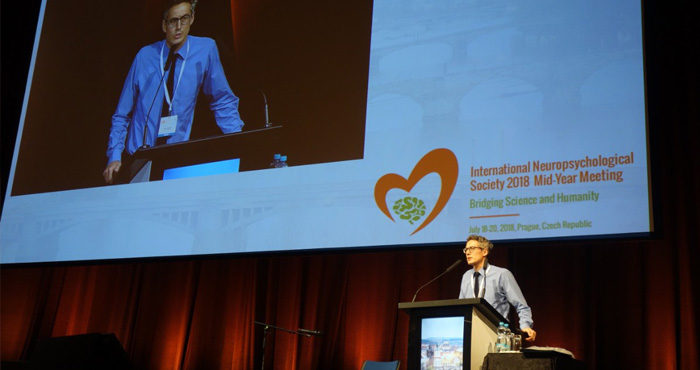
The former Prague meeting’s accommodation information reflects how clinical education connects with practical planning: neuropsychology is most useful when scientific advances can be carried into accessible, humane care. For Australian services, that means coordinating GPs, neuropsychologists, geriatricians, allied health professionals and families around a clear, culturally respectful plan.
General Information
Important information about the meetingIndustry
Support and exhibition opportunitiesCzech Republic
Beautiful country situated in the very heart of EuropeContact
How can we help you?
Prague Congress Centre (KCP)
5.května 65140 21 Prague 4
Czech Republic
Phone: +420 261 171 111
Website: www.kcp.cz