






How Stress and Cortisol Shape Memory Performance
Delegates at the INS 2018 mid-year meeting in Prague explored many clinical questions, with the hormonal dimensions of cognition drawing strong interest from researchers arriving from Melbourne, Sydney, and Brisbane. Their conversations repeatedly returned to a single theme: how does the body's stress chemistry shape what we remember and forget?
Cortisol, the primary glucocorticoid released through the hypothalamic-pituitary-adrenal axis, plays a dual role. Brief surges sharpen attention and prioritise emotionally salient encoding. Prolonged elevation, however, disrupts hippocampal circuits that consolidate declarative learning, leaving a person alert yet cognitively fragmented.
Australians encounter particular pressures that shape these hormonal patterns. FIFO rosters in Western Australia, lengthy commutes across Sydney's outer suburbs, hospital shifts in Melbourne, and the lingering aftermath of the Black Summer bushfires each leave distinct footprints on cortisol rhythms across the population.
Memory complaints remain a leading reason for neuropsychological referral in the country. Whether a patient in Brisbane presents with workplace-driven forgetfulness or a retiree in Hobart notices subtle cognitive slippage, the cortisol-memory dynamic often sits at the diagnostic core.
The biology of cortisol and memory formation
Cortisol receptors are densely concentrated in the hippocampus, amygdala, and prefrontal cortex. Brief hormonal elevations sharpen threat-related encoding through memory modulation, while sustained exposure suppresses long-term potentiation, reduces dendritic branching, and limits neurogenesis in the dentate gyrus.
The relationship is nonlinear. Moderate cortisol levels can enhance working memory, while extremes in either direction degrade it. This inverted-U pattern explains why some people perform brilliantly under deadlines while others falter.
Acute versus chronic stress patterns
Acute stress produces short-lived cortisol spikes that fade within hours. A surgeon in a Perth operating theatre, a tradie on a Carlton scaffold, or a paramedic on a Brisbane motorway all rely on these adaptive surges.
Chronic stress produces flattened diurnal curves, fragmented sleep, and impaired consolidation. Australian Bureau of Statistics data suggests roughly one in four workers report high job strain, often shaped by the Fair Work framework. Persistent strain elevates the risk of mood disturbance and subtle memory deficits often described as brain fog.
Many delegates arriving in Prague follow efficient Prague transport tips to minimise travel-related cortisol spikes before sessions begin.
Cortisol rhythms in shift workers and FIFO roster
Australia's mining sector employs tens of thousands of fly-in fly-out workers travelling between Perth and remote Pilbara sites. Rotating schedules disrupt circadian cortisol secretion, producing flatter daily curves. Curtin University research indicates shift workers score lower on verbal recall tasks than day-shift peers.
Healthcare professionals, paramedics, hospitality staff, and emergency responders across Melbourne, Sydney, and Adelaide experience comparable disruption. Night-shift nurses show altered glucocorticoid patterns linked with self-reported forgetfulness, slower reaction times, and increased workplace incidents, findings that have drawn attention from WorkSafe authorities.
Memory outcomes across stress conditions
| Condition | Cortisol pattern | Hippocampal impact | Memory outcome |
|---|---|---|---|
| Acute stress | Brief spike, rapid recovery | Temporary modulation | Enhanced encoding of salient events |
| Chronic stress | Sustained elevation, blunted rhythm | Dendritic atrophy | Impaired consolidation, retrieval errors |
| Shift work | Misaligned peak and trough | Circadian desynchronisation | Reduced verbal recall, slowed reaction |
| Age-related change | Elevated baseline, slow recovery | Cumulative glucocorticoid load | Greater vulnerability to interference |
This comparison illustrates why clinicians differentiate between acute, chronic, occupational, and age-related stress when interpreting memory complaints.
Age, hormones, and cognitive resilience
Ageing interacts with stress physiology in measurable ways. Older adults often show elevated baseline cortisol and delayed recovery. In Australia, where roughly sixteen percent of the population is aged sixty-five or over, this dynamic carries clinical weight for dementia screening and differential diagnosis.
Menopausal transitions amplify cortisol reactivity in some women. Australian general practitioners, operating under AHPRA guidelines, increasingly recognise midlife cognitive complaints that reflect the combined load of oestrogen decline, sleep disruption, and chronic glucocorticoid exposure.
Workplace frameworks supporting cognitive recovery
The model Work Health and Safety Act, adopted across most Australian states, obligates employers to address psychosocial hazards. Formal assessment of excessive workload, poor managerial support, and limited job control is now required, all established drivers of cortisol elevation.
Employee Assistance Programs, standard in many large Australian organisations, provide counselling that indirectly shields memory by reducing chronic HPA loading. These frameworks acknowledge that cognitive wellbeing is inseparable from thoughtful occupational design.
Practical strategies for cognitive resilience
Reviewing conference accommodation options ahead of travel allows delegates to plan for restorative sleep, a cornerstone of memory consolidation. The following habits further support healthy cortisol regulation:
- Maintain consistent sleep and wake times, including weekends, to preserve the diurnal cortisol curve.
- Take brief walking breaks during long shifts; a ten-minute stroll through a Brisbane park lowers afternoon cortisol.
- Practise paced breathing or short mindfulness before high-stakes tasks such as exams or presentations.
- Limit evening screen exposure after night shifts to protect hippocampal function.
- Schedule recovery days after FIFO rotations, allowing the HPA axis to reset gradually.
- Seek professional support through an Employee Assistance Program when workplace strain persists for more than a few weeks.
- Stay socially engaged, as positive relationships buffer cortisol reactivity and support memory consolidation.
Acknowledging the role of stress hormones opens pathways to memory protection that complement pharmacology, rehabilitation, and the broader care discussed at the Prague gathering.
General Information
Important information about the meetingIndustry
Support and exhibition opportunitiesCzech Republic
Beautiful country situated in the very heart of EuropeContact
How can we help you?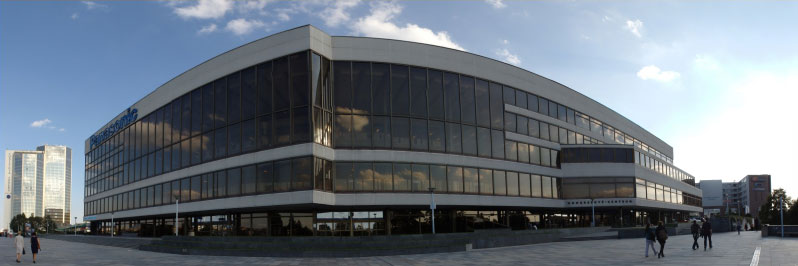
Prague Congress Centre (KCP)
5.května 65140 21 Prague 4
Czech Republic
Phone: +420 261 171 111
Website: www.kcp.cz