





Public transport tips for getting around Prague
Prague’s compact historic center makes it easy to combine walking with an efficient public transport network. Trams, metro trains, buses, and suburban rail services connect the Old Town with neighborhoods beyond the central attractions, while integrated tickets make transfers straightforward.
For visitors attending the INS 2018 mid-year meeting, transport planning was part of making the conference experience comfortable and reliable. The event brought together research, neuroscience, clinical practice, and humane patient care, a clinical perspective that also encouraged attention to practical details affecting visitors.
The city’s system can seem unfamiliar at first, particularly when ticket machines, tram stops, and station names use Czech spelling. A few basic habits make journeys easier and reduce the risk of missed connections or invalid tickets.
Understand the main transport options
The Prague metro is the quickest choice for longer cross-city journeys. Lines A, B, and C serve major interchanges, with central stations such as Můstek, Muzeum, and Florenc providing useful transfer points. Metro trains run frequently during the day, although some stations involve long escalators or substantial walking between platforms.
Trams are often better for central neighborhoods because they remain above ground and stop close to destinations. Routes 22 and 23 pass many popular landmarks, but regular local trams can be just as useful for reaching residential districts, conference venues, and hotels. Buses fill gaps in areas not covered by the metro or tram network.
Choose the right airport connection
Prague Airport is outside the city center and has no metro station directly on site. Bus 119 traditionally connects the airport with Nádraží Veleslavín, where passengers can transfer to metro line A. Bus 100 links the airport with Zličín on metro line B and may be convenient for destinations in western Prague.
The Airport Express provides a separate connection toward Prague’s main railway station, but it uses different fare arrangements from ordinary city services. A taxi or app-based ride can be useful when carrying heavy luggage, arriving late, or traveling with several people, though the price should be agreed or displayed clearly before departure.
Check current airport routes before traveling because construction, seasonal schedules, and operating changes can affect connections. The INS 2018 website also preserves the meeting’s original venue and travel information for visitors researching the 2018 event.
Buy and validate tickets carefully
Prague uses a time-based fare system, so one ticket can cover transfers between metro, tram, and bus services during its valid period. Short, standard, and longer-duration tickets are available, making a multi-day pass practical for visitors who expect to travel several times each day.
Paper tickets usually need to be stamped once at the beginning of the journey. Metro users should validate before entering the paid area, while tram and bus passengers should use the machine immediately after boarding. Do not stamp the same ticket twice, since a second validation can make the time mark confusing or invalidate it.
| Travel need | Usually useful option | Helpful detail |
|---|---|---|
| Airport to central Prague | Bus and metro connection | Allow time for a transfer and luggage |
| Short central trip | Tram or walking | Stops are frequent and scenic |
| Cross-city journey | Metro | Avoids street traffic |
| Late-night travel | Night tram or bus | Check the current route map |
| Several rides in one day | Time-based pass | Validate a paper ticket once |
Read signs and plan transfers
Station and stop names can look different from English place names, so save the exact Czech destination before leaving your hotel. For example, Prague’s main railway station is “Praha hlavní nádraží,” while the central bus station is commonly identified as “Florenc.” Screens and announcements may include both visual information and limited English.
Use a route planner to check the entire journey rather than relying on a single line. A tram may appear direct but become slow in traffic, while a metro route may require a longer walk at the destination. Allow extra time around large stations, where exits can lead onto different streets.
Travel safely during the meeting
Keep tickets accessible until leaving the system. Inspectors conduct checks on public transport, and an unvalidated or expired ticket can result in a substantial penalty. Store valuables securely in crowded trams, metro cars, and busy interchange stations, especially near major sightseeing areas.
Conference attendees carrying posters, folders, or equipment should avoid the busiest rush-hour periods when possible. Board through a wider door, keep bags out of aisles, and give priority seating to passengers who need it. These small courtesies are particularly important on crowded trams and older vehicles.
Make walking part of the route
Many central journeys are faster or more enjoyable on foot. The Old Town, Charles Bridge, Wenceslas Square, and parts of Malá Strana are close enough to connect without transport, although cobblestones and uneven pavements can make comfortable shoes essential.
Walking also helps visitors understand Prague’s layout. Consider taking public transport to a distant neighborhood and returning through the center on foot, rather than using vehicles for every short journey. In summer, leave time for shade, water, and rest, especially during a full conference schedule.
Useful habits for a smoother journey
- Download or save a current Prague transit map before leaving reliable internet access.
- Carry small Czech koruna notes or use an approved ticket machine payment method.
- Confirm whether a route is running normally when traveling late at night.
- Keep the venue address, hotel address, and nearest stop written in Czech.
- Allow extra time for airport transfers, station changes, and unfamiliar exits.
Prague’s integrated transport network rewards simple preparation: identify the right line, validate the correct ticket, and leave a little margin for walking. For anyone revisiting the INS 2018 meeting or exploring the city through its academic and cultural history, these habits make it easier to arrive on time and enjoy the journey between sessions. Save the route details, check the latest service information, and set out with confidence.
General Information
Important information about the meetingIndustry
Support and exhibition opportunitiesCzech Republic
Beautiful country situated in the very heart of EuropeContact
How can we help you?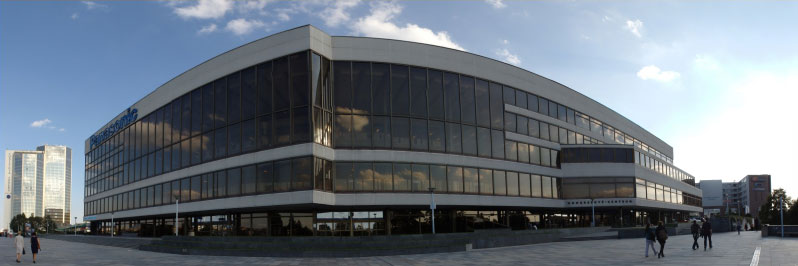
Prague Congress Centre (KCP)
5.května 65140 21 Prague 4
Czech Republic
Phone: +420 261 171 111
Website: www.kcp.cz