



Psychosocial adjustment after anterior temporal lobectomy
For people living with drug-resistant temporal lobe epilepsy, anterior temporal lobectomy offers the hope of seizure freedom, but the months and years that follow surgery bring a psychosocial terrain that is every bit as complex as the neurosurgical one. Australian clinicians working through public epilepsy programs at hospitals such as Austin Health in Melbourne or the Royal Prince Alfred in Sydney routinely meet patients who expected a clean transition and instead find themselves navigating grief, relief, anxiety and reinvention at once.
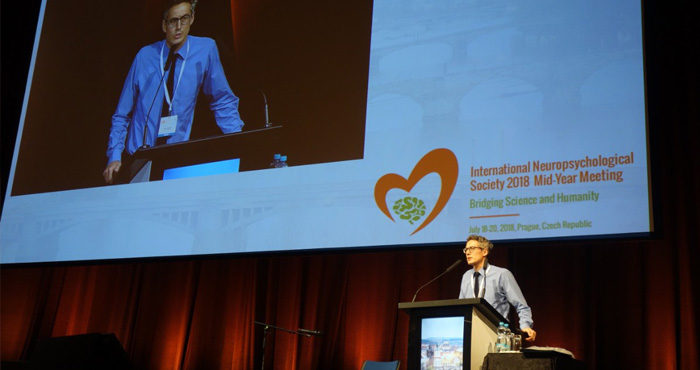
Reviews of long-term outcomes suggest that about sixty to seventy per cent of patients achieve meaningful seizure control after surgery, yet quality-of-life gains can lag behind clinical indicators by years. That lag is the focus of this article, drawing on themes presented at the INS 2018 mid-year meeting in Prague and on practices that have become standard in Australian neuropsychology clinics.
The emotional landscape before and after surgery
Pre-operative mood disturbance is one of the strongest predictors of post-operative adjustment. Many Australian candidates come into multidisciplinary meetings already carrying years of accumulated anxiety, depressive symptoms or trauma linked to unpredictable seizures, including public seizures on trams, in supermarkets or at the footy. When the surgery succeeds, those long-standing fears do not automatically dissolve.
Patients often describe a strange liminal period in the first six to twelve months, sometimes called the "adjustment window", when the practical risks of seizures fall away but the emotional reflexes built up over a decade or more remain. Sleep disturbance, irritability and low mood may intensify before they ease. Routine screening with measures such as the PHQ-9 and GAD-7, repeated through the first post-operative year, helps clinicians separate normal recalibration from clinical depression that warrants referral through a GP and the Better Access initiative.
Cognitive and identity shifts
Anterior temporal lobectomy carries well-documented risks to verbal memory and naming, particularly when the dominant hemisphere is involved. Patients do not experience these changes as abstract neuropsychological scores; they experience them as trouble recalling a grandchild's birthday, losing the thread of a yarn at morning tea, or finding a once-loved hobby suddenly effortful. Australian speech pathologists embedded in epilepsy teams often work alongside neuropsychologists to map these changes against personally meaningful activities, which is more sensitive than reliance on raw test scores alone.
Identity work can be even more demanding. When seizures have defined a person's adolescence or working life, shedding them leaves a vacuum. Some patients, especially younger adults in regional centres of New South Wales or Western Australia, speak about needing to "re-learn" themselves without the constant vigilance that epilepsy once demanded. Common self-reported shifts include:
- A sense of lost familiarity with previously automatic tasks, from driving routes to reading for pleasure.
- Lingering hypervigilance, such as scanning public spaces for exit points or checking for auras long after seizure risk has fallen.
- Mixed feelings about shedding the "sick role", especially when disability supports had provided structure and meaning.
Group programs facilitated by the Epilepsy Foundation Australia, including peer-led workshops in capital cities and via Telehealth, have proven helpful for many.
Family and relational dimensions
Spouses, partners and parents frequently report feeling a mixture of relief and loss at once. Family members have usually adapted to a high-monitoring role, helping with medication, sleep schedules and transport during driving restrictions. After surgery they must relinquish these routines without clear permission to do so. In Australian couples this can surface as conflict over driving resumption, since licence re-issuance is handled state by state through the relevant Driver Licensing Authority and conditions vary.
Clear, repeated psycho-education is essential. Families benefit from knowing that mood swings, fatigue and transient cognitive blunting in the early months are common and usually improve. When the household includes members from different cultural or linguistic backgrounds, clinicians can find practical support in a recent guide for family discussions, which highlights techniques for working with interpreters and acknowledging differing explanatory models of illness.
Returning to work, study and community life
Vocational reintegration is a tangible marker of recovery and a frequent source of stress. Under the Australian National Disability Insurance Scheme, some patients with persistent cognitive difficulties can access funded supports for workplace adjustments, while others negotiate return-to-work plans with employers and treating GPs. Drivers who needed to surrender their licence often feel the loss acutely in cities built around the car, where public transport on a Sunday arvo can be patchy in outer suburbs.
Education re-entry is equally important for younger patients. Universities in Australia typically require documentation of any condition that may affect exam conditions, so neuropsychologists are often asked to provide formal summaries. Reasonable adjustments such as extra time or scheduled rest breaks can make the difference between completing a degree and withdrawing.
Supporting long-term adjustment in Australian practice
Neuropsychologists involved in post-ATL care have shifted from a one-off pre- and post-operative testing model toward continuous, stepped-care follow-up. Three practical habits support this in Australian settings:
- Routine mood and anxiety screening at three, six and twelve months post-surgery, embedded in a shared-care plan with the GP.
- Inclusion of a family member or close friend in at least one follow-up consultation, with consent and cultural sensitivity.
- Warm referral pathways to peer-support organisations such as the Epilepsy Foundation Australia and to culturally specific community groups.
A fourth habit is increasingly recommended: documenting the patient's own recovery goals in plain language at the start, so that clinical impressions and personal priorities remain aligned. When the surgical scar has long healed, the work of rebuilding a life continues, and that work deserves the same rigour and the same patience that the operating theatre received.
General Information
Important information about the meetingIndustry
Support and exhibition opportunitiesCzech Republic
Beautiful country situated in the very heart of EuropeContact
How can we help you?
Prague Congress Centre (KCP)
5.května 65140 21 Prague 4
Czech Republic
Phone: +420 261 171 111
Website: www.kcp.cz