



Discussing Neuropsychological Findings Across Cultures
Neuropsychological results can influence a family’s understanding of memory, attention, learning, behaviour and future care. The discussion becomes more meaningful when clinicians explain what the assessment measures, how the findings relate to daily life, and where culture may shape performance.
Families bring different languages, health beliefs, educational experiences and expectations of disability. A score that appears concerning in a report may reflect unfamiliar test instructions, limited formal schooling, bilingual processing or anxiety in an unfamiliar clinical setting.
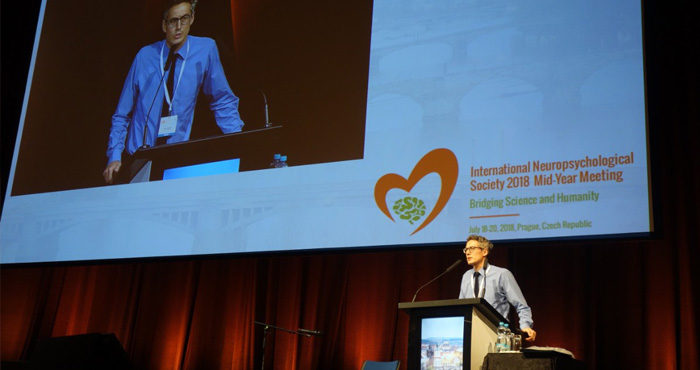
The 2018 International Neuropsychological Society meeting in Prague placed scientific progress alongside humane clinical practice and cultural awareness. Its INS 2018 meeting site remains a useful reference point for the event’s programme, workshops and focus on connecting research with patient care.
Prepare Before Sharing Results
Review the person’s language history, migration experience, schooling, occupation and preferred decision-makers before the feedback appointment. Ask who should attend and whether the family wants an accredited interpreter, rather than assuming that an adult child can translate sensitive clinical information.
In Australia, this preparation may involve an Aboriginal Liaison Officer, a multicultural health worker or an interpreter booked through a hospital service. In some communities, the family may use terms such as “mob” to describe kinship and community connections; clinicians should follow the person’s own language and avoid treating cultural identity as a diagnostic feature.
Explain Scores In Plain Language
Start with the purpose of the assessment and describe the broad pattern before discussing individual scores. “Your performance suggests that recalling a list after a delay is harder than holding information in mind for a few seconds” is more useful than leading with a percentile or diagnostic label.
Use concrete examples from home, work and community settings. A family may recognise the finding through missed appointments, difficulty following a recipe or losing track during a conversation. Check understanding regularly and invite the person to explain the message in their own words.
Separate Difference From Disorder
Cultural and linguistic factors can affect test validity. A person educated in another school system may be unfamiliar with timed tasks, abstract questioning or particular pictures. Bilingual speakers may retrieve a word more quickly in one language than another, especially when the assessment language is not their strongest language.
Explain that a test result is one part of a clinical formulation. Consider developmental history, medical conditions, mood, sleep, hearing, vision and everyday functioning before presenting a firm interpretation. When normative data do not represent the person’s background, state that limitation clearly rather than giving a false impression of precision.
Work Effectively With Interpreters
Use a trained interpreter for complex feedback, and speak directly to the patient rather than to the interpreter. Short sentences, plain terms and pauses make interpretation more accurate. Avoid idioms such as “your memory has gone downhill”, which may be confusing or unnecessarily alarming.
| Communication issue | More useful approach |
|---|---|
| Technical score language | Explain the practical meaning first |
| Family member interpreting | Offer a qualified interpreter |
| Different views of illness | Ask what the results mean to the family |
| Sensitive recommendations | Confirm privacy and consent |
| Limited health literacy | Use examples, drawings and a written summary |
In regional Australia, interpreter access may require telehealth or advance booking, while metropolitan services may offer face-to-face support. Document the interpreter’s details, the language used and any communication barriers so that future clinicians can provide consistent care.
Respect Family And Community Roles
Some families expect collective decision-making, while others prefer the patient to receive information privately. Ask about this directly and follow consent requirements. Family involvement can support treatment planning, though it should not override the adult patient’s autonomy or confidentiality.
For Aboriginal and Torres Strait Islander patients, culturally safe care includes time to build trust and attention to community, connection to Country and previous experiences with institutions. A strengths-based discussion can acknowledge cultural knowledge, relationships and practical skills alongside areas where support is needed.
Link Findings To Daily Support
Recommendations should be specific, affordable and realistic. Instead of saying “use compensatory strategies”, suggest a phone reminder, a medication blister pack, a written routine near the kettle or one instruction at a time. Discuss who will help establish the strategy and how success will be monitored.
Australian families may need to navigate public hospital services, private neuropsychology fees, the NDIS or aged-care pathways. Eligibility and funding rules vary, so distinguish clinical recommendations from guaranteed service access. A concise letter can help a general practitioner, school, occupational therapist or support coordinator act on the findings.
Discuss Uncertainty With Care
Neuropsychological assessment provides evidence, not a prediction of every future behaviour. Explain which conclusions are well supported, which are tentative and what further information may clarify the picture. This is especially important when results may relate to acquired brain injury, dementia, developmental conditions or complex mental health presentations.
Research into brain systems can deepen clinical understanding, as shown by work on brain network research. Yet families usually need the science translated into respectful, culturally relevant choices: what the findings mean today, what support may help, and how the person’s abilities and identity remain central to care.
General Information
Important information about the meetingIndustry
Support and exhibition opportunitiesCzech Republic
Beautiful country situated in the very heart of EuropeContact
How can we help you?
Prague Congress Centre (KCP)
5.května 65140 21 Prague 4
Czech Republic
Phone: +420 261 171 111
Website: www.kcp.cz